Questions Raised Over Faculty Records During 2025 NBA Assessment at K.K. Wagh Institute, Nashik
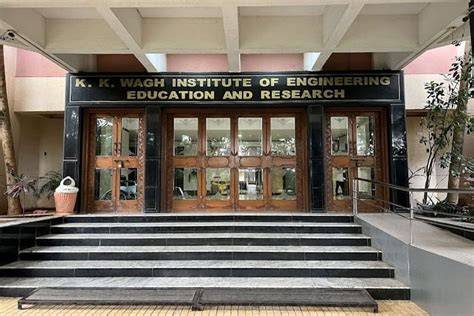
Nashik: Questions have been raised regarding the faculty records and availability of teaching staff associated with the Engineering programme at K. K. Wagh Institute of Engineering Education & Research, Nashik, during the National Board of Accreditation (NBA) assessment conducted in 2025.
The concern relates specifically to the historical faculty position during the period of the NBA Expert Team's visit. According to the representation submitted to the NBA, certain faculty members shown as part of the Engineering programme were reportedly on sanctioned leave or otherwise unavailable during the assessment period.
The representation does not seek to establish wrongdoing without verification. Instead, it requests the competent authorities to examine the original records and determine whether the faculty information presented during the assessment accurately reflected the actual position at that time.
Among the records requested for verification are the faculty list submitted in the 2025 Self-Assessment Report (SAR), appointment and joining records, relieving records, sanctioned leave records, biometric or attendance records for the actual dates of the NBA Expert Team's visit, teaching timetables, workload allocation and faculty-strength calculations.
A key issue raised in the representation is that the institute's current faculty list cannot by itself establish the historical faculty position during the 2025 NBA assessment. The representation therefore calls for comparison of the records applicable specifically to the assessment period.
The matter has been brought to the attention of the NBA, with a request for independent verification. The representation also proposes that, if necessary, the relevant records be examined through further investigation, spot verification or another appropriate mechanism available under the accreditation framework.
The complainant has emphasized that the purpose of the representation is verification rather than making a predetermined allegation against the institute or any individual faculty member.
If the relevant records establish that the faculty information submitted during the assessment was accurate and compliant, the matter can be closed accordingly. If a material discrepancy is established through documentary verification, the appropriate authorities may consider further action under the applicable rules and procedures.
The issue also raises a broader question concerning transparency in accreditation assessments: whether the faculty members represented as available to an academic programme during an accreditation visit were actually available to the programme at the time of that assessment, and whether the original attendance, leave and service records support the information submitted to the accreditation authority.
The matter remains subject to verification by the competent authorities. No conclusion regarding any individual or institution should be drawn until the relevant official records have been examined.