
The history of the "Plane Ghati" (meaning airfield or airport in local parlance, translated from the Bengali term Biman Ghati) in Jalpaiguri
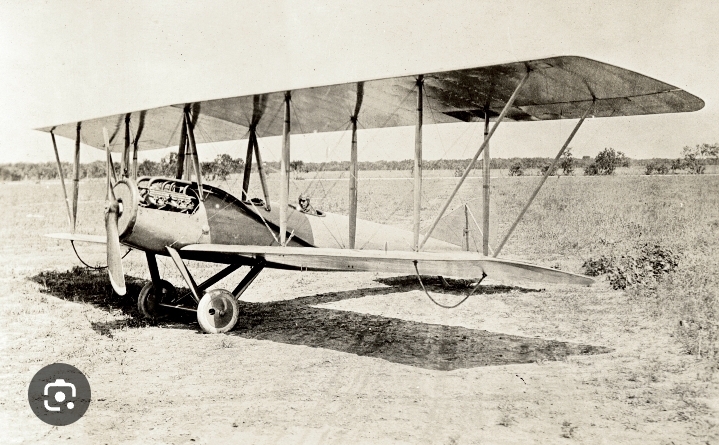
Jalpaiguri: The history of the "Plane Ghati" (meaning airfield or airport in local parlance, translated from the Bengali term Biman Ghati) in Jalpaiguri is associated with several airstrips that were operational during the World War II era and the mid-20th century. These airfields once served civilian, commercial and military purposes before gradually becoming inactive. In recent years, some of these locations have again attracted attention in the context of regional connectivity and strategic preparedness.
1. The Historical Airfields of Jalpaiguri
During the 1940s and 1950s, Jalpaiguri district had several airstrips that were used by civil aviation operators as well as military authorities.
Panga Airport (Jalpaiguri Sadar Block): Panga was among the prominent airfields in the region and was used for passenger and commercial transportation. Goods, including tea and tobacco, were also reportedly transported through the airfield.
Ambari Airfield: Constructed during the World War II period, the Ambari airstrip was used for military purposes and was associated with transportation, surveillance and logistical activities in eastern India.
Bhatpara Tea Estate Airfield: Established around 1955 in the Dooars region, this private airfield was used by Jamair Airlines until 1971. It supported the tea industry by facilitating the transportation of goods, factory equipment, film reels and emergency medical supplies to plantation areas.
2. Decline and Decades of Reduced Use
Following India's independence and changes in regional transportation, civil aviation gradually became concentrated around larger airports such as Bagdogra. As a result, several smaller airfields in Jalpaiguri lost their earlier commercial importance.
Over the following decades, some of these airstrips remained unused or received limited maintenance. Vegetation grew around the sites, while changes in surrounding land use also affected parts of the former airfield areas.
3. Recent Revitalization and Strategic Importance
Plans to revive or redevelop some of the old airstrips in North Bengal and adjoining regions have brought renewed attention to their potential utility. Their location is also considered strategically significant because Jalpaiguri is situated close to the Siliguri Corridor, a narrow land link connecting mainland India with the northeastern states.
The strategic importance of the region has increased amid developments in neighbouring areas and the need for improved logistical and emergency preparedness.
If upgraded and made operational, such airstrips could potentially support emergency aviation requirements, including the operation of helicopters, drones and light aircraft. The exact scope and operational use of individual airfields would depend on government decisions, infrastructure development and security requirements.