The Plastic Paradigm: Are Polymer Banknotes the Future of Indian Currency?
IN BRIEF
India relies heavily on cotton-rag paper notes that suffer rapid wear, costing thousands of crores annually to replace. With field trials proposed for lower-denomination notes like ₹10 and ₹20, polymer banknotes—made from biaxially oriented polypropylene (BOPP)—offer extended durability, enhanced security features, and lower long-term lifecycle costs.
1. The Challenge with Paper Currency
Indian currency notes are made from a 100% cotton-pulp blend. While soft and familiar to handle, paper notes face severe challenges in a tropical, high-humidity, high-circulation environment like India:
High Soiling Rate: Lower denominations like ₹10, ₹20, and ₹50 change hands frequently at street markets, transit points, and small businesses. They quickly accumulate sweat, dirt, and moisture, leading to tearing and severe degradation.
Frequent Destruction & Replacement: Under the RBI’s Clean Note Policy, tens of billions of soiled banknotes are withdrawn and destroyed every year.
Substantial Cost Burden: The Reserve Bank of India spends thousands of crores annually on printing, transporting, sorting, and shredding damaged notes.
2. What are Polymer Banknotes?
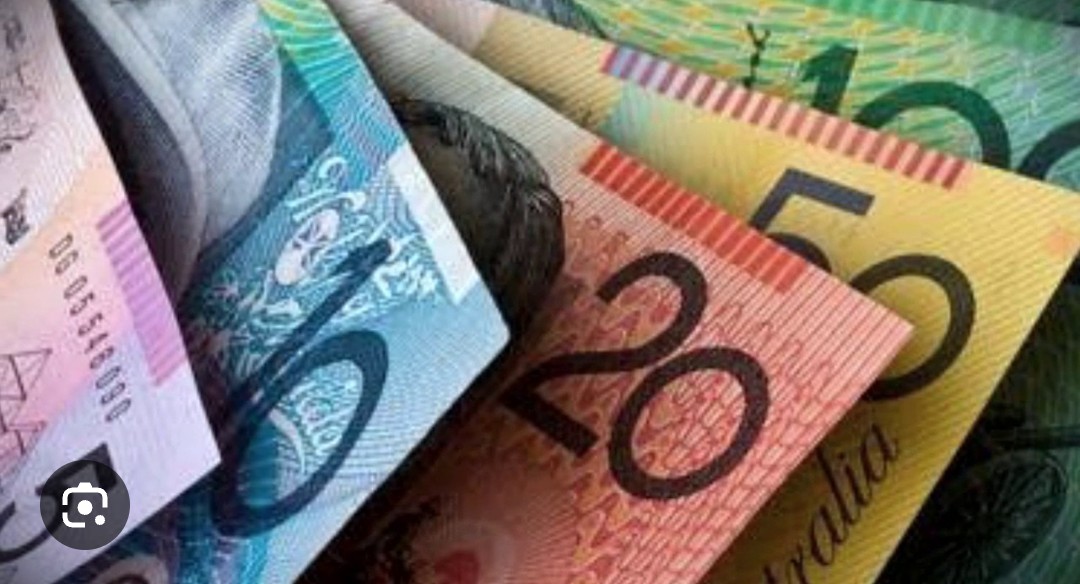
Polymer banknotes are printed on a substrate made from Biaxially Oriented Polypropylene (BOPP)—a specially engineered, non-porous flexible plastic.
First introduced for general circulation by Australia in 1988, polymer currency has since been adopted in over 60 countries, including the United Kingdom, Canada, Singapore, and New Zealand.
Paper vs. Polymer Currency
┌──────────────────────┬────────────────────────┬────────────────────────┐
│ Property │ Cotton-Paper Notes │ Polymer Substrate │
├──────────────────────┼────────────────────────┼────────────────────────┤
│ Lifespan │ ~1 to 2 Years │ ~4 to 7 Years │
│ Moisture / Water │ Absorbs; degrades fast │ Completely waterproof │
│ Surface Hygiene │ Accumulates dirt/germs │ Non-porous; easy clean │
│ Anti-Counterfeiting │ Watermarks, Threads │ Transparent Windows │
│ Upfront Print Cost │ Lower │ 30%–60% Higher │
└──────────────────────┴────────────────────────┴────────────────────────┘