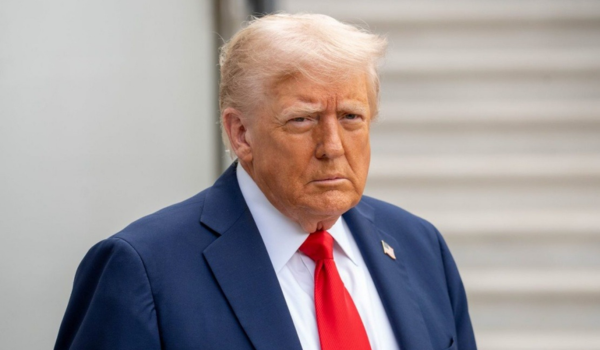
The Russian Oil Hypocrisy: Trump Punishes India for What America Now Accepts
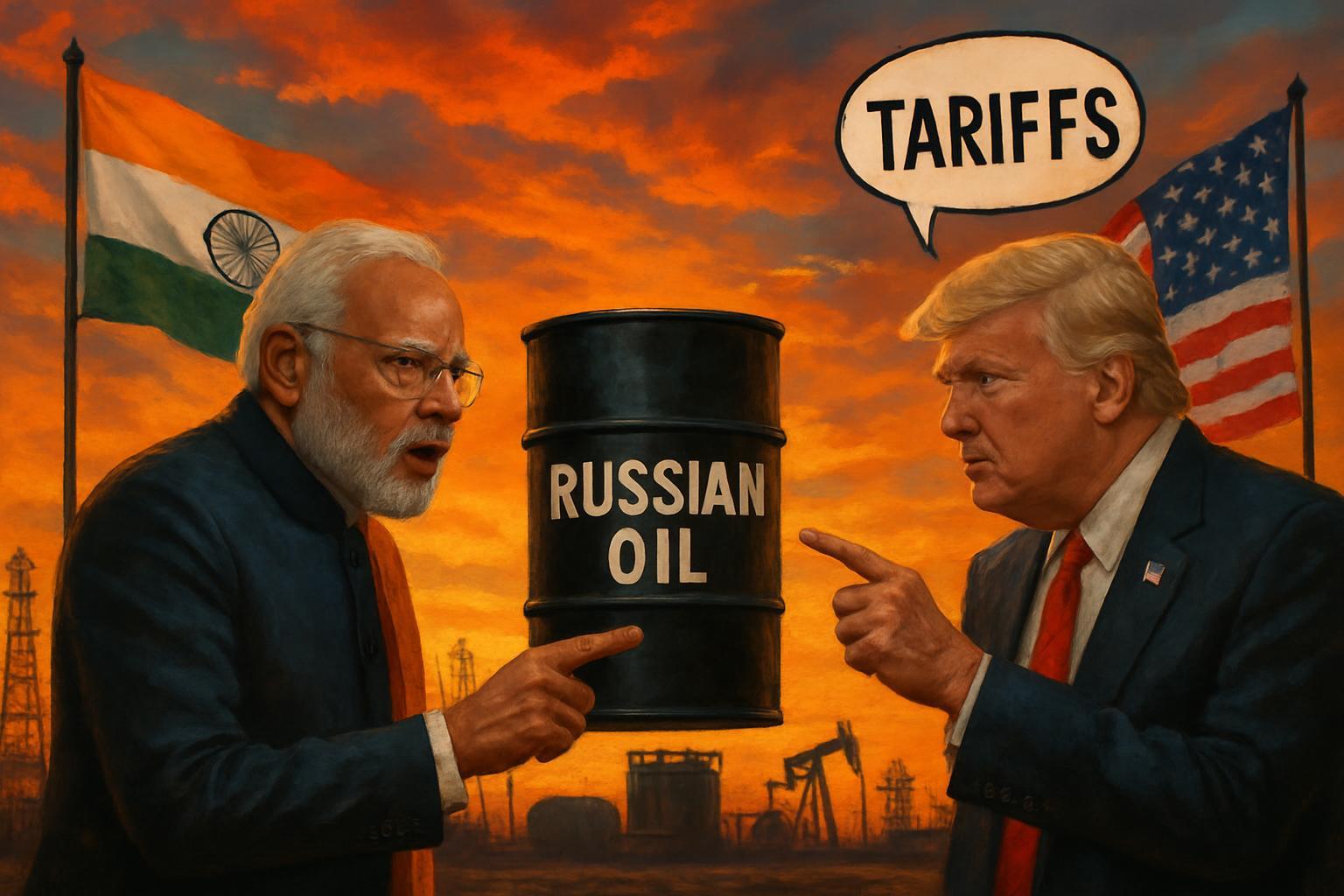
Russian Oil and US Policy: Questions over Tariffs, Sanctions and India’s Energy Interests
By Dr. Dheeraj Rangarajan | Opinion
The debate over Russian oil has raised questions about consistency in international energy policy. While the United States has previously criticised India’s purchases of Russian crude and linked them to economic measures, discussions about easing restrictions on Russian fuel supplies have highlighted the competing priorities of energy affordability, geopolitical pressure and national interests.
India’s Russian Oil Purchases and National Interest
Since Russia’s full-scale invasion of Ukraine in February 2022, India has increased its purchases of discounted Russian crude. As a country that relies heavily on imported oil, India must consider the impact of energy costs on transportation, manufacturing, agriculture and household budgets.
New Delhi has maintained that its energy procurement decisions should reflect national interests and domestic requirements. At the same time, continued purchases of Russian oil have geopolitical implications because energy revenues contribute to Russia’s economy during the ongoing war.
The United States has used trade measures and diplomatic pressure to discourage purchases of Russian energy. The precise details and current status of the relevant tariffs and policy changes should be established through official documents and reliable reporting before publication.
Energy Affordability and Sanctions
Debate over the possibility of easing restrictions on Russian fuel supplies illustrates the challenge governments face when energy prices rise. Affordable fuel is an important domestic concern, but measures that facilitate Russian energy exports may also raise questions about the objectives of sanctions imposed in response to the war in Ukraine.
Any reported arrangement involving Russian diesel supplies should be assessed using verified details, including the terms of the agreement, the destination of the fuel, the scope and duration of any sanctions relief, and its likely economic effects. An announcement alone does not establish that fuel was delivered or that prices subsequently declined.
Should the Same Principles Apply to Every Country?
There is an argument that governments may need to reconsider energy restrictions when domestic consumers face higher costs. However, the same economic considerations are relevant to India, where imported crude prices can affect businesses and households.
The central issue is not whether every country should buy Russian energy. It is whether governments explain their decisions consistently and acknowledge the trade-offs between energy affordability and the objective of limiting Russia’s revenue.
Sanctions can involve exceptions, but governments should explain why those exceptions are necessary, how long they will remain in place and what safeguards apply. Their effects should be assessed using evidence about energy prices, trade volumes and revenue rather than political claims alone.
Implications for India-US Relations
India maintains relationships with the United States, Russia, Europe and other energy-producing countries. Its energy policy reflects domestic demand as well as wider strategic considerations. New Delhi must weigh the economic advantages of competitively priced crude against the geopolitical consequences of continued energy trade with Moscow.
The United States also has to balance its security objectives with domestic economic priorities. If Washington changes its approach to Russian energy in response to market conditions, a clear explanation of the reasons and expected benefits would help clarify the policy.
Transparency and Policy Consistency
Governments may adapt their foreign policies as circumstances change. However, when they ask other countries to bear economic costs in pursuit of a shared security objective, they should explain how their own decisions align with that objective.
For India, the debate underscores the importance of defending energy decisions through transparent reasoning and an assessment of national interests. For the United States, it raises questions about how sanctions, trade measures and energy affordability can be reconciled.
The key question is whether the principles used to judge Russian energy purchases are applied consistently. Answering it requires verified information about the policies involved, their implementation and their actual consequences for energy markets and international security.