THE UNDERPASS OUTSIDE AIIMS

AIIMS Patient Families and the Need for a More Humane Healthcare System
Some newspaper reports inform us. Some disturb us. And occasionally, a report holds up a mirror so uncomfortable that we wish we could simply look away. A recent report on poor patients and their families living in and around underpasses, shelters and public spaces near AIIMS, Delhi, while waiting for treatment, has brought this difficult reality into focus.
These families often travel long distances because the specialised treatment they need is not available in their hometowns or nearby hospitals. For many, AIIMS represents an important source of hope. Among the cases reported was that of 15-year-old Tanvi from Kota, who had travelled to Delhi with a serious congenital heart condition. She died at AIIMS on September 1. Her case is deeply painful, but it also draws attention to the difficulties faced by families who remain in Delhi while waiting for treatment.
AIIMS is one of India's leading medical institutions, and its doctors, nurses and other healthcare personnel work under considerable pressure while dealing with a very large patient load. The issue, however, also raises a broader question about the availability of specialised healthcare across the country. When patients from cities and states across India have to travel to a few major institutions for advanced treatment, the challenge extends beyond the capacity of individual hospitals.
For poor families, the cost of treatment is often accompanied by the immediate expenses of accommodation, food and local transportation. A prolonged wait can therefore create additional financial and emotional pressure. For a family already dealing with a serious illness, finding a safe and dignified place to stay should not become another major challenge.
One possible step would be to develop dedicated patient-family accommodation near major government hospitals. Such facilities could include clean dormitories and family rooms, sanitation and bathing facilities, drinking water, affordable meals, basic assistance and convenient connectivity to the hospital. These facilities could complement medical services by helping families manage the practical difficulties associated with long-distance treatment.
The responsibility for such infrastructure need not rest entirely with the government. India's CSR ecosystem, philanthropic trusts, charitable organisations and other institutions could contribute through transparent and accountable partnerships. Properly designed facilities would provide practical support while preserving the dignity of patients and their families.
Technology could also help reduce unnecessary uncertainty. A coordinated patient-support system could provide information about appointments, investigations, referrals and treatment schedules. Such a system would not mean bypassing medical priorities. Instead, better coordination could help patients plan their journeys and reduce avoidable repeated travel.
At the same time, India needs to continue strengthening specialised and tertiary healthcare facilities across different states. Telemedicine, specialist training, referral networks and cooperation between major medical institutions could help expand access to advanced treatment closer to patients' homes. The objective should not be to make every patient travel to Delhi, but to make such travel necessary only when the required treatment genuinely cannot be provided elsewhere.
Expanding hospital capacity is also important. Additional beds, operating theatres, diagnostic facilities, nursing capacity, specialist manpower and associated medical infrastructure can help major institutions manage demand more effectively. This would benefit not only individual hospitals but also the wider healthcare system.
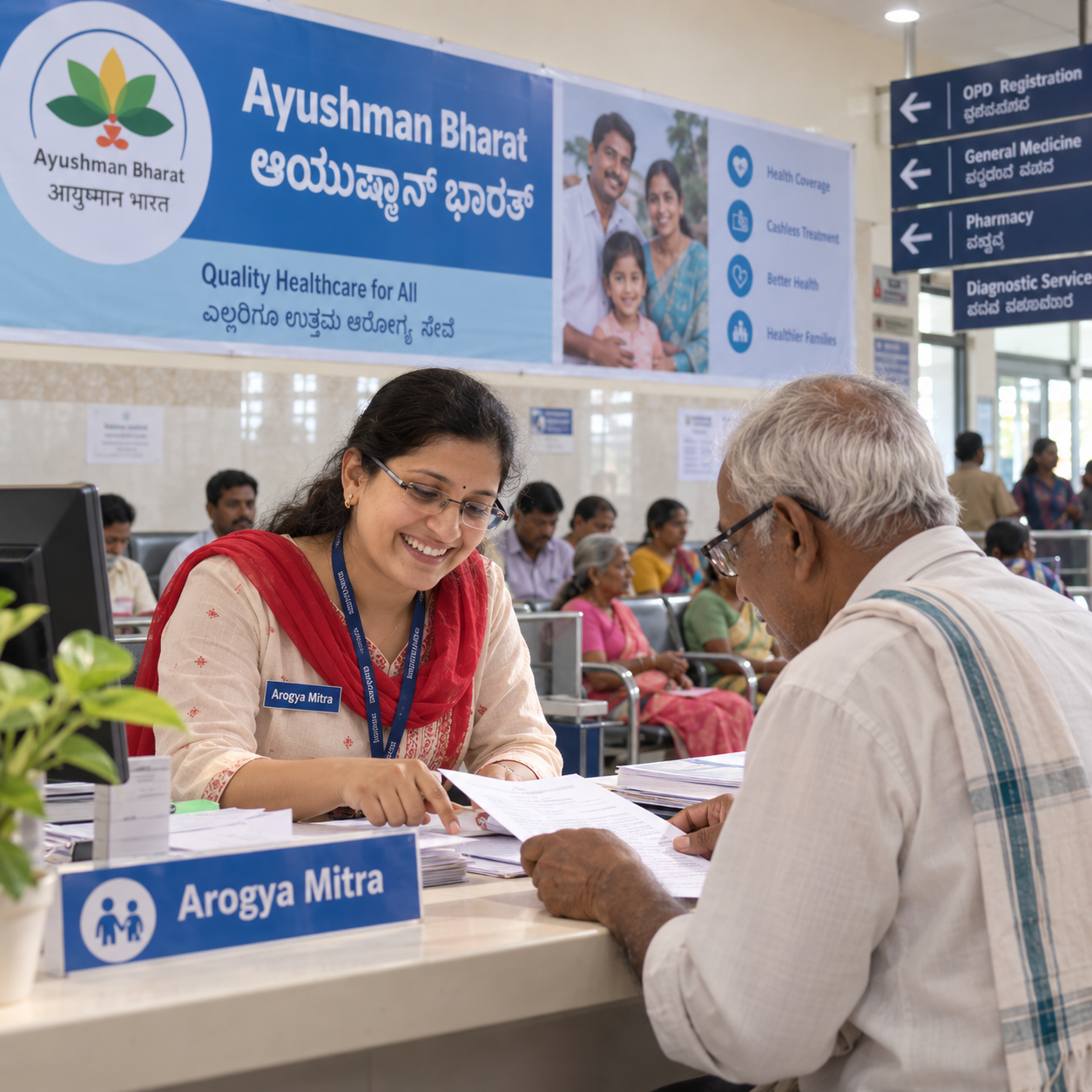
Another relatively simple intervention could be professionally staffed patient-assistance centres. For families unfamiliar with a large government hospital, registration, reports, referrals, queues and different procedures can quickly become overwhelming. Assistance with accommodation, food, transport and medical information could make the process easier and more dignified.
The larger issue is therefore not simply the availability of medical treatment. It is also the experience of the patient and family while accessing that treatment. India's technological and institutional capabilities provide opportunities to build systems that are more coordinated and centred on human needs.
AIIMS Delhi could potentially serve as a starting point for a broader model: a dignified patient-family facility integrated with appointment assistance, transparent partnerships involving government and philanthropic organisations, and systems that can later be adapted by other major government hospitals.
Ultimately, the progress of a nation is measured not only by the size of its economy or the scale of its infrastructure, but also by how securely an ordinary citizen can face a crisis. When a family travels hundreds or thousands of kilometres seeking treatment, access to healthcare should include the ability to navigate that journey with dignity.
Tanvi's story should therefore not remain only a matter of sympathy. It can also encourage a wider discussion about patient accommodation, waiting times, healthcare capacity, decentralisation of specialised services and the support available to vulnerable families. India's aspirations for the future acquire greater meaning when they reach citizens facing difficult circumstances today.
About the Author
Colonel Madhur Goyal, Sena Medal (Retd), is a decorated veteran of the Indian Army whose military career spanned more than three decades, including service in counter-terrorism operations in the Kashmir Valley and at the Siachen Glacier. An alumnus of the Indian Military Academy, Dehradun, he writes on history, philosophy, geopolitics, Indian civilisation, national security, governance, leadership, ethics and culture. He has authored six books and regularly contributes to newspapers, magazines and journals. His writing draws on his experience in uniform and his interest in the values and institutions that shape Indian society.