Warm Water in Indian Households: Tradition, Observation and Scientific Evidence
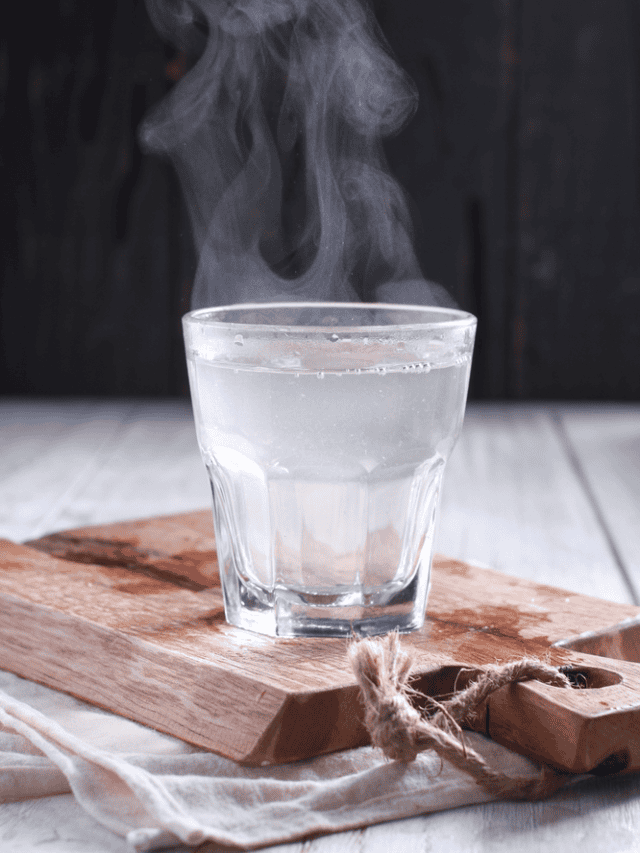
Warm Water Drinking: Traditional Practice and What Research Says
Warm-water drinking, commonly known as goru vechchani neellu (garam paani), has been part of Indian household routines for generations. Families have traditionally recommended lukewarm water in the morning, after meals, and during colder weather for comfort and perceived digestive well-being.
Modern research suggests that water temperature can influence certain physiological responses and may affect gastrointestinal and cardiovascular responses to drinking. However, available evidence does not establish that warm water is universally superior to cooler water for hydration or thirst relief. Some studies have found that cooler water may increase voluntary intake and provide greater relief from thirst.
Conclusion
Traditional Indian health practices should neither be dismissed automatically nor accepted as medically proven without examination. Generational observations can provide useful questions for scientific research, while rigorous evidence can help establish which practices are genuinely beneficial.
Combining cultural knowledge with scientific validation can offer a balanced approach to health communication. Individual preferences, health conditions and hydration needs should also be considered when choosing the temperature of drinking water.
Sources
- Girona M, Grasser EK, Dulloo AG, Montani JP. Cardiovascular and metabolic responses to tap water ingestion in young humans: does the water temperature matter? Acta Physiologica. 2014.
- Boulze D, Montastruc P, Cabanac M. Water intake, pleasure and water temperature in humans. Physiology & Behavior. 1983.
- Khamnei S, Hosseinlou A, Zamanlu M. Water temperature, voluntary drinking and fluid balance in dehydrated Taekwondo athletes. Journal of Sports Science & Medicine. 2011.
- van Belzen L, Postma EM, Boesveldt S. How to quench your thirst: The effect of water-based products varying in temperature and texture, flavour, and sugar content on thirst. Physiology & Behavior. 2017.
Author: Rudrakshi Durga Thilak
DBA Candidate, Rushford Business School, Lucerne, Switzerland
District Reporter, Indian Press Union (IPU), Nalgonda, Telangana
IPU ID: IPU2608156143
Author's Note: This manuscript is open to expert review, corrections, suggestions, and factual improvements. Constructive feedback is welcomed before submission. Any expert or contributor whose corrections or substantive inputs improve the final article may be acknowledged and credited in the submitted manuscript, with their permission.