West Bengal Faces Uneven Monsoon: North Bengal Gets Heavier Rain, South Bengal Receives Less
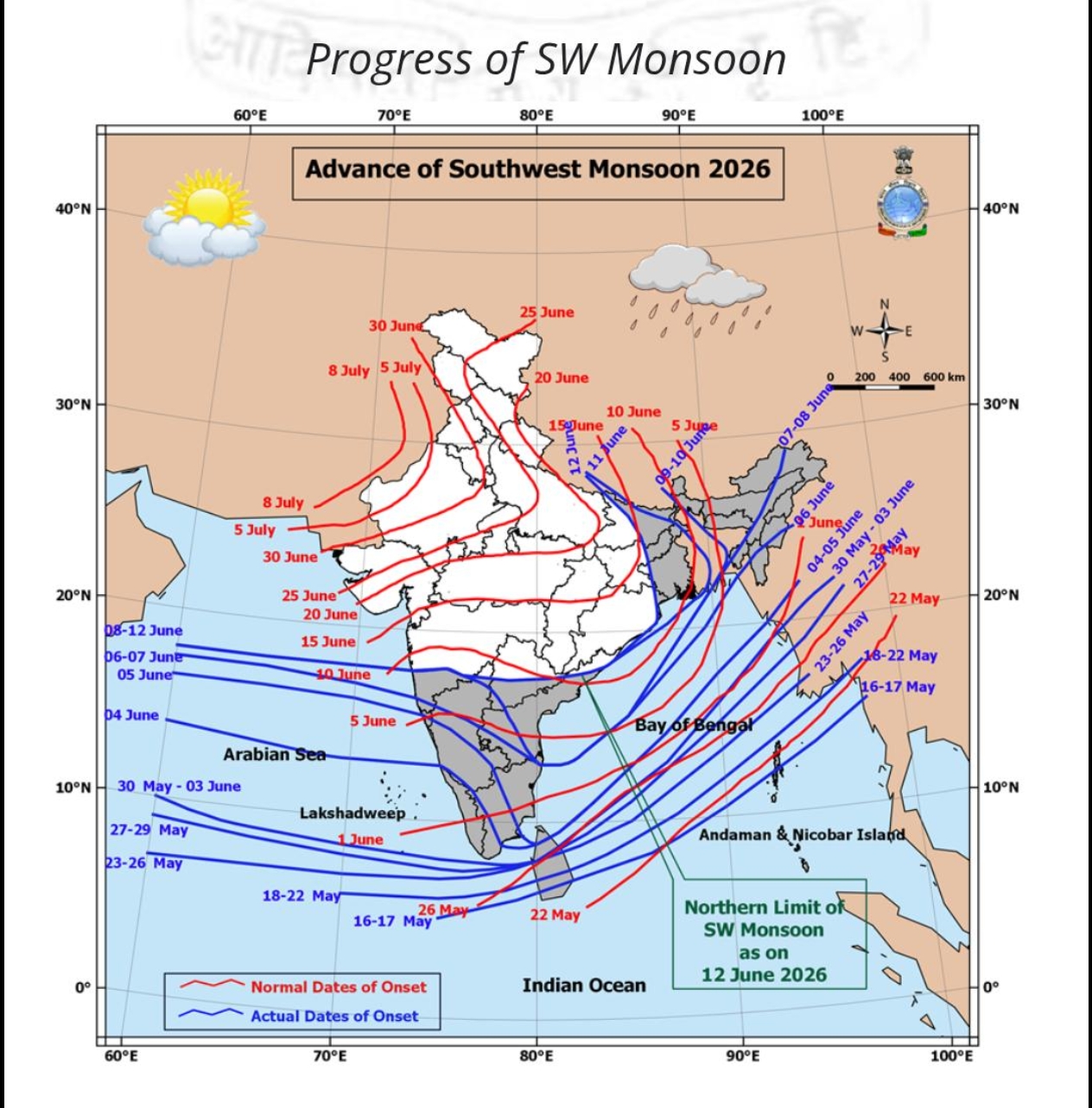
Kolkata, July 15, 2026: West Bengal is witnessing a clear monsoon imbalance this season, with North Bengal receiving heavier rainfall while South Bengal continues to get comparatively less rain. The difference has become visible across the state, affecting agriculture, transport, and daily life in different ways. �
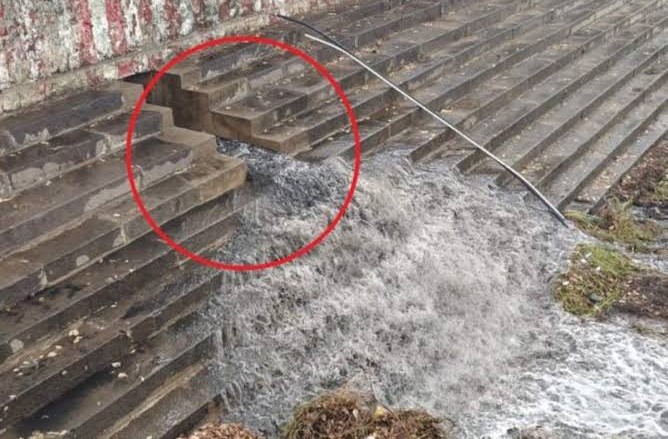
North Bengal has been getting more intense rainfall because of its sub-Himalayan geography and the way monsoon winds interact with the hills. Weather reports show that isolated heavy rain has occurred repeatedly in North Bengal districts such as Alipurduar, Jalpaiguri, Cooch Behar, Darjeeling, and Kalimpong during the first half of July. �
South Bengal, on the other hand, has been receiving less and more scattered rainfall. The weekly rainfall report for West Bengal showed that the state as a whole recorded 63.9 mm rainfall against a normal of 95.4 mm from July 2 to July 8, reflecting a 33 percent deficit for that week. �
This uneven distribution is not new to West Bengal. Studies on rainfall over the state show that North Bengal generally receives more rainfall than South Bengal, and the rainy season arrives earlier in the northern region. South Bengal, by comparison, tends to have lower rainfall concentration and a shorter span of intense monsoon activity. �
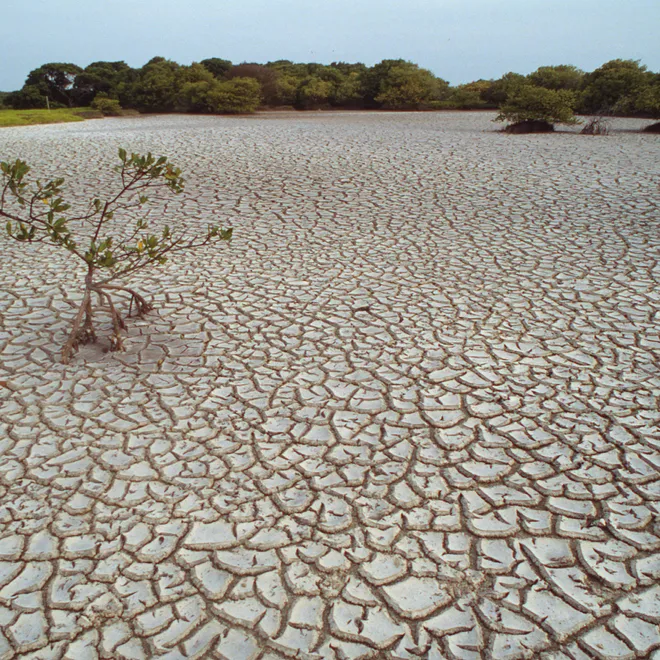
The impact of this imbalance is significant. In North Bengal, excessive rainfall increases the risk of waterlogging, erosion, road damage, and landslides in vulnerable areas. In South Bengal, lower rainfall may affect irrigation, crop growth, and water availability if the dry pattern continues. �
The IMD outlook suggests that both North and South Bengal may receive more widespread rain in the coming days, though the north is likely to continue seeing isolated heavy to very heavy rainfall. Authorities have advised close monitoring of local weather conditions and rainfall-related disruption across the state. �
Figure: Rainfall contrast in West Bengal
West Bengal Monsoon Pattern
North Bengal ████████████████ Heavy rainfall
South Bengal ██████ Less rainfall
Weekly rainfall in West Bengal (2–8 July 2026)
Actual: 63.9 mm
Normal: 95.4 mm
Departure: -33%
Figure 1. West Bengal’s rainfall pattern shows a stronger monsoon impact in North Bengal and weaker rainfall in South Bengal. �
Published Report
West Bengal’s monsoon has taken an uneven turn this season, with North Bengal recording heavier rainfall and South Bengal receiving less. The difference is being driven by geography, monsoon flow, and seasonal weather patterns that often concentrate rain over the northern belt of the state. �
During the first week of July, North Bengal districts reported several spells of heavy rain, while South Bengal received relatively lower and more scattered showers. The state’s weekly rainfall remained below normal, indicating that the distribution of rain has been uneven even as monsoon activity continued across the region. �
Experts say this contrast is part of West Bengal’s natural climate pattern, but the consequences vary sharply from one region to another. While North Bengal faces flood and erosion threats, South Bengal must deal with the risk of rainfall shortage and stress on agriculture if the trend continues. �
The current situation underlines the need for careful weather monitoring, district-level preparedness, and stronger response measures to manage both excess rain in the north and rainfall deficit in the south. �