Noida Workers Detained Amid Protest Still Stripped of Their Phones, Highlighting Ongoing Struggles
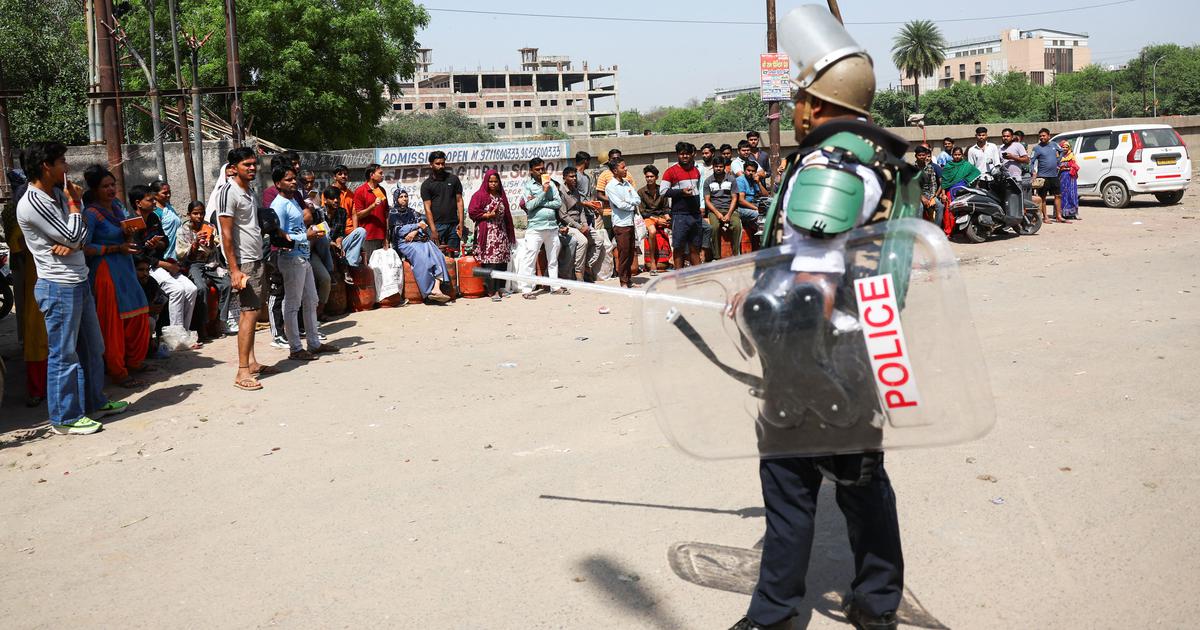
In a troubling turn of events following the release of nearly 1,100 workers detained by the Uttar Pradesh police, many are still without their personal belongings, particularly their mobile phones. Detained under Section 170 of the Bharatiya Nagarik Suraksha Sanhita, which allows for preventive detention rather than punishment, these workers have been left in a precarious situation over two weeks after their release, having lost a critical link to their financial stability and identity.
The workers were initially detained after participating in a series of protests spanning six days, starting from April 9, aimed at addressing severe issues such as paltry wages, deteriorating working conditions, and the absence of essential statutory protections. The protests were ignited by the rising cost of living, particularly the soaring prices of cooking gas, exacerbating the already dire situation for the labor community in Noida. Instead of a constructive dialogue about their grievances, the response from authorities was a heavy-handed crackdown, transforming what should have been a labor rights issue into a matter of public order.
For many working-class individuals in India, a mobile phone is not just a communication tool; it is a lifeline. It represents access to various financial services such as mobile banking and digital wallets, which are crucial for managing their meager savings and daily expenses. By withholding these devices, authorities are inadvertently continuing a form of punishment even after the detention period has ended, leaving the workers disconnected not only from their families but also from their financial resources.
The situation raises serious questions about the treatment of labor rights in India. Despite the protests being aimed at highlighting legitimate concerns, the government’s approach has often resorted to suppression rather than resolution. Analysts argue that such actions only serve to escalate tensions and undermine trust between the workforce and the authorities, which could have long-term implications for industrial relations in the region.
As the workers await the return of their phones, they remain in limbo, illustrating a broader struggle faced by laborers across the country. The need for systemic change that addresses their basic rights and ensures their voices are heard cannot be overstated. The ongoing saga in Noida underscores the urgent need for a more compassionate and understanding approach towards labor issues in India.