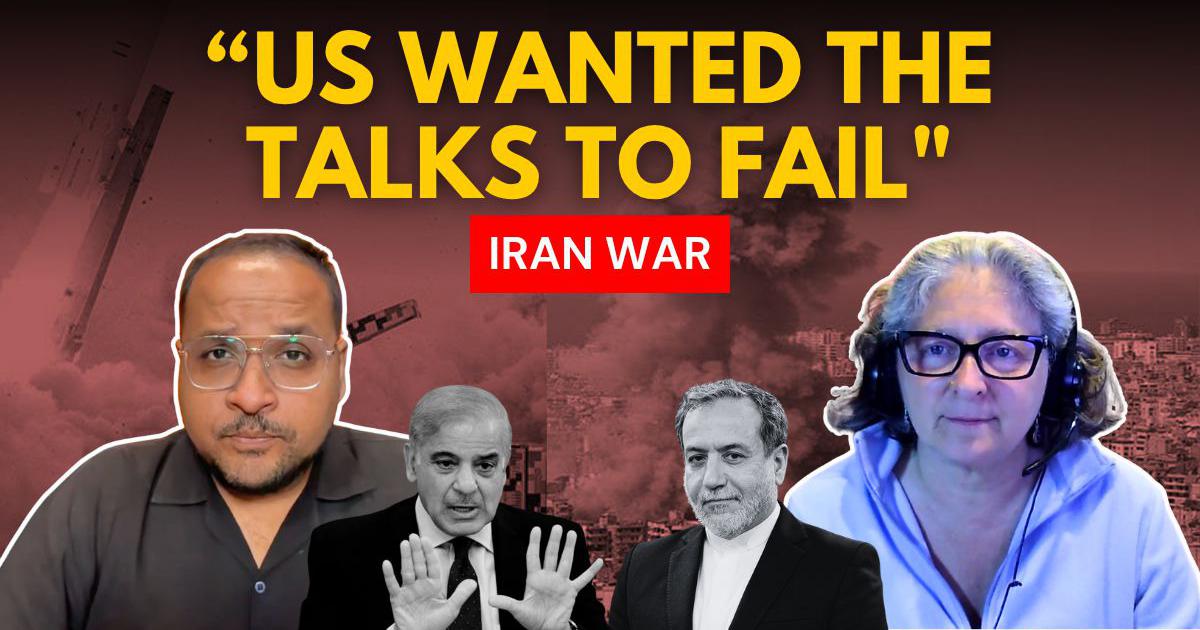
In a surprising turn of events, Pakistan has positioned itself as a pivotal player in international diplomacy, particularly concerning the strained relations between the United States and Iran. Recent discussions in Islamabad marked a significant moment, as both nations contemplated a ceasefire and initiated dialogue for the first time in decades, a process that has been largely absent since the Islamic Revolution in 1979.
Political analyst Dr. Christine Fair, an expert on South Asian affairs, has weighed in on Pakistan’s newfound diplomatic role. In her assessment, the emergence of Pakistan as a mediator could potentially enhance its global standing, even if the immediate talks have been stalled following the US’s announcement of a naval blockade against Iran. “Calling Pakistan a ‘dalal’ or broker appears to reflect more on India’s insecurities than on Pakistan’s actual role in the negotiations,” she noted, suggesting that such labels may diminish India’s stature in the diplomatic arena.
The backdrop of these developments is a complicated web of historical grievances and strategic interests. For years, the relationship between the US and Iran has been characterized by tension and hostility, fueled by issues ranging from nuclear proliferation to regional conflicts. Pakistan’s intervention at this juncture could be seen as a strategic move to assert itself on the global stage, showcasing its capability to facilitate dialogue where others have faltered.
However, the question remains: does this development genuinely signal a shift in Pakistan’s diplomatic fortunes, or is it merely a fleeting moment in a long-standing geopolitical rivalry? Dr. Fair emphasizes the importance of viewing these negotiations through the lens of Pakistan’s internal and external challenges. “Pakistan has often been viewed with skepticism due to its historical ties with radical groups and its tumultuous political landscape. Yet, this opportunity might allow it to redefine its narrative internationally, presenting itself as a stabilizing force in South Asia,” she asserted.
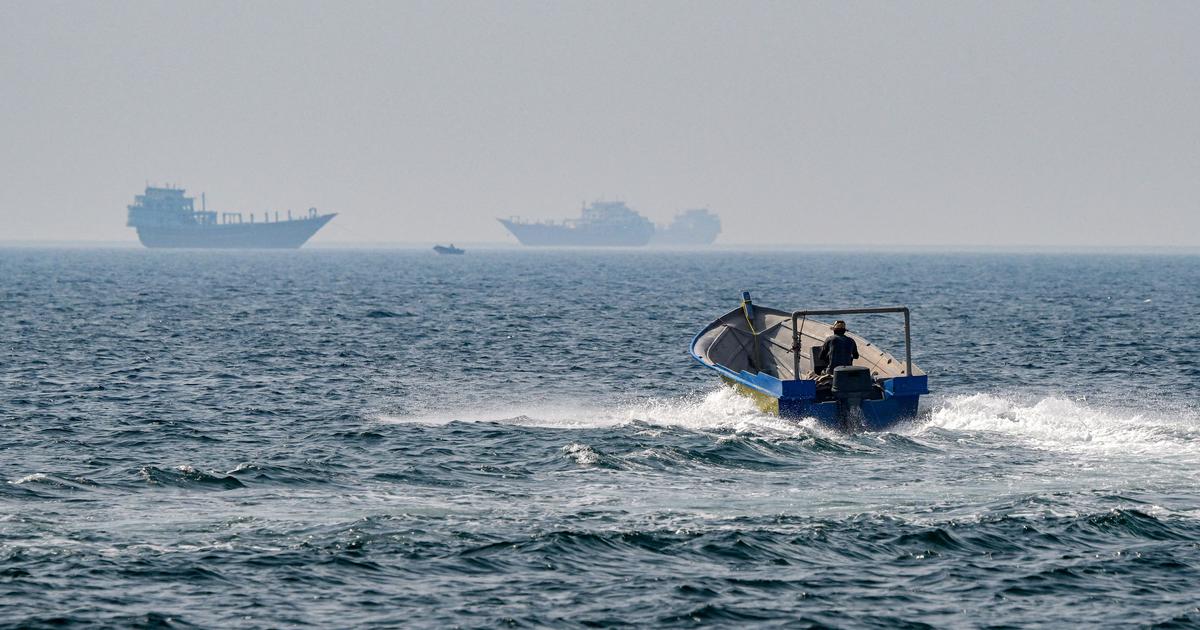
Yet, as the dust settles on the Islamabad summit, the landscape remains fraught with uncertainties. The US’s stern warnings of a naval blockade indicate that despite Pakistan’s mediation efforts, underlying tensions remain unresolved. The effectiveness of Pakistan’s diplomacy will ultimately depend on its ability to navigate these complex dynamics while maintaining its national interests.
In conclusion, while the Islamabad talks have certainly cast Pakistan in a new light, the long-term implications of this diplomatic maneuvering are yet to unfold. As India watches closely, the challenge for Pakistani leadership will be to leverage this moment to foster lasting improvements in its international relations, while also addressing the skepticism that surrounds its historical role in regional conflicts.