In a significant move, a parliamentary committee has called on the Union home ministry to provide a detailed report regarding the ecological ramifications of the controversial Great Nicobar project. This demand came during a recent meeting of the Public Accounts Committee, chaired by Congress MP KC Venugopal, where the focus was also on an audit report by the Comptroller and Auditor General related to the Andaman and Nicobar Islands Institute of Medical Sciences.
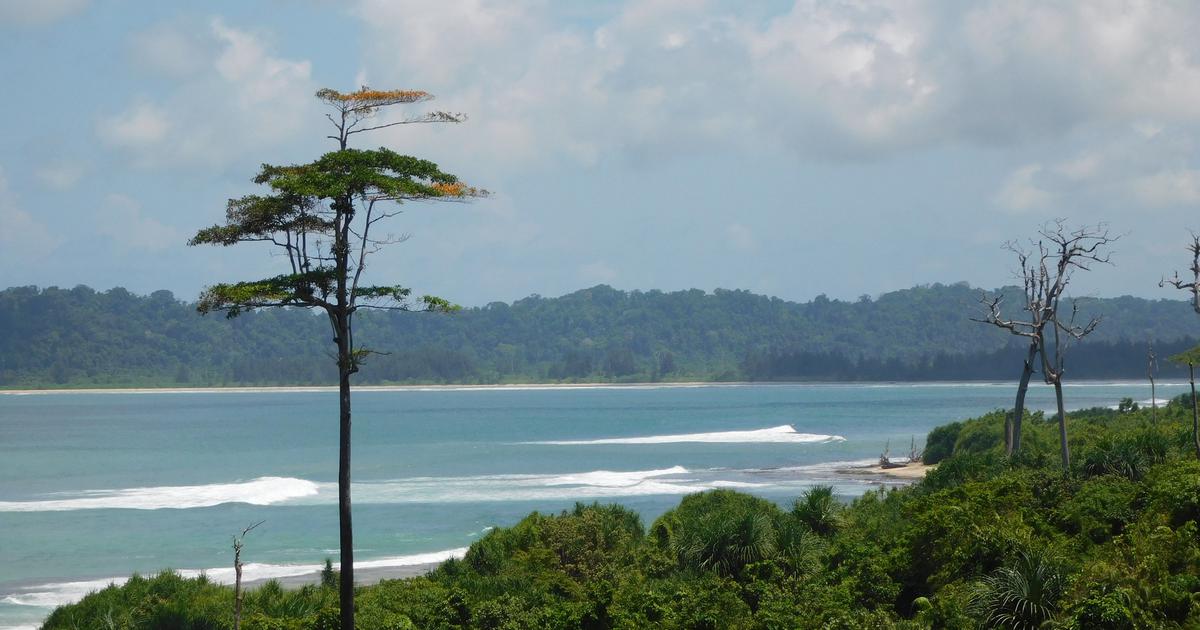
The committee’s decision to address the Great Nicobar project stems from growing concerns over its potential environmental fallout, especially regarding the rich biodiversity of the islands. MP Venugopal directed Home Secretary Govind Mohan to compile and submit a brief report on the matter for the committee’s review. While discussing points raised in the audit report, the Great Nicobar project was flagged for its potential adverse effects on local ecosystems.
This initiative has been met with some resistance, notably from Bharatiya Janata Party MP Anurag Thakur, who argued that the project was not on the meeting’s agenda. However, Venugopal clarified that it was not a discussion point but rather a request for information to ascertain the extent of ecological threats posed by the project.
The Great Nicobar project has drawn significant attention, particularly following a visit by Congress leader Rahul Gandhi to the islands earlier this year. During his visit, Gandhi raised alarms about the project’s implications, highlighting fears that it could lead to the destruction of extensive rainforests and the displacement of vulnerable tribal communities nestled within these lands.
Moreover, the absence of the Andaman and Nicobar chief secretary from the committee meeting raised eyebrows, prompting the committee to express its serious concern about the oversight. Venugopal remarked on the importance of having key officials present during such discussions, underscoring the urgency and relevance of the ecological issues at hand.
The Great Nicobar project is positioned as a major developmental initiative aimed at bolstering infrastructure and economic growth within the region. Nevertheless, environmental advocates warn that such development must not come at the cost of the islands’ fragile ecosystems and indigenous populations. As the parliamentary committee awaits the report from the Home Ministry, the fate of this ambitious project hangs in the balance, with stakeholders from various sectors keenly watching how the situation unfolds.