Revisiting Bimal Roy’s Iconic ‘Do Bigha Zamin’ and Its Timeless Struggle Against Poverty
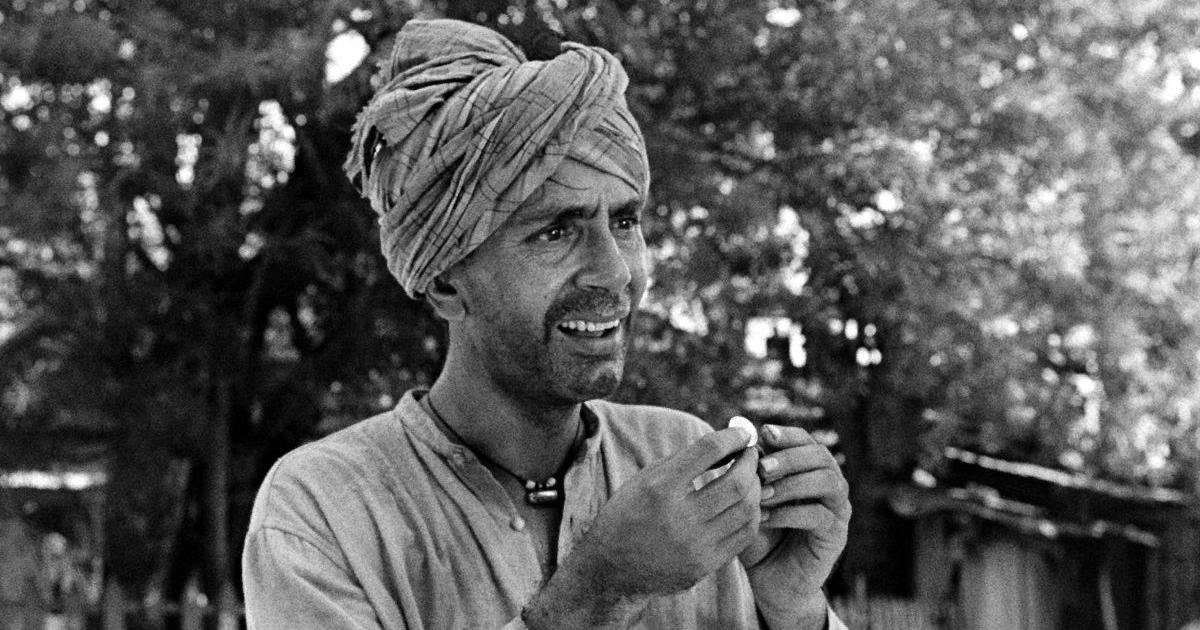
In the heart of Kolkata, a poignant scene unfolds as two lovers engage in a frantic race through the bustling streets, each urging their respective horse-drawn carriages to move faster. Shambhu, the driver, pushes himself to the limit, his feet pounding the ground with the fervor of desperation, surpassing even a horse in his quest to keep pace. The laughter of the lovers echoes around them, a stark contrast to Shambhu’s struggle, highlighting a haunting blend of joy and despair. This gripping sequence from Bimal Roy’s 1953 classic, Do Bigha Zamin, encapsulates the film’s central theme: the relentless battle against poverty.
Shyam Benegal, a prominent filmmaker, once remarked that Do Bigha Zamin struck him profoundly, calling it a film that connected deeply with reality. He appreciated how Bimal Roy, through his cinematic lens, portrayed the harsh truths of life in a way that resonated with audiences. This isn’t just a story of love but a poignant reflection on the social and economic struggles faced by many in India, showcasing Roy’s mastery in weaving narrative with authenticity.
Recently, Do Bigha Zamin was given a new lease on life through a restoration by the Criterion Collection and the Film Heritage Foundation. The film was showcased at the prestigious Venice Film Festival in September, a fitting tribute to its enduring legacy. The meticulous restoration process allowed new audiences to experience the film’s powerful message about the human condition and the brutal realities of poverty in post-colonial India.
Set in the backdrop of a changing India, Do Bigha Zamin tells the story of Shambhu, a struggling farmer who faces the harsh realities of land ownership and economic survival. The film is a microcosm of the broader societal challenges that persisted during the 1950s and continue to resonate today. Its depiction of the human spirit’s resilience against the odds serves as a mirror to contemporary issues of poverty and inequality that remain prevalent in Indian society.
The resonance of Bimal Roy’s work extends beyond its plot; it has influenced countless filmmakers and continues to inspire discussions about social issues. The film’s themes of perseverance and the quest for dignity in the face of overwhelming hardship remain relevant, echoing through the years as India grapples with its socio-economic challenges. As audiences revisit this cinematic gem, they are reminded of the ongoing struggle against poverty and the importance of empathy in our collective narrative.