Road Widening and Roadside Food Carts: Questions on Regulation and Public Infrastructure in the Nilgiris
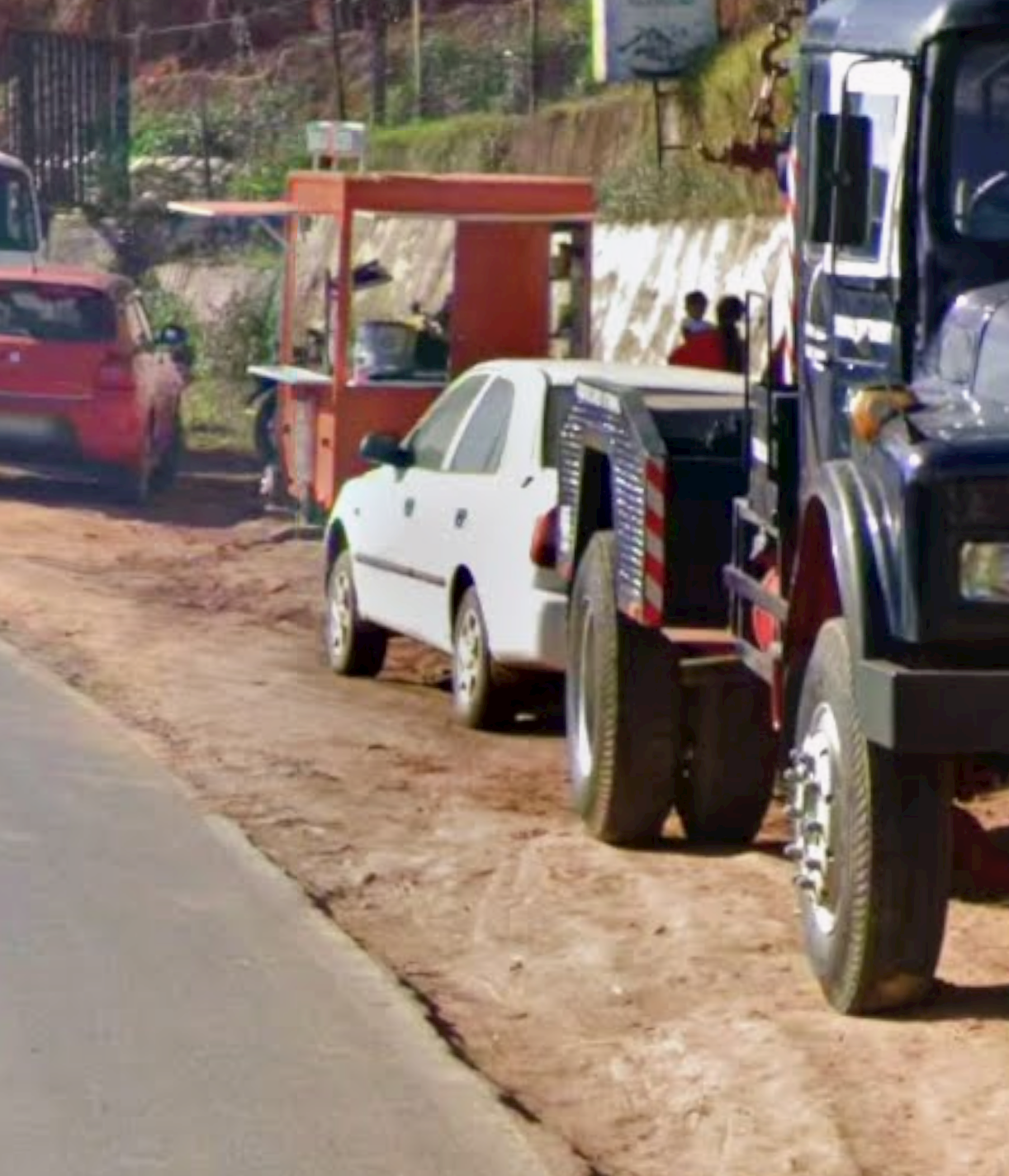
The Nilgiris witnesses a significant increase in tourist arrivals during peak travel seasons, often accompanied by a rise in roadside commercial activity, including food carts and temporary vending units along major roads.
This has led to questions among residents and visitors regarding the regulatory framework governing such establishments. Stakeholders have called for greater clarity on whether roadside vendors operating in public spaces have obtained the necessary approvals from local authorities, police, highways departments, and food safety agencies, wherever required under applicable regulations.
Road widening projects are typically undertaken to improve traffic flow, enhance pedestrian safety, and strengthen tourism-related infrastructure. As commercial activity increases along widened roads, some residents have suggested that authorities provide information on the policies and permissions governing the use of roadside public spaces.
Food safety is another area of public interest. Observers have emphasized the importance of ensuring that food vendors comply with applicable guidelines issued by the Food Safety and Standards Authority of India (FSSAI). Areas of concern include food hygiene, safe water usage, waste management, food storage practices, and regular inspections by relevant authorities.
The Nilgiris remains one of India’s most popular hill destinations, attracting visitors from across the country. Tourism stakeholders have noted that maintaining cleanliness, public safety, and organized infrastructure is important for sustaining the region’s reputation as a well-managed tourist destination.
Some residents and visitors have suggested that increased transparency regarding licensing, regulatory compliance, and enforcement mechanisms could help address public concerns while supporting both local businesses and sustainable tourism development.
As tourism activity continues to grow, effective coordination among local bodies, regulatory agencies, and business operators may play an important role in balancing economic opportunities with public convenience, safety, and environmental management.