




Sonam Wangchuk Launches Hunger Strike at Delhi Protest Demanding Education Minister’s Resignation
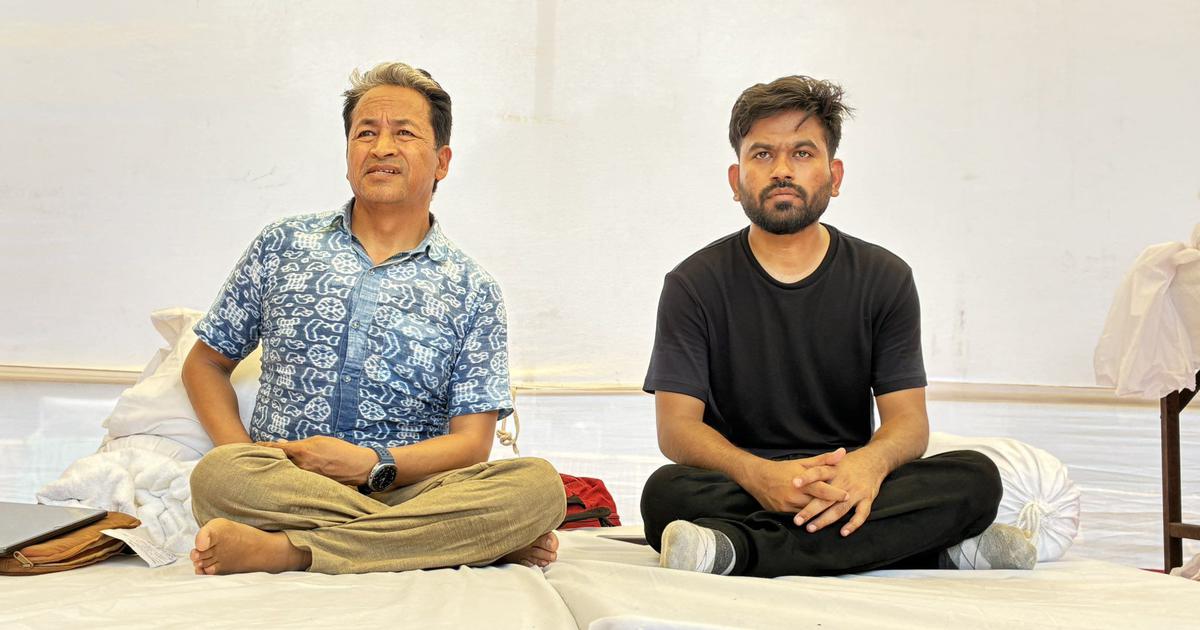
In a powerful display of dissent, renowned activist Sonam Wangchuk has initiated a hunger strike at Delhi’s iconic Jantar Mantar. This location has become a focal point for the Cockroach Janta Party (CJP), which has been staging protests since June 20, calling for the resignation of Union Education Minister Dharmendra Pradhan. The protesters accuse the minister of gross mismanagement in the execution of competitive exams, an issue that resonates deeply with many students and job seekers across the nation.
On Sunday, hundreds gathered at Jantar Mantar to support Wangchuk, whose commitment to the cause has drawn considerable attention. CJP founder Abhijeet Dipke expressed grave concerns regarding the conditions at the protest site, alleging that the Delhi Police had obstructed essential sanitation facilities just as Wangchuk began his fast. “We are facing severe restrictions, including the lack of water and other hygiene measures,” Dipke stated on social media, highlighting the difficulties faced by the protesters.
Dipke further claimed that despite appeals to the authorities, including concerns about Wangchuk’s age and health, there was a lack of cooperation from the police. He expressed fears that other fundamental amenities might also be denied to the protesters. Moreover, troubling reports surfaced that several farmers’ leaders from Uttar Pradesh, Haryana, and Punjab were being placed under house arrest to prevent them from joining the demonstration in Delhi.
The Cockroach Janta Party, which started off as a satirical political movement, has been vocal in its demands since holding its first protest on June 6. The movement gained momentum with demonstrations in various cities aimed at holding the government accountable for perceived systemic failures. Wangchuk, who has been a prominent figure in environmental and educational reforms, participated in the initial protests and has since become a symbol of resistance against perceived injustices in the education sector.
The protests were initially sparked by remarks made by Chief Justice Surya Kant, which were interpreted as a critique of the government’s handling of unemployment and education. As frustration mounts among students and educators alike regarding the state of competitive examinations and job opportunities, the CJP’s activities have ignited a broader conversation about educational reform and government accountability.
With the hunger strike, Wangchuk aims to amplify the voices of those affected by the alleged mismanagement of competitive exams, and to compel the government to take action. The situation at Jantar Mantar remains tense as supporters rally behind Wangchuk, demanding justice and transparency in the educational sector. The outcome of this protest could have significant implications not just for the involved parties, but also for the future of educational policy in India.

