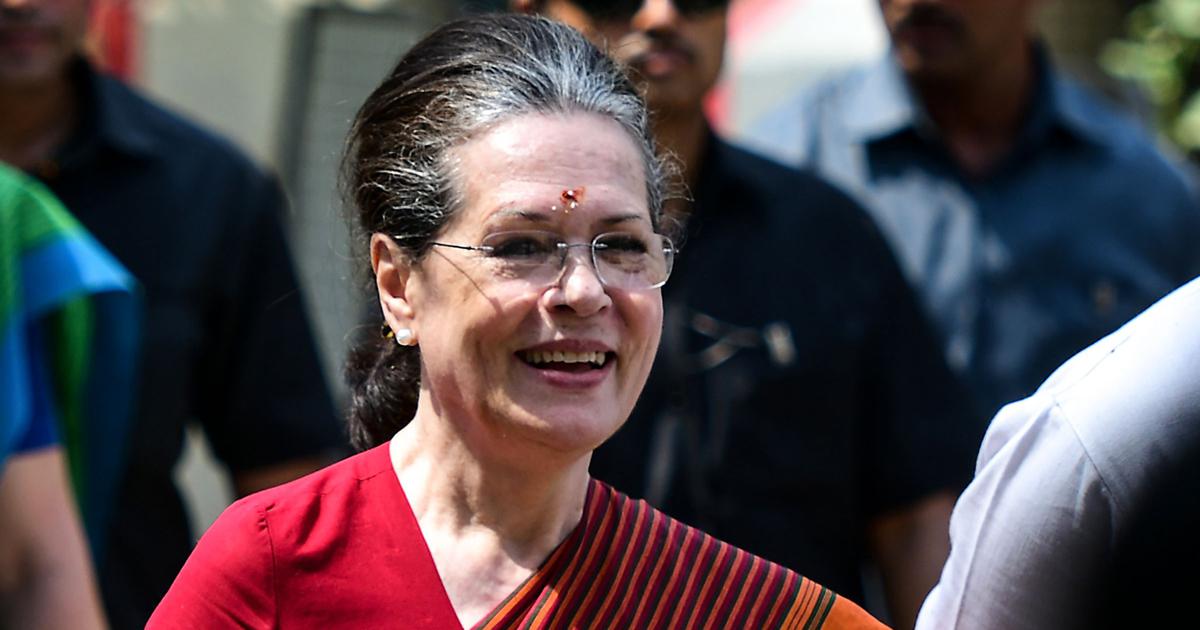
In a thought-provoking article published in The Hindu, Congress leader Sonia Gandhi has stressed the importance of ensuring that any delimitation of electoral constituencies is driven by political fairness, rather than mere numerical adjustments. With the backdrop of an impending amendment bill aimed at increasing the Lok Sabha’s strength from 543 to 816 seats and reserving approximately one-third for women, Gandhi’s insights come at a critical juncture for Indian democracy.
She articulated her concerns on Monday, emphasizing that the process of redrawing electoral boundaries should not disadvantage smaller states or those that have made significant strides in family planning initiatives. This assertion reflects a broader sentiment within the political spectrum regarding equitable representation, particularly as Parliament prepares for a special session where the proposed changes will be debated.
The Congress leader contended that while the proposed increase in the number of Lok Sabha seats may appear to maintain proportionality, it risks diminishing the relative influence of certain states. Gandhi warned that a seemingly straightforward rise in seat counts could exacerbate disparities in representation, especially when viewed through the lens of absolute numbers. This could lead to a skewed political landscape where the voices of smaller states are further marginalized.
Moreover, Gandhi underscored the necessity of conducting a new Census prior to any delimitation process — a practice upheld in previous instances. She highlighted the importance of accurate demographic data, including caste enumeration, in ensuring that political representation truly reflects the diversity of the Indian populace. This foundational step is critical for establishing a fair basis for delimitation, enhancing the legitimacy and effectiveness of the electoral process.
As discussions around the draft amendment bill intensify, Sonia Gandhi’s call for a politically equitable delimitation process resonates with many who believe that India’s democratic principles should prioritize fairness and inclusivity. The outcome of these deliberations could significantly impact the political landscape, shaping representation for years to come.