




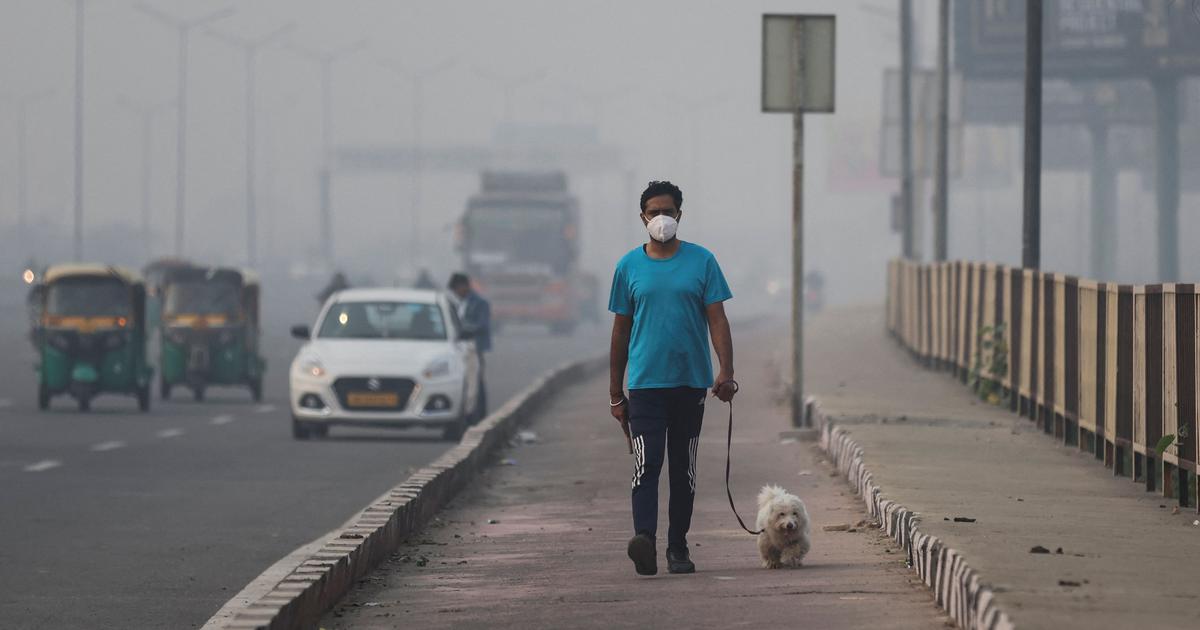
The Supreme Court of India has made a landmark ruling affirming that the right to walk safely on designated footpaths is a fundamental right of every citizen. This significant declaration was made by a bench comprising Justices PS Narasimha and AS Chandurkar, emphasizing that pedestrians should be prioritized over vehicular traffic on footpaths.
The court asserted that while the freedom to walk may be subject to reasonable limitations, it is imperative that public spaces are not dominated by vehicles. Municipal authorities, including urban development bodies and local governments, are mandated to provide and maintain well-constructed footpaths for the safety and convenience of pedestrians. The ruling highlights that this fundamental right is enshrined in Article 19 of the Indian Constitution, which guarantees certain freedoms to citizens.
In their judgment, the justices stated, “A clear articulation and declaration of such a right is necessary to recognize the correlative duty to provision and maintain footpaths.” This statement underscores the responsibility of various governmental entities, including municipal corporations and panchayats, to ensure that pedestrian pathways are not only present but also safe and accessible.
The court’s ruling addresses a long-standing civilizational issue in India: the inadequate infrastructure for pedestrians. The justices pointed out that many existing footpaths are often in disrepair or are encroached upon by motor vehicles, making it dangerous for pedestrians. They noted, “The absence of safe and comfortable footpaths to walk on, and even when they exist, their subjugation to motor transport, has been a civilizational problem.” This statement reflects the ongoing struggle for pedestrian rights in a country where rapid urbanization often sidelines the needs of walkers.
Furthermore, the court highlighted that any infringement of the right to walk safely allows citizens to seek legal remedies, including compensation from the authorities responsible for pedestrian infrastructure. This avenue for legal recourse is distinct from claims that can be made under the Motor Vehicles Act, indicating a stronger legal framework to protect pedestrian rights.
This ruling is likely to have far-reaching implications for urban planning and development across India. It serves as a wake-up call for city planners and local governments to prioritize the safety of pedestrians, aligning urban infrastructure with the rights of individuals. As cities continue to grow and the number of vehicles on the road increases, ensuring safe walking spaces is not just beneficial but essential for a balanced urban ecosystem.

