Supreme Court Critiques Election Commission’s Process in West Bengal Amid Noida Protests
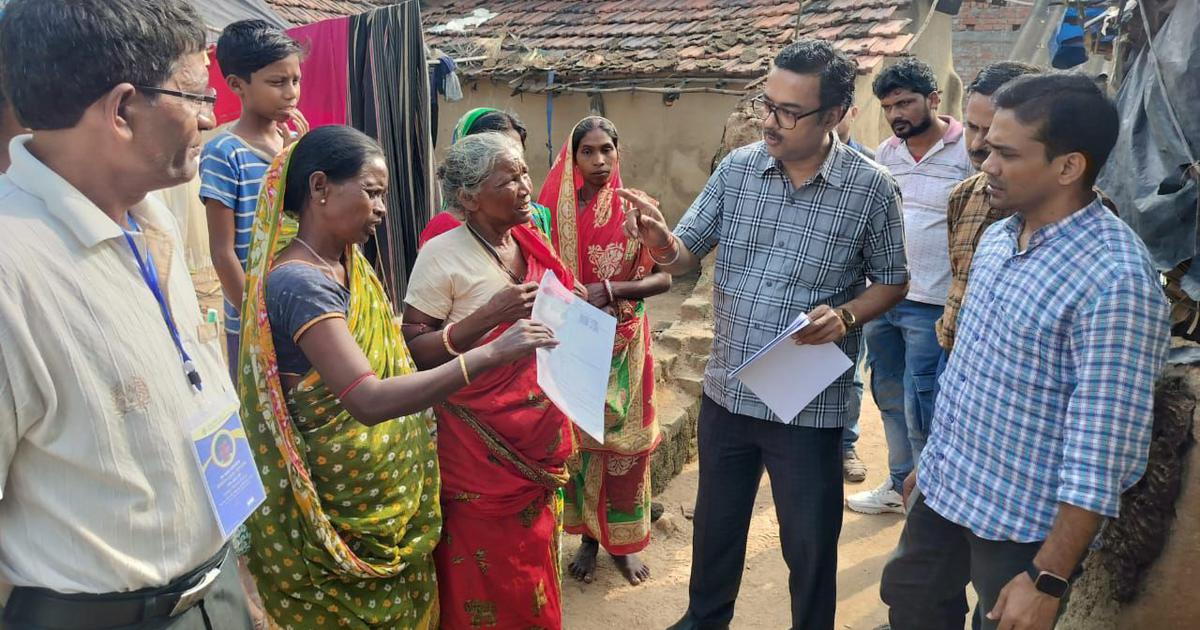
The Supreme Court of India has raised concerns regarding the Election Commission’s handling of the electoral roll revision in West Bengal, indicating that it diverged from the established procedures used in other states. During proceedings, the court expressed that the introduction of a new classification termed ‘logical discrepancy’ was a deviation from the standard protocols. This observation is pivotal as it underscores the ongoing scrutiny of electoral processes ahead of the state assembly elections.
The bench noted with concern that numerous individuals, specifically over 34 lakh, have lodged appeals regarding their exclusion from the voter list. They highlighted that these appeals remain pending before various tribunals, which complicates the electoral landscape. The court ruled that individuals with pending appeals would not be permitted to cast their votes in the upcoming Assembly polls, emphasizing the need for a clear and robust electoral process.
In providing clarity on what constitutes ‘logical discrepancies,’ the Supreme Court detailed various factors, including mismatches in parental names, minimal age differences between children and parents, and instances where families have more than six children. This nuanced interpretation reflects the importance of meticulous record-keeping in ensuring fair voter representation.
Furthermore, the Supreme Court pointed out a contradiction in the Election Commission’s stance during the electoral roll revision in Bihar, where it had previously allowed individuals listed in the 2002 voter rolls to avoid submitting additional documentation. The court’s remarks suggest a need for consistency in electoral policies across states to foster public confidence in the electoral system.
In another significant development, protests erupted in Noida as factory workers gathered to demand higher wages. Reports and videos emerging from the site depicted a scene of unrest as workers clashed with authorities, pressing for their rights in what has become a heated labor dispute. As these protests unfold, they add a layer of complexity to the socio-economic challenges faced by workers in India, particularly in the context of rising inflation and cost of living issues.
The juxtaposition of the Supreme Court’s observations on electoral integrity and the ongoing labor unrest in Noida highlights the multifaceted challenges India faces as it approaches crucial elections. The need for transparent governance and fair labor practices remains more pressing than ever, underscoring the interconnectedness of political and economic issues in the country.