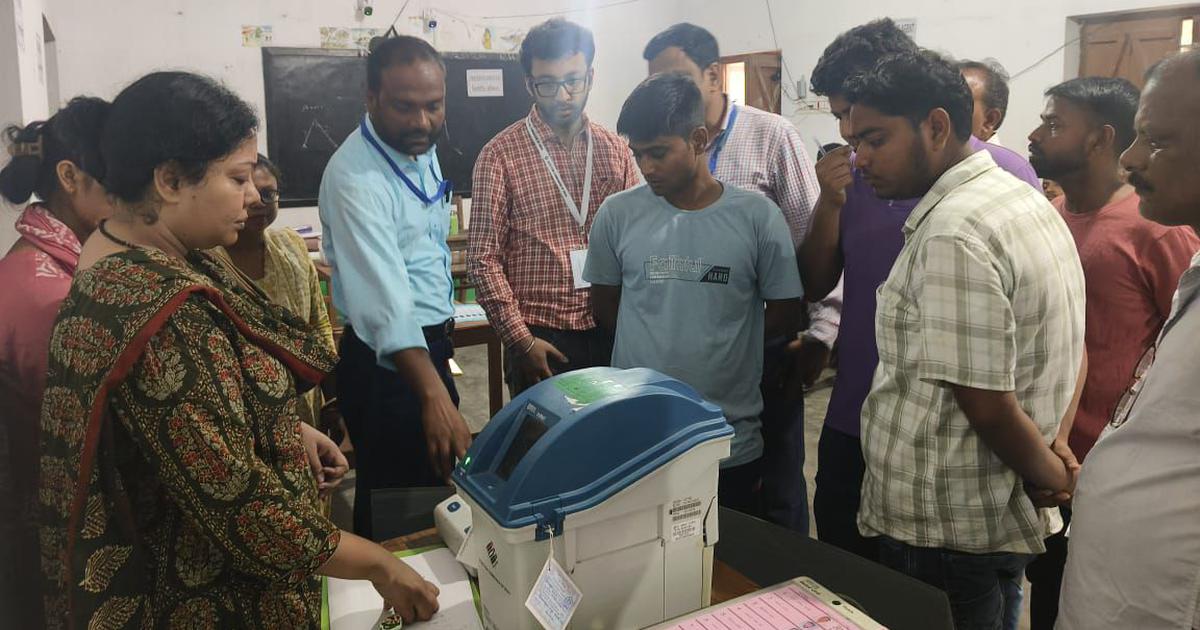
In a recent development, the Supreme Court of India addressed the unsettling issue of 65 election duty officers being removed from the electoral rolls of West Bengal following a special intensive revision. The matter was brought to light during a hearing where Senior Advocate MR Shamshad, representing the officers, argued that their Electors’ Photo Identity Card (EPIC) numbers were cited in their duty orders but were subsequently struck off the voter lists. He described this action as ‘arbitrary’ and unjust.
The bench, led by Chief Justice Surya Kant along with Justices Joymalya Bagchi and Vipul M Pancholi, acknowledged the concerns raised by the petitioners. However, they advised the officers to pursue their grievances through the appellate tribunal rather than granting immediate relief. The court remarked that while these officers may be unable to participate in the upcoming elections due to this deletion, their right to remain on the electoral rolls is paramount and should be safeguarded.
Furthermore, the Supreme Court indicated that if those affected could demonstrate an urgent need, the appellate tribunals would consider their requests for out-of-turn hearings. This statement came in the wake of arguments presented by advocate Kalyan Bandopadhyay, who highlighted that out of an overwhelming 27 lakh pending appeals before the tribunal, only 136 voters had their names reinstated on the electoral rolls before the cut-off date.
This situation underscores the complexities involved in managing electoral processes in India, especially in states like West Bengal, where political sensitivities run high. The electoral rolls are critical not just for the smooth conduct of elections but also for ensuring that every eligible citizen has the right to vote. The deletion of names, particularly that of election officials, raises questions about the transparency and fairness of the electoral revision process.
Election authorities must navigate these challenges while ensuring that the rights of those affected are upheld. The Supreme Court’s intervention aims to provide a framework for addressing such grievances in an orderly fashion, emphasizing the need for individuals to seek resolution through the appropriate legal channels. As India approaches its election period, the focus on maintaining the integrity of the electoral rolls becomes imperative to uphold the democratic process.