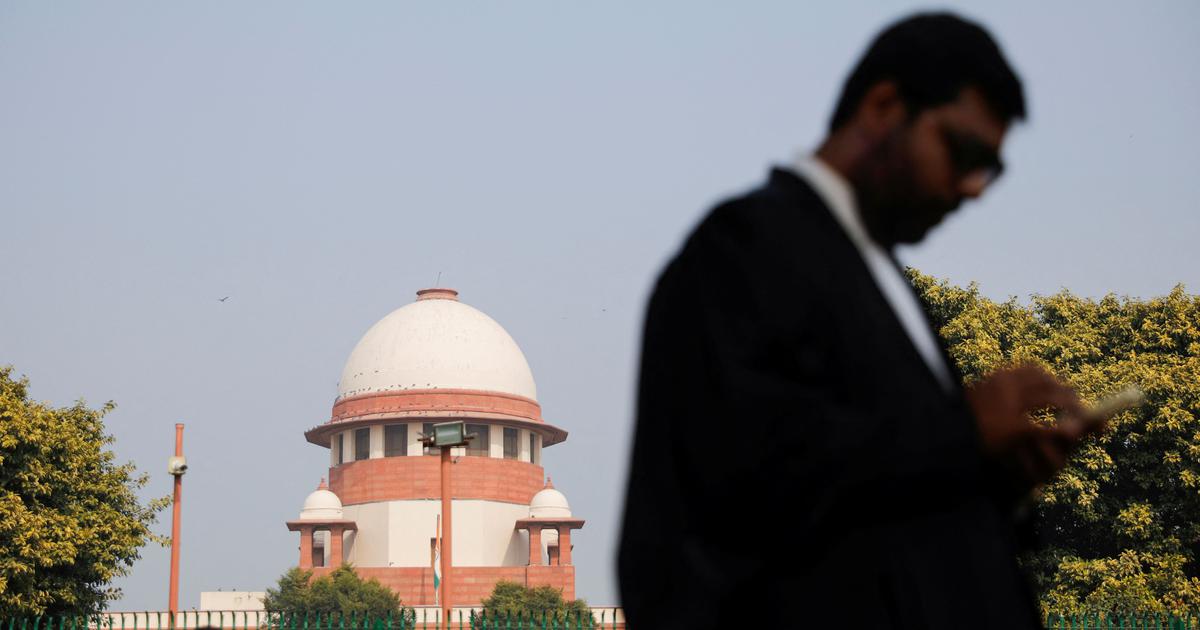
In a significant ruling, the Supreme Court of India has permitted the withdrawal of life support for a 31-year-old man, Harish Rana, who has been in a permanent vegetative state since 2013. This decision marks the first application of the court’s guidelines on passive euthanasia, which were established in a landmark judgement in 2018.
The bench, consisting of Justices JB Pardiwala and KV Viswanathan, deliberated on a plea from Rana’s family, who sought to discontinue life-sustaining treatments that included clinically assisted nutrition and hydration provided through a PEG (Percutaneous Endoscopic Gastrostomy) tube. Rana sustained a severe traumatic brain injury after a fall from a building in Chandigarh almost a decade ago and has remained unresponsive ever since.
The 2018 judgement by a five-judge Constitution bench laid the groundwork for passive euthanasia by recognizing that the right to life under Article 21 of the Indian Constitution encompasses the right to live with dignity, which includes the ability to die with dignity. The court had reasoned that terminally ill patients or individuals without any hope of recovery should have the option to ease their passing.
This ruling is not just a legal victory but also a poignant moment that touches on the ethical questions surrounding end-of-life care in India. The family’s plea reflects a heartbreaking decision to prioritize their loved one’s dignity over prolonged suffering, a sentiment that resonates with many facing similar situations.
As this case unfolds, it highlights the evolving discourse on euthanasia and patients’ rights within the framework of Indian law, reminding us of the delicate balance between legal statutes and humane considerations.