Supreme Court Halts Bail for Pawan Khera Amid Ongoing Legal Battle; Chhattisgarh Boiler Explosion Claims 19 Lives
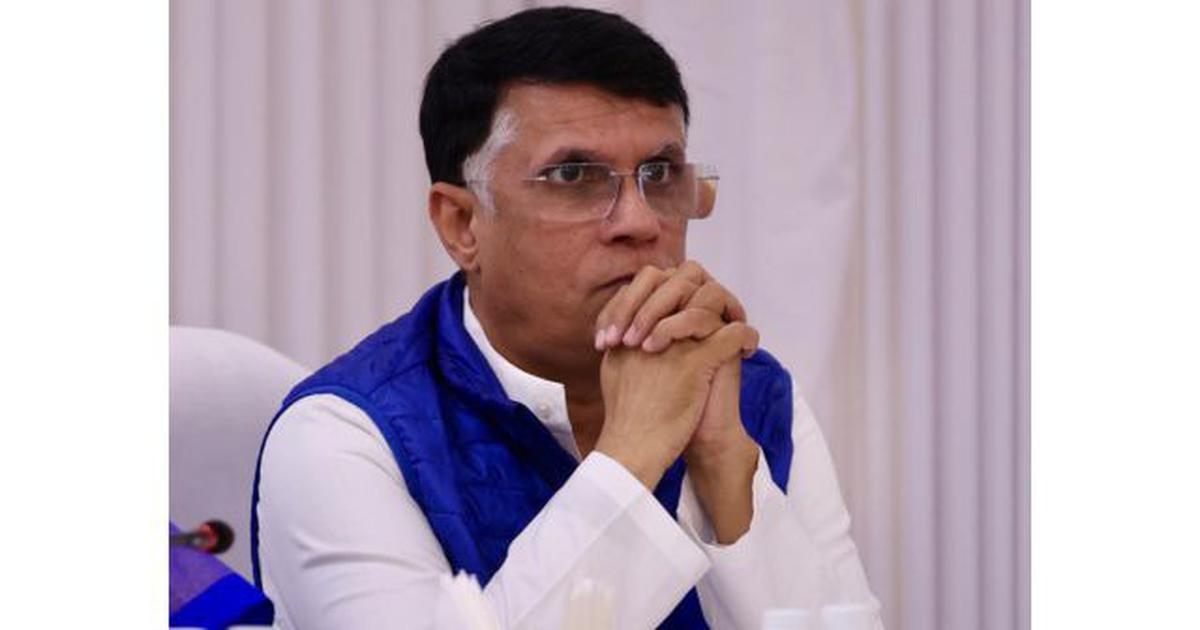
The Indian legal landscape has witnessed a significant development as the Supreme Court of India has put a hold on the anticipatory bail previously granted to Congress leader Pawan Khera by the Telangana High Court. This decision comes in light of a case initiated by the Assam Police, further complicating Khera’s ongoing legal troubles.
Pawan Khera, who has been embroiled in controversy for his claims regarding Riniki Bhuyan Sarma—wife of Assam Chief Minister Himanta Biswa Sarma—was granted bail by the Telangana High Court on April 10. However, the Supreme Court bench expressed surprise at this ruling, leading to a reconsideration of Khera’s bail status. The allegations against Khera stem from his statements on April 5, where he alleged that Sarma possesses multiple passports from different nations, igniting a political firestorm.
Solicitor General Tushar Mehta, representing the Assam Police, characterized Khera’s decision to file for bail in Telangana as a misuse of the legal process, suggesting that it undermines the judicial system. Khera’s legal team is currently grappling with the implications of this latest ruling, which could affect not only his political career but also the public perception of the Congress party in the forthcoming elections.
In another noteworthy case, Aam Aadmi Party chief Arvind Kejriwal has submitted a new affidavit concerning the Central Bureau of Investigation’s (CBI) challenge to his discharge in the ongoing Delhi liquor policy case. Kejriwal has requested that Justice Swarana Kanta Sharma withdraw from the case, citing potential conflicts of interest due to her children being associated with the Union government. The chief minister’s concerns about bias were articulated as he noted that the Solicitor General, who is currently arguing against him in court, has allocated cases to Sharma’s children.
These legal proceedings are emblematic of the turbulent political climate in India, where allegations and counter-allegations often shape public discourse. The ongoing scrutiny of political figures like Khera and Kejriwal reflects a broader concern about accountability and justice within the Indian political framework. As the political landscape continues to evolve, public interest in these cases remains high, with many observing closely how they could impact party dynamics and voter sentiments in the run-up to upcoming elections.