Supreme Court Stops Experts Linked to ‘Judicial Corruption’ Chapter from Future Curriculum Work
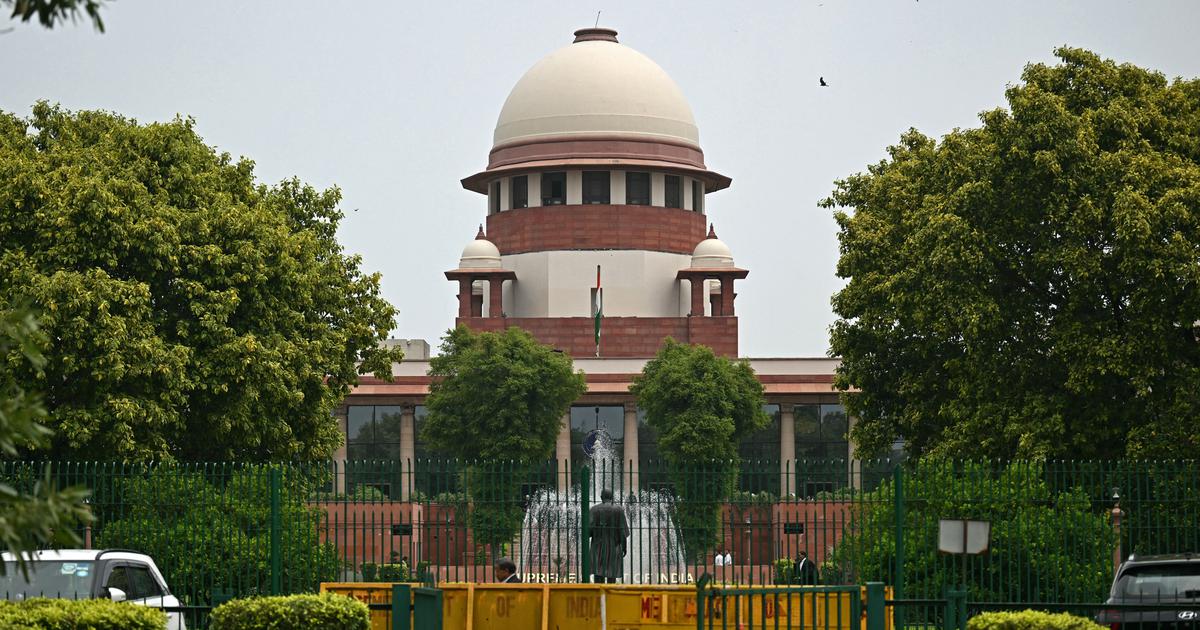
The Supreme Court of India has issued a significant directive aimed at the integrity of educational materials, specifically concerning a controversial chapter that discussed “corruption in the judiciary” in a withdrawn Class 8 social science textbook. This decision comes as a response to growing concerns over the quality and accuracy of curriculum content, particularly when it pertains to sensitive topics like judicial ethics.
During a hearing, the Court instructed both the central and state governments to ensure that three individuals involved in drafting the contentious chapter will no longer be permitted to participate in any curriculum-related projects. The chapter was part of a textbook released by the National Council of Educational Research and Training (NCERT), which has since issued an apology and withdrawn the entire book.
The controversy began to escalate when the Supreme Court took suo motu cognizance of the issue two weeks prior, subsequently banning any further publication or re-printing of the textbook. NCERT’s Director, Dinesh Prasad Saklani, confirmed that visiting professor Michel Danino had supervised the writing, with educator Suparna Diwakar and legal researcher Alok Prasanna Kumar contributing to the work.
The Court made it clear that these individuals either lacked a proper understanding of India’s judicial system or had intentionally distorted facts. It emphasized that such persons should not have any role in shaping educational materials for future generations. This stance highlights the judiciary’s commitment to maintaining the sanctity of educational content, particularly when it touches on the integrity of the legal system.
As a result of this ruling, the Union government, along with states, Union Territories, and educational institutions, has been directed to swiftly disassociate from these three individuals. This move is seen as a necessary step to protect the educational framework from potential biases and inaccuracies, ensuring that students receive a balanced and factual understanding of critical societal frameworks.