Supreme Court Upholds Denial of Bail for Umar Khalid; Calls for Report on West Bengal Voter Appeals
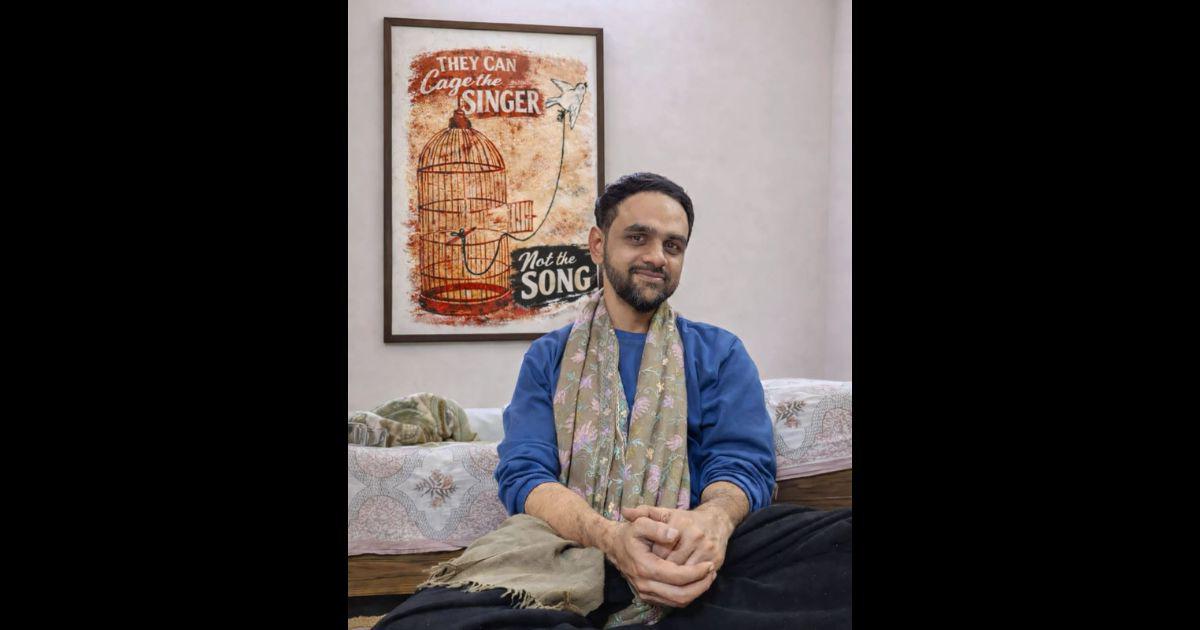
The Supreme Court of India has reaffirmed its decision by rejecting the review petition filed by activist Umar Khalid, who sought to challenge the court’s earlier ruling that denied him bail in the much-publicized Delhi riots conspiracy case. This latest ruling was delivered by a bench comprising Justices Aravind Kumar and NV Anjaria, who found no substantial grounds to reconsider their January 5 judgment.
Khalid, who has been in custody for over two years, was initially denied bail alongside fellow activist Sharjeel Imam. In contrast, other co-accused such as Gulfisha Fatima and Meeran Haider were granted bail on the same day, raising questions about the criteria applied in these cases. Khalid’s recent challenge to the court’s decision was dismissed on Thursday, but the details of the ruling were made public only on the following Monday.
This development marks a significant moment in Khalid’s ongoing legal battle, as he vocalizes the emotional toll of his detention. In a recent statement, he reflected on the confinement, expressing a sense of disconnection from the world around him—a sentiment that underscores the broader implications of prolonged incarceration on mental health and personal liberty.
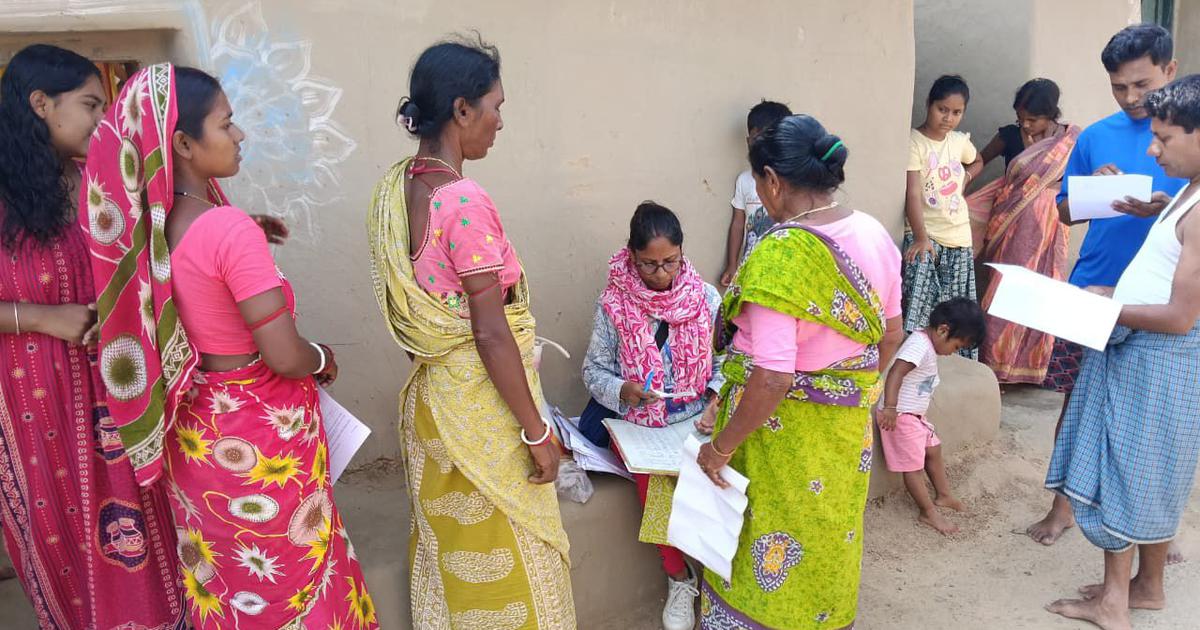
In another matter, the Supreme Court has expressed concern over the functioning of appellate tribunals set up in West Bengal. These tribunals were intended to address appeals regarding the removal of voters. Addressing the issue, the court has requested the Chief Justice of the Calcutta High Court to compile a report on the status and effectiveness of these tribunals, indicating a growing urgency to ensure electoral integrity and transparency in the region.
Chief Justice Surya Kant has voiced his dissatisfaction regarding the slow progress in these matters, highlighting the need for a more robust framework to handle electoral grievances. This is particularly crucial in light of ongoing debates about voter rights and representation in Indian democracy.
As both cases unfold, they reflect larger themes within India’s socio-political fabric—questions of justice, civil liberties, and the functioning of democratic institutions remain at the forefront of public discourse. Khalid’s plight and the issues surrounding West Bengal’s voter appeals are stark reminders of the challenges faced by activists and the legal system alike.