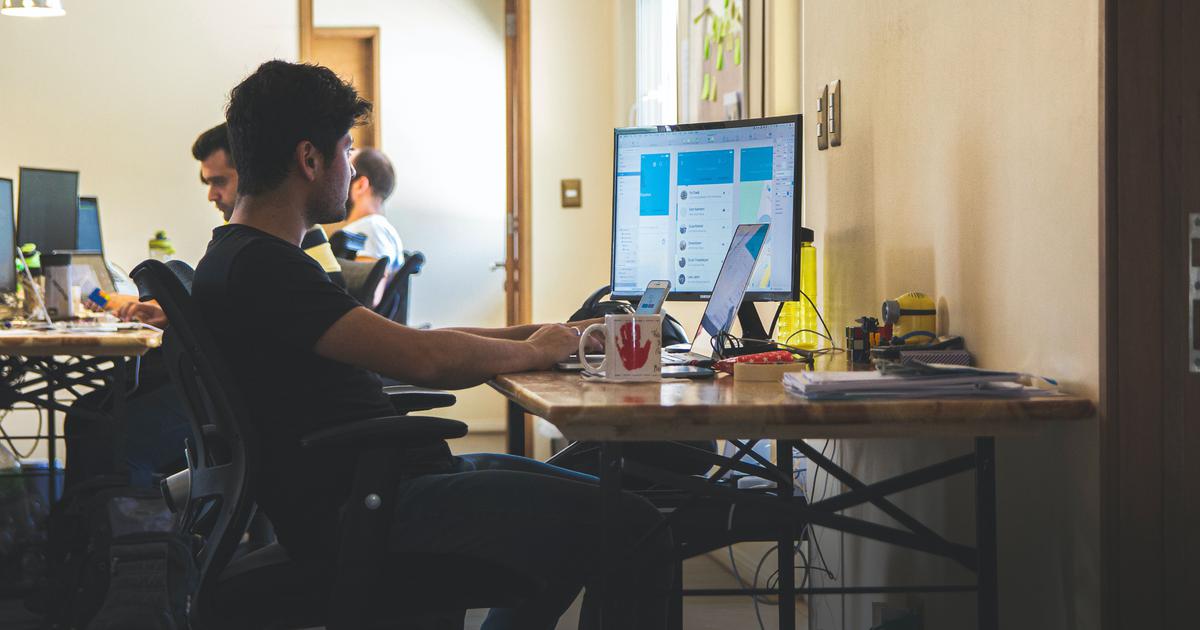
In today’s fast-paced world, especially in bustling Indian cities, the demands of work often lead to long hours spent sitting at desks. This sedentary lifestyle can take a toll on both physical and mental health, leading to various diseases and a reduced quality of life. With the World Health Organization recommending adults engage in at least 150 minutes of moderate physical activity each week, it’s alarming that a significant percentage of the global population fails to meet these guidelines.
In India, the situation is no different. A considerable number of urban adults find themselves trapped in a cycle of inactivity, primarily due to work routines that promote long periods of sitting. According to recent findings, a staggering 73% of adults worldwide do not meet the recommended activity levels, with a notable percentage of Indian adults falling into the category of physical inactivity. While many may still engage in light activities, such as walking or household chores, the absence of moderate to vigorous exercises can lead to serious health implications.
Physical inactivity is defined as not adhering to the minimum activity guidelines, which can significantly impair one’s health. Interestingly, being inactive doesn’t equate to being completely immobile; many engage in light daily activities yet fail to incorporate sufficient exercise into their routines. A common trend is that individuals who are physically inactive tend to spend an overwhelming amount of their time engaged in sedentary behaviors, primarily sitting.
Studies suggest that adults, on average, spend about six hours a day sitting. However, this figure may be an underestimate, as many rely on self-reported data. Observational studies have indicated that the actual time spent sitting can be even higher, especially for those in desk jobs or occupations that require prolonged periods of sitting. This trend of sedentary behavior is especially concerning in India, where the rise of IT and corporate jobs has led to an increased risk of lifestyle-related diseases.
To combat the adverse effects of prolonged sitting, it is crucial for Indian professionals to integrate physical activity into their daily routines. Simple strategies such as taking short breaks to stand or walk around during work hours, opting for stairs instead of elevators, and even incorporating stretching exercises can significantly improve overall health. Employers too have a role to play; creating a work environment that encourages movement, such as standing desks or designated break areas, can promote a culture of health and wellness.
In addition, community initiatives that encourage group activities, such as walking clubs or yoga classes, can foster a sense of camaraderie and motivation among individuals looking to lead healthier lives. By prioritizing physical activity and making it a part of everyday life, Indian workers can greatly enhance their mental well-being, decrease the risk of diseases, and ultimately increase their lifespan.