As India strides towards a greener future, the transition to renewable energy sources is garnering significant attention. The nation, with its vast potential for solar, wind, and hydroelectric power, stands on the cusp of an energy revolution. However, the journey towards a sustainable energy landscape is not without its hurdles.
India’s commitment to renewables stems from pressing environmental concerns and the need for energy security. With a population exceeding 1.4 billion, the demand for energy is soaring, driven by a burgeoning economy and urbanization. The government has set an ambitious target of achieving 500 GW of renewable energy capacity by 2030, a goal that reflects both aspirations and the seriousness of India’s climate commitments.
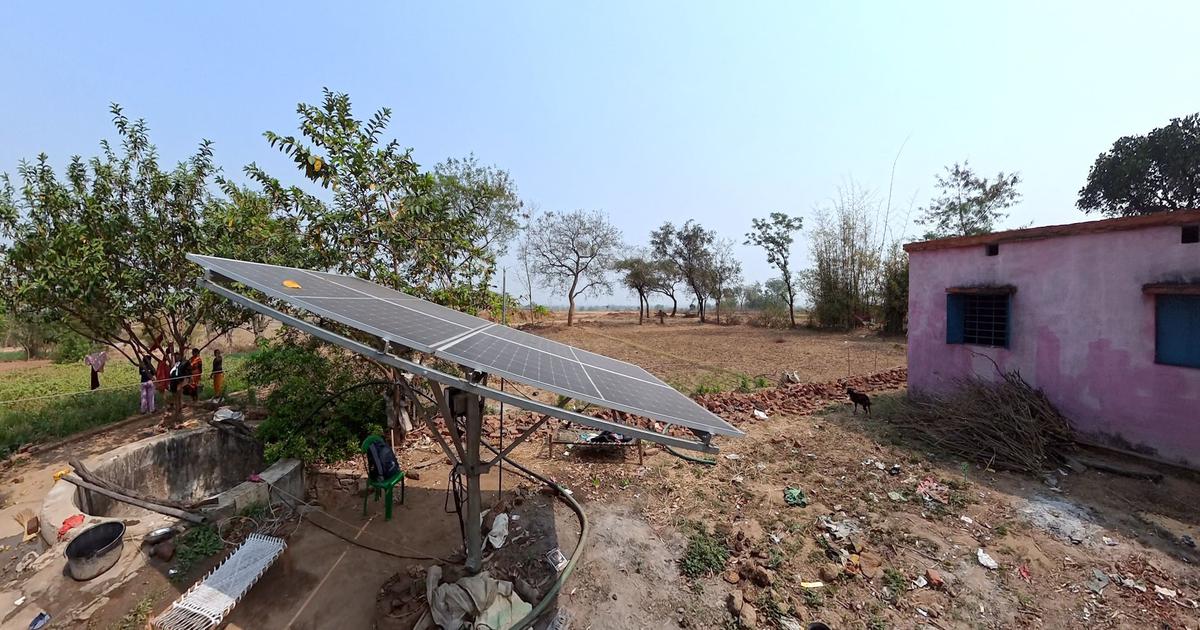
Solar energy, in particular, has emerged as a beacon of hope in this transition. With its geographic advantage, India receives ample sunlight throughout the year, making it an ideal location for solar farms. Initiatives like the International Solar Alliance and various domestic policies aim to harness this potential effectively. Moreover, the declining costs of solar technology have made it an attractive option for policymakers and investors alike.
Despite these promising developments, challenges loom large. The integration of renewable sources into the existing energy grid poses significant technical and infrastructural challenges. Traditional energy grids, largely designed for fossil fuels, struggle to accommodate the intermittent nature of renewable energy. Hence, enhancing grid infrastructure and developing robust energy storage solutions become critical.
Additionally, financial barriers continue to impede progress. While investments in renewables are increasing, uncertainties surrounding policy consistency and regulatory frameworks can deter potential investors. Ensuring a stable and transparent environment for renewable energy projects is essential to attract both domestic and foreign investments.
Moreover, socio-economic factors cannot be overlooked. The transition to renewable energy must be inclusive, ensuring that the benefits reach all sections of society, especially marginalized communities. Job creation in renewable sectors offers a pathway to economic empowerment, but it requires skilling and reskilling initiatives to prepare the workforce for new opportunities.
In conclusion, India’s quest for renewable energy is a multifaceted journey filled with promise and challenges. While the potential for a sustainable energy future is undeniable, achieving it will necessitate concerted efforts from government, industry, and civil society. With the right policies, investments, and public engagement, India can harness its renewable resources to power a greener and more prosperous tomorrow.