The Psychology Behind Political Culture: Why Governance Is Shaped by Behavior More Than Policy
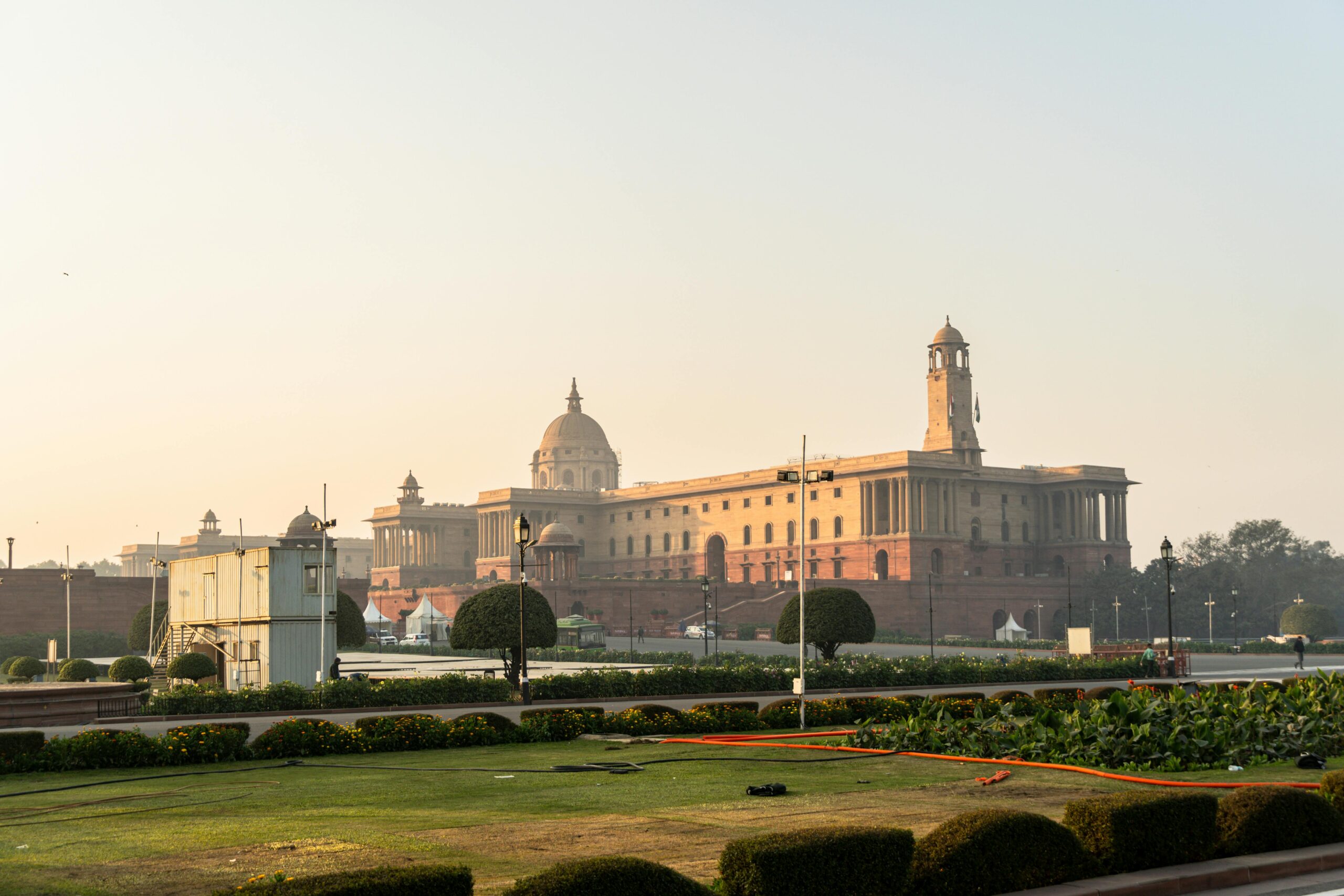
Political systems are often analyzed through constitutions, laws, institutions, and leadership structures. Yet beneath every framework lies a powerful force that is frequently overlooked: human behavior. Governance does not operate in isolation from psychology. It is shaped by how individuals perceive authority, respond to incentives, build trust, exercise responsibility, and engage with public institutions. Political culture is not created by policy documents alone. It develops through repeated behavioral experiences over time, forming expectations about how power is used, how accountability functions, and how citizens interact with the state. Understanding governance without understanding behavior is similar to studying markets without understanding decision making. This is why countries with similar legal systems often produce very different outcomes. Some institutions function with efficiency and public confidence, while others struggle with inefficiency, corruption, or disengagement. The difference rarely lies in written rules alone. It lies in the psychological environment surrounding those rules.
Every political decision is ultimately a human decision. Leaders operate under pressure, public scrutiny, incentives, fear of loss, and concerns about reputation. Behavioral research consistently shows that people do not always act rationally but follow predictable psychological patterns influenced by bias, social norms, and perceived consequences. Power itself can alter behavior. When individuals hold authority, the perceived cost of mistakes often decreases while influence over outcomes increases. Without strong accountability systems and ethical norms, this imbalance can encourage short term thinking, avoidance of responsibility, or protection of personal status over institutional improvement. This does not suggest wrongdoing is inevitable. It highlights the importance of designing governance systems that account for real human psychology rather than idealized assumptions.
Institutions, like individuals, develop habits over time. Processes that once ensured stability can gradually become barriers to efficiency when routine replaces reflection. Delays become normal, inefficiencies are accepted, and risk avoidance becomes standard behavior. As these patterns settle in, they shape institutional culture. This explains why reform is often difficult even when policies change. Structural adjustments alone rarely succeed unless behavioral norms also shift. Long term improvement occurs when transparency is culturally expected, ethical conduct is reinforced, performance is rewarded, and misuse of authority carries clear consequences.
Citizens play an equally important role in shaping political culture. Public engagement is strongly influenced by trust. When individuals believe institutions listen and act fairly, participation rises. When experiences repeatedly suggest indifference or inefficiency, apathy grows. Behavioral studies show that people disengage when effort feels meaningless and cooperate when outcomes feel transparent. Civic responsibility therefore depends not only on values but also on lived experiences with governance systems. In today’s digital environment, perception spreads faster than policy impact, and emotional narratives often influence public opinion more quickly than administrative results. This makes trust a central psychological component of modern governance, where institutions operate not only on performance but also on credibility.
Culture itself becomes the invisible framework of governance. When public services are reliable, respect for institutions grows. When accountability is weak, tolerance for misuse of power increases. When merit is rewarded, competence rises. When favoritism dominates, morale declines. Over time, these experiences become expectations that guide behavior automatically. This explains why governance quality varies widely even among regions with identical legal structures. One operates on trust and responsibility, another on cynicism and loopholes. The difference lies in collective psychology.
Modern governance challenges are becoming more complex as societies grow more connected and public expectations rise. In this environment, policy design alone is insufficient. Effective governance increasingly depends on understanding incentives, trust dynamics, behavioral responses to power, and social norms that sustain institutions. Countries that integrate behavioral insights into reform efforts often see stronger results because systems align with how people actually think and respond rather than idealized rational models. Improving political culture therefore requires a shift in perspective. Governance must be viewed not only as a legal structure but also as a behavioral ecosystem where psychology continuously shapes outcomes. Policy can initiate change, but behavior sustains it. Political systems are built by laws, but they live through human behavior. Power, trust, incentives, and cultural norms quietly guide how governance functions every day, and understanding these forces is essential for creating institutions that are resilient, effective, and worthy of public confidence.