




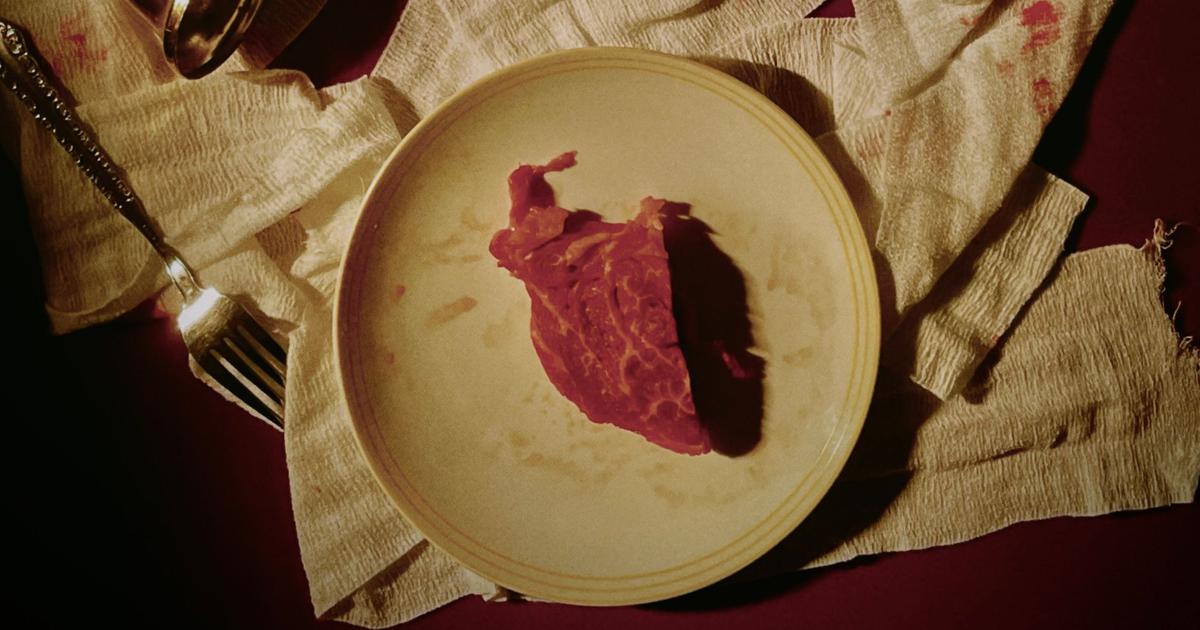
Horror fiction is experiencing a fascinating shift, with a distinctive trend emerging: the portrayal of female cannibals. This new wave of literature is redefining traditional horror tropes and challenging societal norms, especially through a feminist lens. Recent novels, such as Monika Kim’s The Eyes are the Best Part and Delilah S. Dawson’s Bloom, delve into the psyche of women who reclaim their power in the most unsettling ways.
In The Eyes are the Best Part, scheduled for release in 2025, readers encounter a college student who takes a literal bite out of the men who objectify her by consuming their eyeballs. This shocking act serves as a metaphor for the male gaze and reflects the frustration many women feel in a society that often reduces them to mere objects of desire. Similarly, in Bloom, Dawson introduces a love interest who crafts organic products that include human body parts, blending rustic charm with horror in a chilling commentary on consumerism and exploitation.
Chelsea G. Summers’ A Certain Hunger, released in 2021, features a food critic with no qualms about cooking her lovers—a narrative that raises questions about power dynamics in relationships. These novels, along with works from authors like Lucy Rose and Olivie Blake, signal a growing trend of female-centered cannibal narratives that explore themes of anger, violence, and resistance against patriarchal structures.
While cannibalism has long been a theme in horror—with iconic characters like Leatherface from The Texas Chain Saw Massacre and Hannibal Lecter from The Silence of the Lambs leading the charge—the recent surge of female-authored cannibal tales stands out for their feminist undertones. They present complex characters who embrace their monstrous sides and showcase the struggle for autonomy in a world that often seeks to suppress them.
The horror genre has historically thrived during periods of societal anxiety, and this current trend reflects the contemporary cultural landscape. Just as authors like Ann Radcliffe and Charlotte Perkins Gilman used their work to explore the fears of their times, today’s female writers are using horror to articulate the frustrations and anger experienced by many women today. The female cannibal has emerged as a radical figure—one who not only survives but also thrives through her defiance.
As these narratives continue to unfold, they challenge readers to confront uncomfortable truths about identity, gender dynamics, and the nature of violence. The rise of female cannibals in horror fiction is not merely a passing trend; it’s a powerful commentary on the complexities of womanhood and a bold reclamation of agency in literature. For Indian readers, who have their own rich tradition of storytelling and mythological figures that embody both horror and moral lessons, this new wave of horror fiction offers a fresh lens to explore the modern complexities of womanhood and empowerment.

