




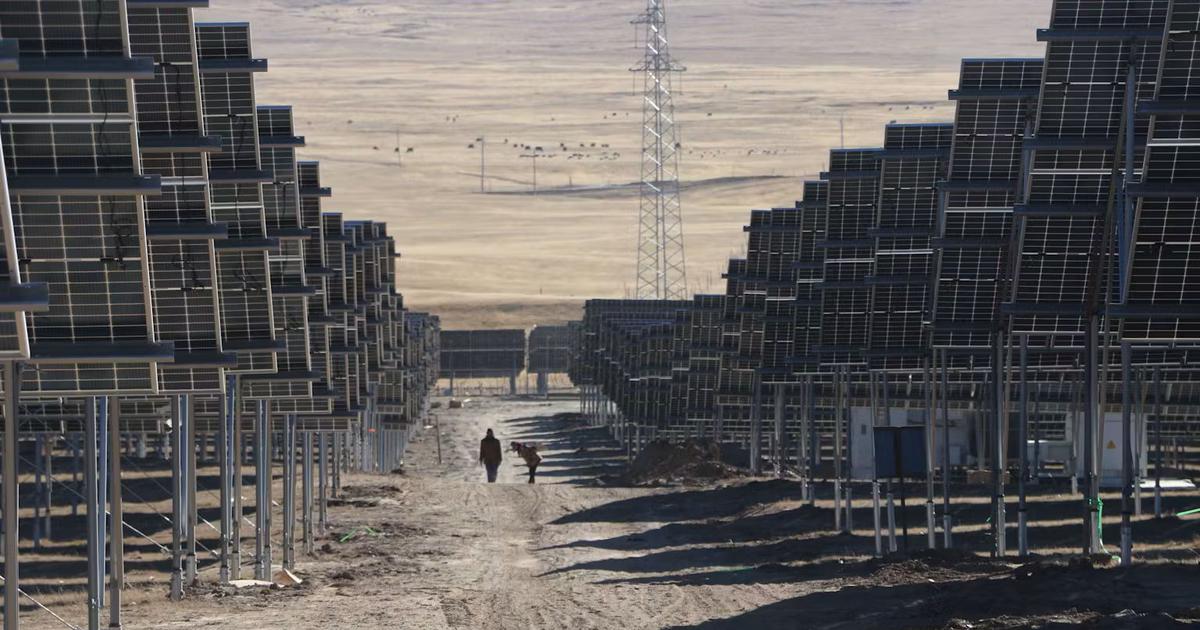
In an era where renewable energy is becoming paramount, the Tibetan Plateau is witnessing a transformative shift as China undertakes the construction of some of the largest solar and wind farms in the world. This region, historically inhabited by nomadic tribes who have grazed livestock for centuries, is now at the intersection of tradition and modernity. The expansion of renewable energy initiatives has raised questions about the impact on these indigenous communities and their way of life.
Since the mid-1990s, Tibetan regions have been pivotal in China’s renewable energy strategy, particularly with the establishment of hydropower stations. However, with the advent of large-scale solar farms and wind energy projects, the unique pastoral lands of Tibet are being radically altered. The vast, open landscapes and high elevations of the plateau have made it a prime location for harnessing solar and wind energy, leading to significant changes in the local ecosystem and lifestyle.
As part of an ethnographic study, I engaged with the nomadic communities residing approximately 161 kilometers southeast of Xining, the capital of Qinghai province. The area has seen an influx of energy infrastructure since 2017, with companies like PowerChina erecting solar power plants capable of generating around 1 gigawatt of electricity, along with numerous wind turbines scattered across the once-pristine grasslands. It’s important to note that these grasslands are not barren; they are thriving expanses where Tibetan herders have tended to yaks and sheep for generations.
While solar and wind farms are often established in arid regions, the transformation of productive grazing lands into energy hubs raises complex issues surrounding land use and community displacement. Many locals express a mix of concern and adaptation, recognizing the potential economic benefits of renewable energy while also fearing the erosion of their traditional lifestyles. The grasslands have been a source of livelihood, culture, and identity, and the encroachment of industrial developments could threaten this delicate balance.
The journey of Tibetan nomads into this new energy landscape highlights a broader narrative of how indigenous communities are navigating the pressures of modernization. Conversations with the locals reveal an interplay between resilience and adaptation, as they strive to maintain their cultural heritage amidst the rapid changes brought by the renewable energy boom. As China continues to invest in these green initiatives, the challenge remains to find a sustainable path that respects the traditions of nomadic herders while embracing the future of energy production.

