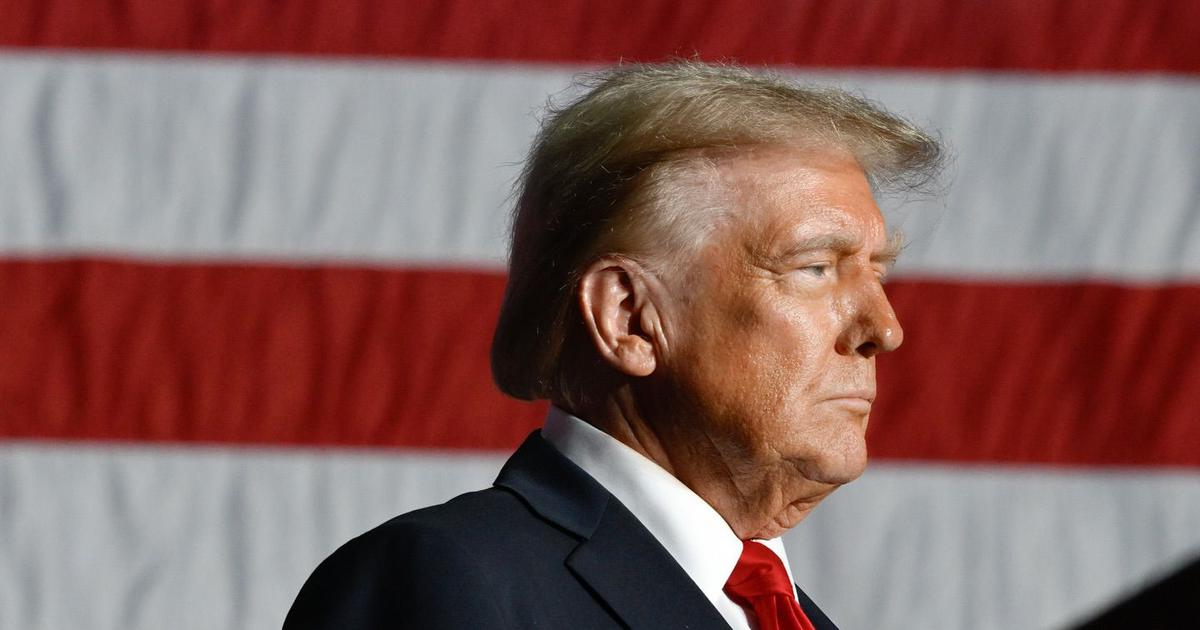
In a stark warning to Tehran, U.S. President Donald Trump stated that if Iran were to disrupt the flow of oil through the crucial Strait of Hormuz, the United States would respond with unprecedented force. In a social media post on Tuesday, Trump declared that the U.S. would retaliate against Iran ‘TWENTY TIMES HARDER’ and vowed to target strategic locations that could irreparably damage Iran as a nation.
This threatening message comes amid escalating tensions in the West Asian region following a series of military engagements between Iranian forces and a U.S.-Israeli coalition. On March 2, Iran announced that it had effectively ‘closed’ the Strait of Hormuz to shipping operations, issuing a stern warning that any vessels attempting to navigate through this vital maritime passage would face dire consequences.
The Strait of Hormuz is a critical chokepoint for international oil trade, with nearly 20% of the world’s oil supplies passing through it. The announcement of its closure is a significant escalation in the ongoing conflict, which has roots in both geopolitical rivalries and long-standing animosities. Following the appointment of Mojataba Khamenei as Iran’s new supreme leader, there were indications that Tehran might maintain this aggressive posture regarding the Strait, as reported by AFP.
Trump’s comments reflect a broader strategy of military readiness and deterrence, which he claims will continue until Iranian forces are ‘totally and decisively’ defeated. He had previously hinted that the conflict could reach a resolution ‘very soon,’ but his recent statements suggest a more hardline approach is being adopted. This duality in messaging points to the unpredictable nature of U.S. foreign policy in the region, particularly regarding its sanctions and military operations against Iran.
The ongoing military operations are framed as a response to what the U.S. describes as Iranian provocations, including direct attacks on U.S. and Israeli interests. As the situation develops, the potential for further conflict remains high, with implications not only for Iran and its immediate neighbors but also for global oil markets and international trade.