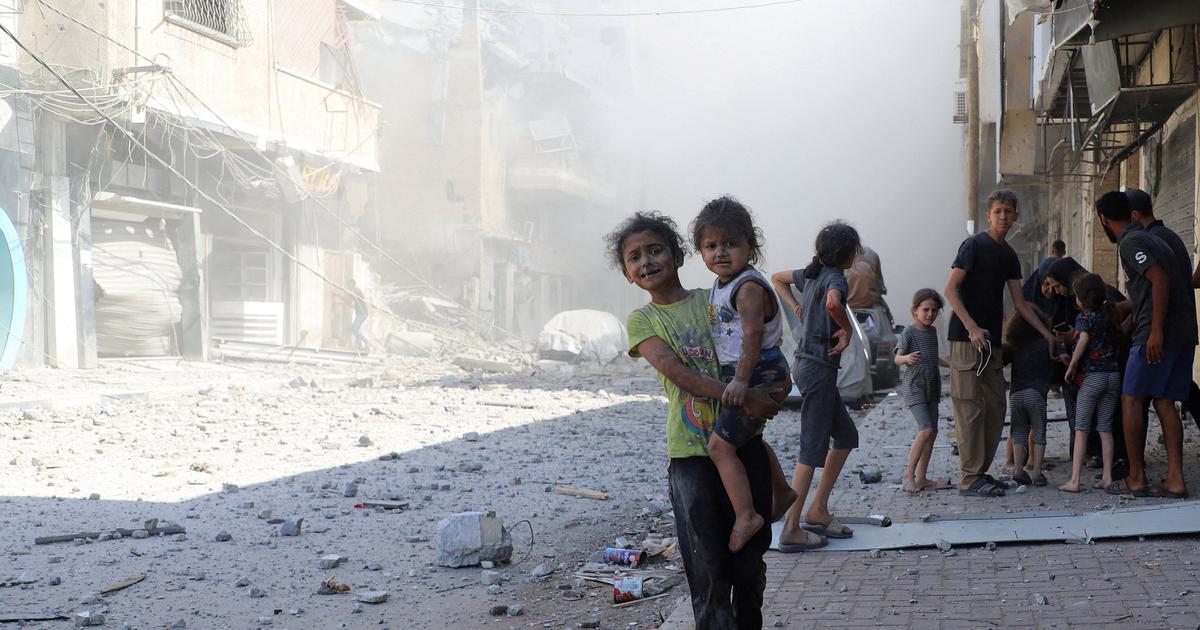
A recent report by the United Nations has raised alarming accusations against Israel, asserting that the nation has intentionally targeted Palestinian children amid the ongoing conflict that erupted in October 2023. This document, generated by the UN Independent International Commission of Inquiry on the Occupied Palestinian Territory, including East Jerusalem and Israel, has been vehemently dismissed by the Israeli authorities. The findings, which detail a catastrophic toll on children’s lives, have been described as ‘unprecedented’ in scale.
While the report itself does not have the power to prosecute any individuals, it is notable for its potential implications in the realm of international law. The evidence compiled may serve to strengthen claims against alleged violations, contributing to an increasing body of documentation that calls for accountability in the region. The commission, established by the UN Human Rights Council in May 2021, operates with a wide-reaching mandate focused on investigating all purported breaches of humanitarian and human rights laws occurring in Israel and the Occupied Palestinian Territories.
Since the onset of hostilities initiated by Hamas’s attack on October 7, 2023, the commission has released multiple reports, including analyses of the impact on Israeli children. However, the latest findings are particularly significant as they delve into the repercussions of Israeli military actions on Palestinian youth from October 2023 to March 2026. These insights shine a light on the devastating consequences of conflict on the most vulnerable populations, drawing attention to a humanitarian crisis that transcends borders.
The commission’s inquiries have also included efforts to gather information from various sources, including the State of Palestine, aiming to create a comprehensive picture of the ongoing situation. This investigative body’s work is crucial, given the scope and implications of the conflict, as it endeavors to preserve evidence for future accountability. In a region already fraught with tension and division, the targeting of children presents a particularly troubling narrative that resonates deeply with global audiences, especially in nations like India, where the plight of children in conflict zones often raises significant concern.
The international community is now watching closely as the situation unfolds. The UN report not only serves as a critical reflection on the current state of affairs in Gaza but also poses fundamental questions about the responsibilities of nation-states in armed conflicts. How can the international community ensure the protection of children amidst warfare? What legal frameworks can be strengthened to hold accountable those responsible for such grievous acts? As discussions around these issues continue, the report underscores the need for urgent humanitarian assistance and the safeguarding of children’s rights in conflict zones, a sentiment that resonates strongly among Indian citizens who have long advocated for peace and protection for the vulnerable.