On December 18, 1961, an audacious mission unfolded as Lieutenant Noel Kelman led a group of Indian naval recruits toward Anjediva Island, a territory held by the Portuguese off the coast of Goa. This event was not just a military operation; it represented the final chapter in a long saga of colonial rule that had lasted for 450 years.
Part of Operation Vijay, Kelman and his 80-member beach-landing team were tasked with reclaiming Goa, a region that had been under Portuguese control since the early 16th century. The Indian Navy’s approach was marked by a sense of confidence, especially after earlier reconnaissance aboard the INS Trishul, where lookouts had spotted a white flag flying atop a nearby hill. Traditionally, a white flag signifies truce or surrender, but as they drew near, the reality was starkly different.
Instead of capitulation, the Portuguese garrison opened fire with machine guns, turning what was meant to be a straightforward operation into a fierce exchange of gunfire. Tragically, five sailors lost their lives that day, and Lieutenant Kelman himself was hit in both thighs. Despite the pain, he pressed on, maneuvering his boat in a zigzag pattern to evade incoming bullets, embodying the valor and determination that the mission demanded.
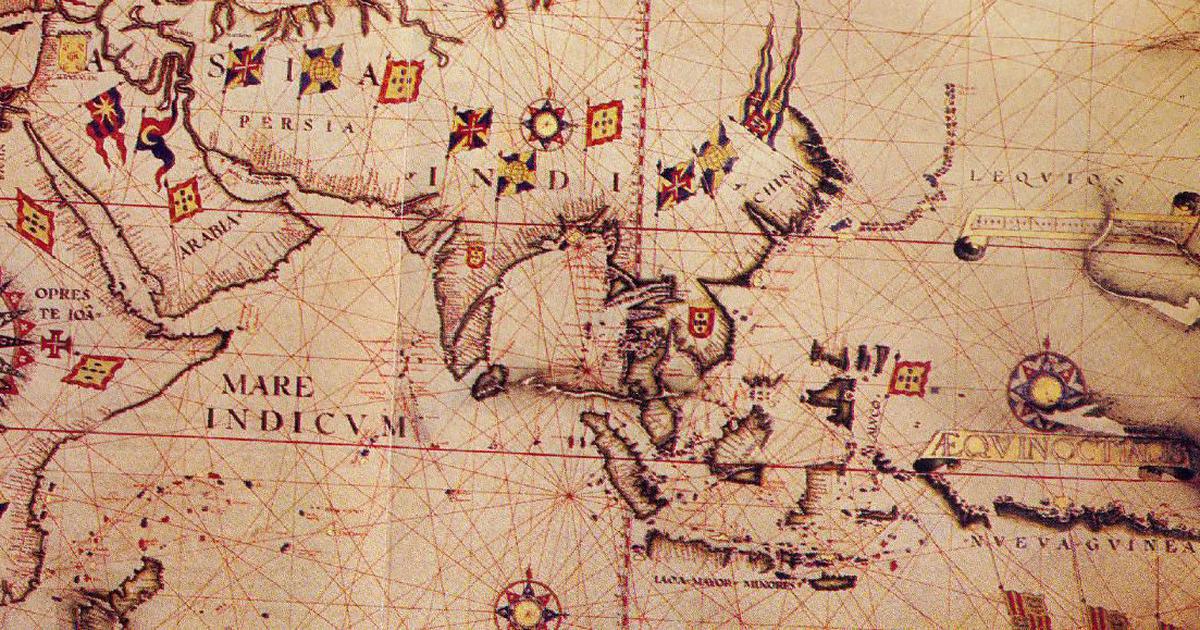
This moment is a poignant reminder of the complex history between India and its colonizers, with the Portuguese being the first European power to establish a foothold in the subcontinent. Their legacy still echoes in various aspects of Indian culture, from architecture to cuisine, but it’s also a reminder of the struggle for independence that shaped modern India.
As we reflect on this event, we see not just a military operation but a turning point in a long-standing struggle against colonial rule. The reclaiming of Goa was a significant milestone, marking the end of an era and the beginning of a new chapter in India’s history.