Unraveling the Legacy of ‘Badluram ka Badan’: The Marching Song Inspired by the Battle of Kohima
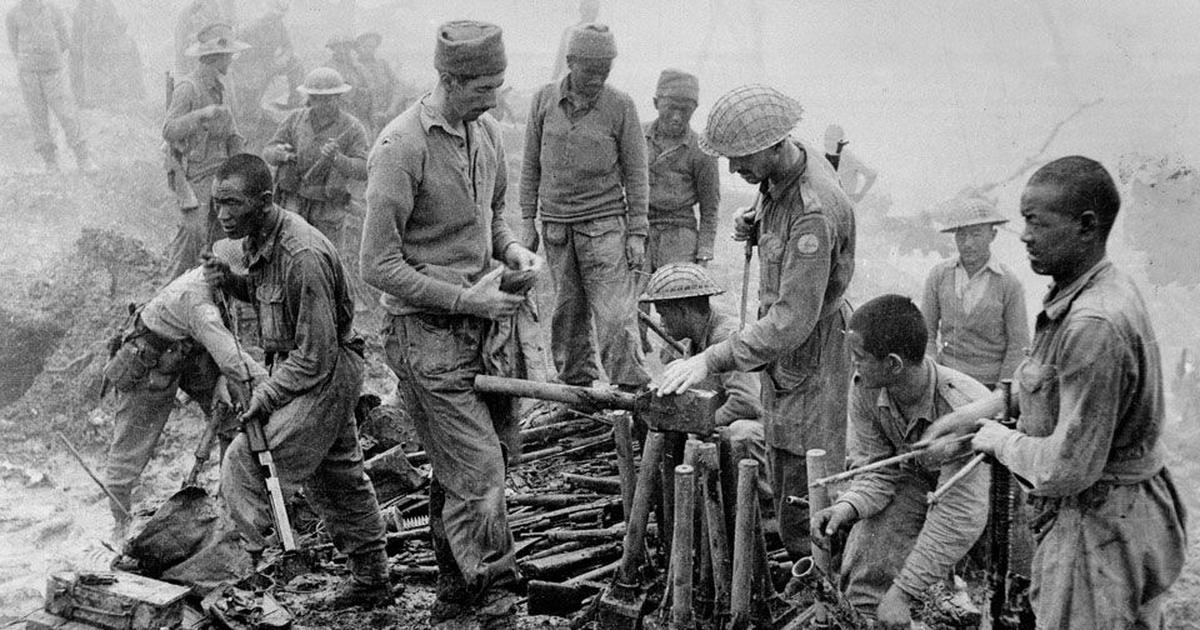
The Battle of Kohima, fought between April 4 and June 22, 1944, stands as one of the most significant and brutal confrontations of World War II, etched in the annals of military history. Nestled in the hilly terrains of northeastern India, this battle not only showcased the valor of Indian and British troops but also gave rise to cultural artifacts like the iconic marching song ‘Badluram ka Badan’.
As the war escalated in the Pacific theatre, the Japanese forces aimed to capture Kohima, a strategic point that served as a crucial lifeline between Dimapur and Imphal. Under the command of Lieutenant General Kotoku Sato, approximately 15,000 troops of the Japanese 31st Division launched an aggressive campaign through challenging jungle landscapes. Their objective was to encircle Kohima, crippling the British-Indian garrison, which numbered around 1,500, comprised mainly of the Queen’s Own Royal West Kent Regiment, the Assam Regiment, and various other units.
From the outset, the Japanese forces executed bombardments and night raids, gradually pushing the defenders back towards Garrison Hill. The struggle escalated into intense trench warfare, with hand-to-hand combat marking the most ferocious encounters, especially around the Deputy Commissioner’s bungalow where the opposing forces were separated by the width of a tennis court. As the days wore on, the defenders found themselves on the brink of collapse by mid-April.
In a desperate bid to regain control, the British command dispatched the 2nd British Division, which arrived on April 18 after a treacherous journey by rail and air. Their timely intervention proved crucial as they cleared the Japanese roadblock near Zubza, allowing reinforcements and supplies to flow into the beleaguered garrison. The battle raged on, with both sides exhibiting unparalleled bravery, transforming Kohima into a symbol of resilience.
Amidst the chaos and bloodshed, ‘Badluram ka Badan’ emerged as a poignant tribute to the indomitable spirit of the defenders. This song, which encapsulates the emotions and experiences of soldiers, has transcended time, becoming a source of inspiration for generations. The legacy of the Battle of Kohima, along with its accompanying cultural expressions, continues to resonate in India’s collective memory, reminding us of the sacrifices made during one of the defining conflicts of the 20th century.