Unveiling Open Defecation in India: A Reflection from ‘The White Tiger’ to Contemporary Times
In Aravind Adiga’s acclaimed novel, The White Tiger, a striking scene captures the harsh reality of open defecation in India. With the characters depicted as forming a line of desperation in front of a slum, the author paints a vivid picture of a community marginalized yet pivotal in the bustling metropolis of Delhi NCR. This portrayal serves as a powerful reminder of the persistent challenges that face urban India, making it a relevant topic to revisit as we explore the historical and social implications of open defecation.
The depiction of men defecating in the open, likened to an insurmountable defense against the encroaching wealth of the city, starkly contrasts with the luxurious lives of the affluent. The vivid imagery of a slum inhabited by those constructing lavish homes for the elite, while they themselves are confined to tents draped with blue tarpaulin, underscores the deep socio-economic divide that characterizes contemporary Indian society. In this gritty setting, the overpowering stench of human waste mingles with that of industrial sewage, portraying a grim reality that many Indians face daily.
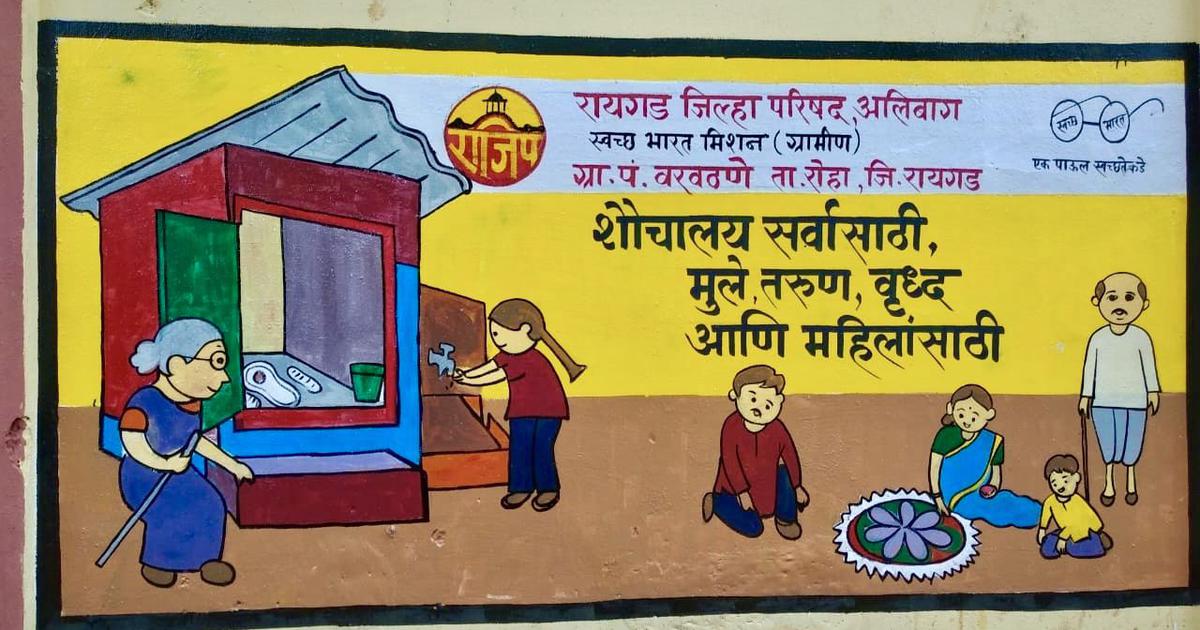
Open defecation, a practice that has persisted through the ages, highlights the systemic issues of urban planning, poverty, and sanitation in India. Despite the government’s strides toward achieving a ‘Swachh Bharat’ (Clean India), the problem remains stark in many areas. Adiga’s work resonates with readers, not just as a narrative of an individual’s quest for upward mobility, but as a broader commentary on the societal neglect that allows such practices to continue. The novel’s release in 2008 marked a pivotal moment in Indian literature, shedding light on the darker underbelly of urbanization.
One cannot discuss the issue of open defecation without acknowledging its historical roots in British India, where colonial policies often marginalized indigenous practices and communities. As cities expanded, so did the neglect of basic sanitation facilities for the poorer sections of society. Today, as India grapples with rapid urbanization, the remnants of this historical oversight can still be seen in many slums, where sanitation facilities remain woefully inadequate.
Moreover, the rise of narratives like The White Tiger signifies a critical evaluation of the capitalist ethos that drives India’s growth. While the nation celebrates economic advancements, the book challenges readers to confront the realities that many continue to endure. The visceral and unflinching realism presented by Adiga serves not only as a narrative device but as a wake-up call to society to address the urgent need for comprehensive sanitation solutions. As the nation marches towards modernization, it is crucial to ensure that progress is inclusive, leaving no one behind.