The White House has confirmed that the United States military has not escorted any commercial vessels through the Strait of Hormuz, following confusion sparked by a social media post from U.S. Secretary of Energy Chris Wright. The press secretary, Karoline Leavitt, made it clear that Wright’s earlier claim about successfully escorting an oil tanker was inaccurate and subsequently deleted.
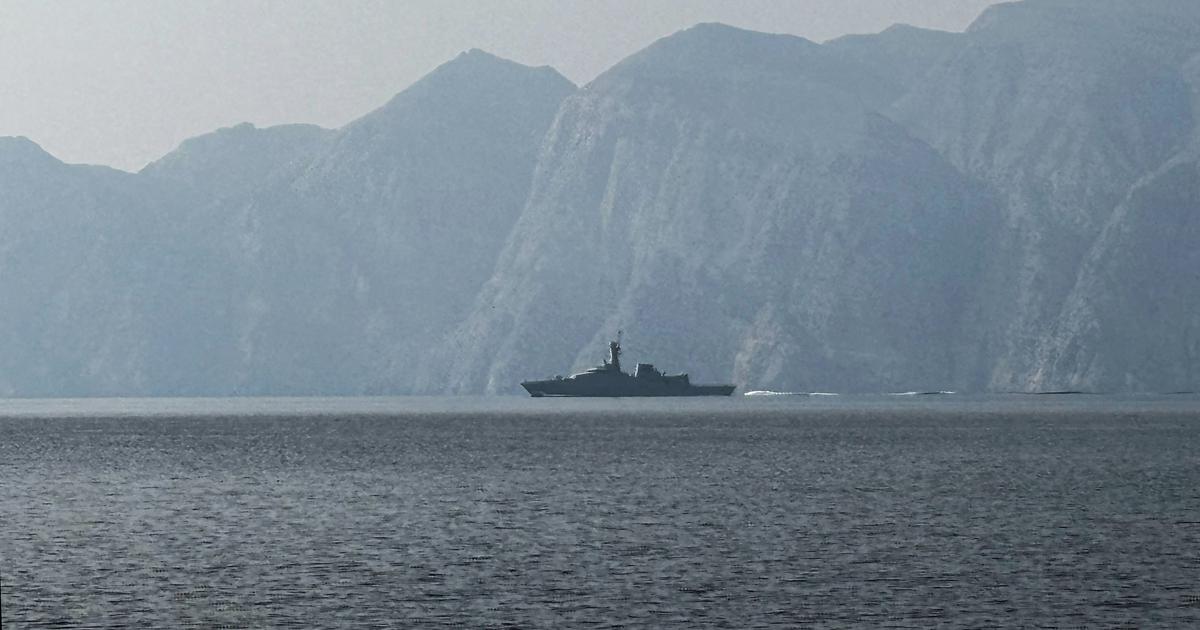
This clarification comes at a critical time as tensions escalate in the West Asia region, affecting global shipping routes. The Strait of Hormuz, a vital waterway connecting the Gulf to the Arabian Sea, is responsible for about 20% of the world’s oil supply. With conflicts intensifying, the importance of securing free navigation through this chokepoint has become a pressing concern for many nations.
In a related development, the U.S. military reported that it had targeted and destroyed multiple Iranian naval vessels, including 16 minelayers, in operations near the Strait. These actions highlight the ongoing military confrontations in the area, reflecting a broader strategy to ensure maritime security amidst rising threats.
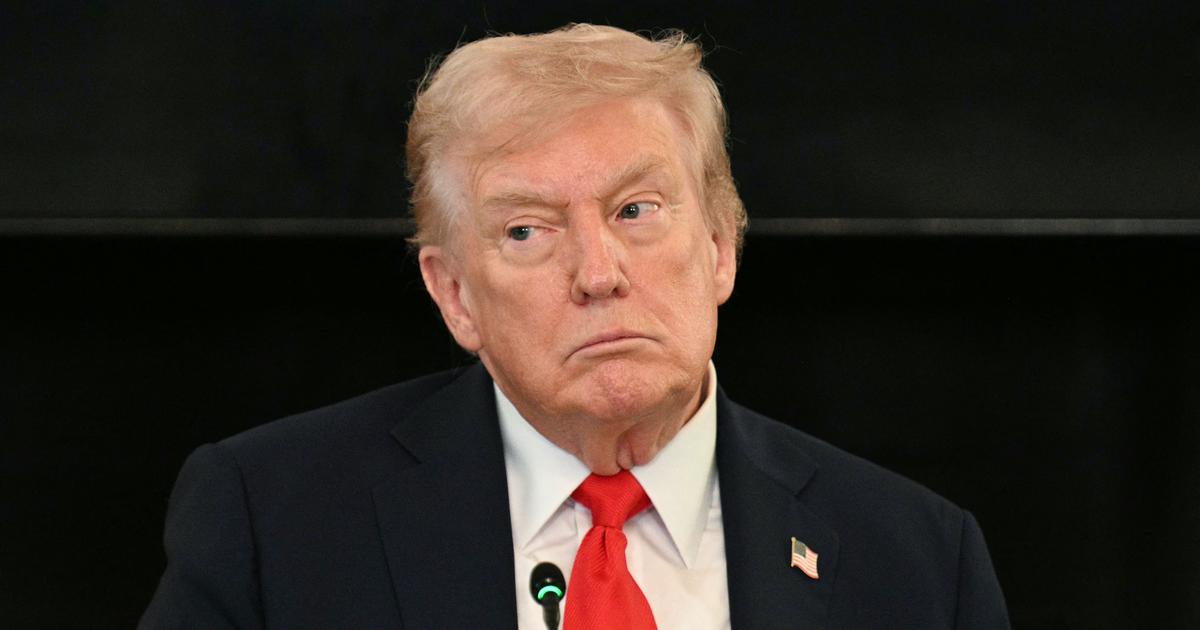
Interestingly, just before the White House’s clarification, President Donald Trump remarked on the situation, warning that the United States would retaliate against Iran “twenty times harder” if provoked further. This statement underscores the volatile nature of U.S.-Iran relations, which have been fraught with tension for years.
<pAs the situation develops, eyes remain on the U.S. Navy and its role in protecting shipping lanes critical to global commerce. With the Strait of Hormuz being such a pivotal passageway, the dynamics of international relations in this region will be closely watched by markets and governments alike.