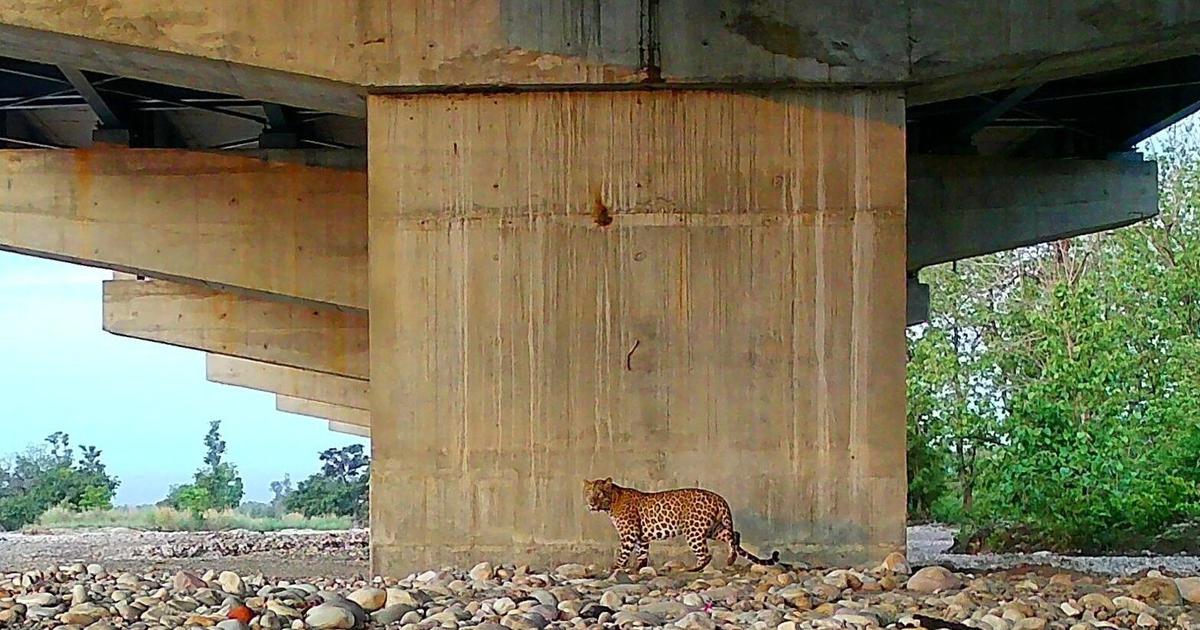
The Wildlife Institute of India (WII) has reported promising initial findings indicating that wildlife is beginning to utilize underpasses along the newly inaugurated Delhi-Dehradun Economic Corridor. This 200-kilometer expressway, which has been operational since early 2025, aims to facilitate smoother travel while addressing critical environmental concerns.
A research team focused on a vital 20-kilometer stretch of this expressway, which is situated within the Terai ecosystem, a rich biodiversity hotspot that hosts species such as elephants, tigers, great hornbills, and king cobras. The initiative of constructing these underpasses, which span approximately 10.97 kilometers of the studied area, is aimed at alleviating animal fatalities, minimizing human-animal conflicts, and preventing the isolation of wildlife populations, thereby promoting a healthier coexistence between wildlife and infrastructure.
This stretch is part of the expansive Rajaji-Shivalik landscape, where the intersection of highways, residential areas, and other forms of linear development pose challenges to the natural migratory paths of elephants between the Rajaji Tiger Reserve and other surrounding forested regions. The study, which commenced following the expressway’s opening, has provided researchers with an opportunity to assess the impact of human infrastructure on local wildlife.
To gather data, the research team categorized the corridor into three distinct zones – a riverbed area, a hilly region, and a sal forest section. They employed a comprehensive method involving the installation of 150 camera traps positioned strategically on the underpasses. These cameras operated from May 16 to June 24, 2025, capturing invaluable footage over a 40-day period. Additionally, 29 AudioMoth acoustic recorders were placed throughout the zones to monitor ambient traffic noise, enabling researchers to study its potential effects on wildlife behavior and the utilization of the underpasses.
The early evidence collected from this meticulous study suggests a gradual acceptance of these structures by the wildlife in the area, showcasing an important step towards the successful integration of ecological considerations in infrastructural development. This not only highlights the importance of wildlife-friendly design in major highway projects but also sets a precedent for future initiatives aimed at preserving India’s rich biodiversity amidst rapid urbanization.