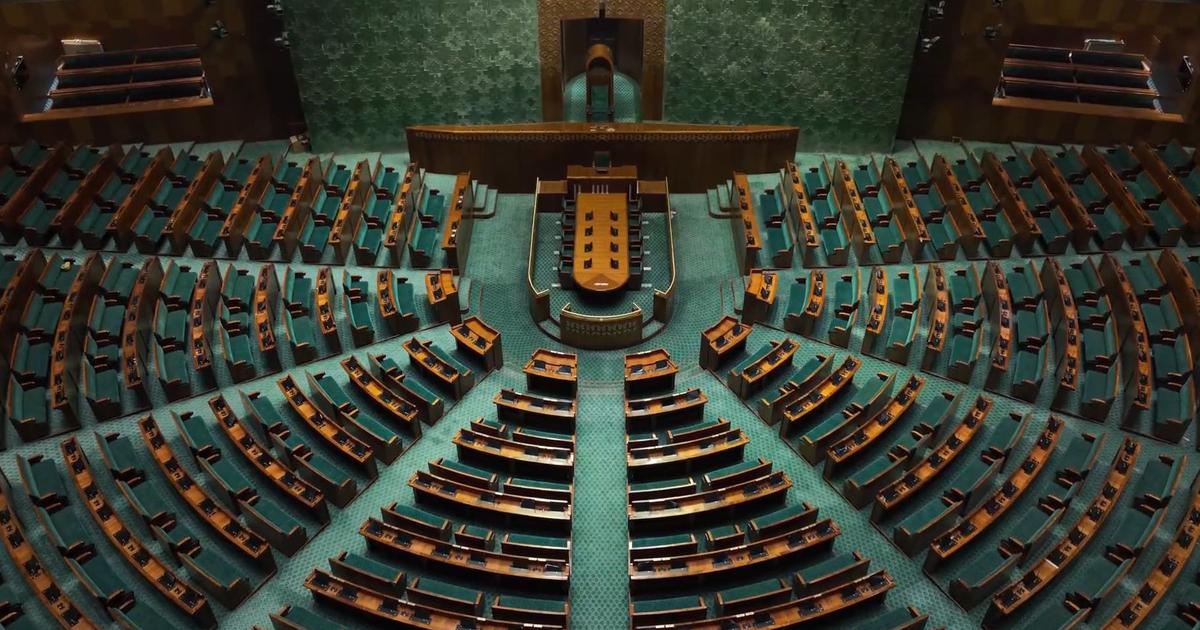
The landscape of Indian politics has seen women making significant strides, particularly at the local level. Today, over 1.5 million women hold elected positions in Panchayati Raj Institutions (PRIs) across the nation. This remarkable achievement is largely due to the reservation policies implemented by various states, which allocate between one-third to half of the seats in these local bodies specifically for women. However, when we shift our focus to national representation, the picture becomes considerably less rosy.
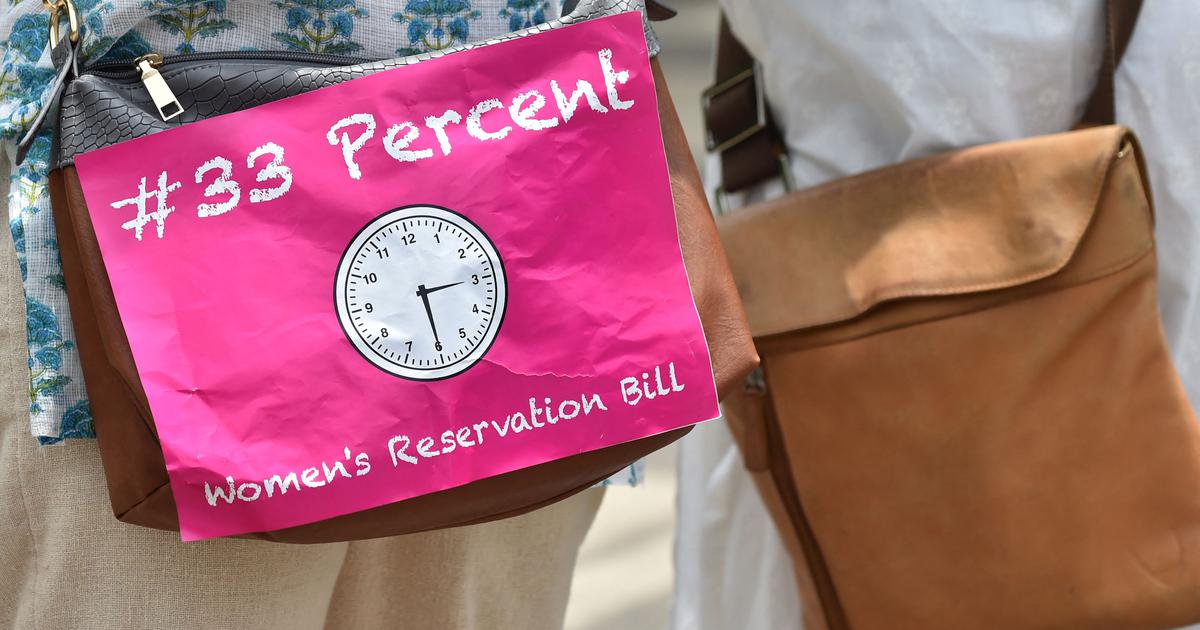
Currently, women constitute only 13.8% of the members in the 18th Lok Sabha, a stark contrast to their representation at the grassroots level. This disparity highlights the ongoing challenges that women face in climbing the political ladder in India. The Constitution (106th Amendment) Act, 2023 aimed to address these challenges by proposing 33% reservation for women in both the Lok Sabha and state assemblies. However, the implementation of this amendment has been postponed until after a delimitation exercise, which is scheduled for 2026, as reported by IndiaSpend.
In a recent statement, Prime Minister Narendra Modi emphasized the importance of women’s reservation, announcing, “On the 16th of April, Parliament will be convened to discuss and pass an important bill that advances women’s reservation.” He urged for the upcoming 2029 Lok Sabha elections and future state assembly elections to take place with the women’s reservation in effect, underscoring the necessity of equitable representation in governance.
The groundwork for women’s political empowerment in India was laid back in 1992 with the enactment of the 73rd Amendment to the Constitution. This landmark legislation reserved a third of the seats for women in rural and urban local bodies, thereby ensuring that women and marginalized groups, including scheduled castes and tribes, were given a voice in local governance. This move has undoubtedly fostered a new generation of women leaders who are stepping up to the challenge of political participation. Yet, the journey toward achieving similar representation at national levels continues to be daunting.
While the success of women in PRIs serves as an encouraging sign, the transition to higher echelons of governance remains fraught with obstacles. Cultural norms, lack of resources, and entrenched patriarchal values still hinder women from ascending the political hierarchy. As discussions around women’s reservation gather momentum, it is critical for stakeholders to recognize the importance of creating a supportive environment that not only encourages but also facilitates the active participation of women in politics. Without such measures, the promise of equality in political representation may remain unfulfilled.