A Historic Encounter: Mulk Raj Anand and WEB Du Bois at the Afro-Asian Writers Conference
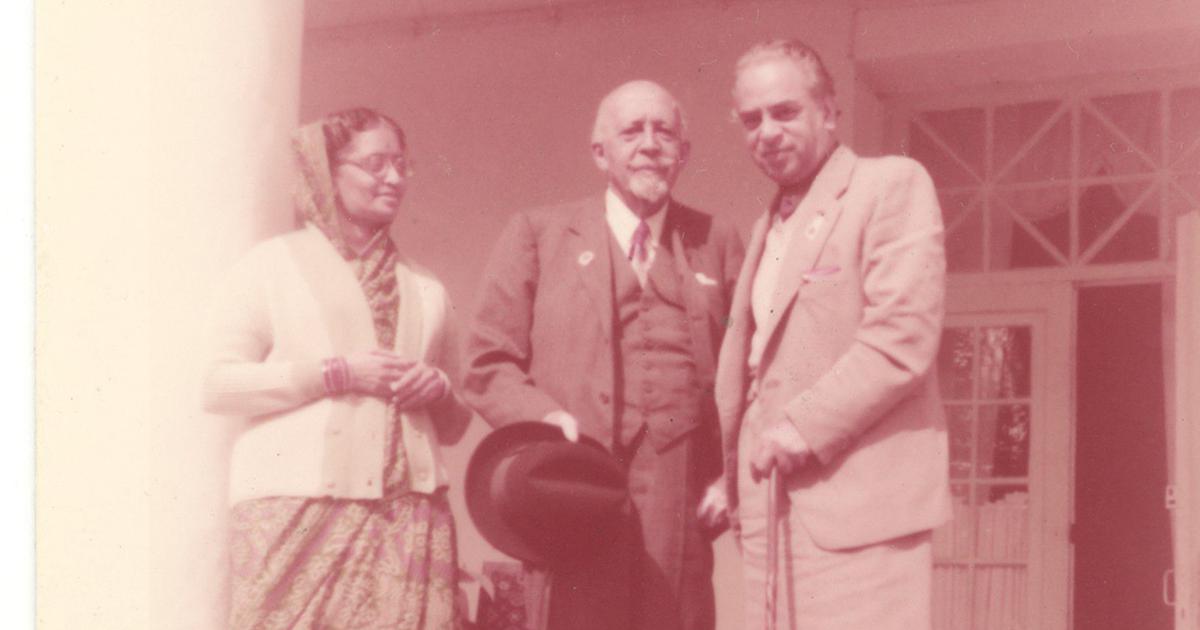
One of the iconic images from the inaugural Afro-Asian Writers Conference held in Tashkent captures an unforgettable moment in literary and political history. The photograph features two distinguished figures: Indian novelist Mulk Raj Anand and the esteemed American intellectual WEB Du Bois, who, at the age of 90, stood side by side, both dressed in formal suits and holding walking sticks. This moment of camaraderie symbolizes a profound anti-imperialist solidarity that marked a pivotal time in global politics.
WEB Du Bois, a towering figure in the fight against colonialism and racial injustice, had a tumultuous relationship with the U.S. government. His passport had been seized just three years prior, preventing him from attending the influential Bandung Conference in 1955, which aimed to unite Asian and African nations against colonialism and promote solidarity among developing countries. Despite years of activism, Du Bois’s progressive views made him a target as Cold War tensions escalated, leading to his indictment as an “unregistered agent” of a foreign power. Though ultimately acquitted, the restrictions on his mobility showcased the grave implications of his political stance.
The Bandung Conference was a groundbreaking event that brought together leaders from several nations, including Indonesia’s Sukarno, India’s Jawaharlal Nehru, Ghana’s Kwame Nkrumah, and Egypt’s Gamal Abdel Nasser. This gathering was crucial in shaping the discourse around post-colonialism and laid the groundwork for the Non-Aligned Movement, which sought to establish a third path independent of the then-dominant Cold War blocs. Anand’s participation alongside Du Bois epitomized the spirit of collaboration between Indian and African intellectuals, reinforcing the shared struggles of their nations against imperialist forces.
For Anand, the presence of Du Bois at the Afro-Asian Writers Conference was a significant milestone. As a writer deeply engaged in social issues, Anand often challenged the societal norms of his time through his literary works, advocating for the rights and dignity of marginalized communities. His friendship with Du Bois was not just a personal connection but a reflection of a broader alliance between writers and thinkers committed to social change across borders.
The photograph from Tashkent remains a powerful reminder of the enduring bonds formed among writers and activists striving for justice and equality. It embodies a moment in history where voices from the Global South united to confront the pervasive challenges of colonialism and racism. As India continues to nurture its identity on the global stage, the legacy of such interactions between influential figures like Anand and Du Bois serves as a beacon for current and future generations of writers, activists, and leaders.