Andhra Pradesh Offers Monetary Incentives to Boost Birth Rates Amid Concerns of Declining Fertility
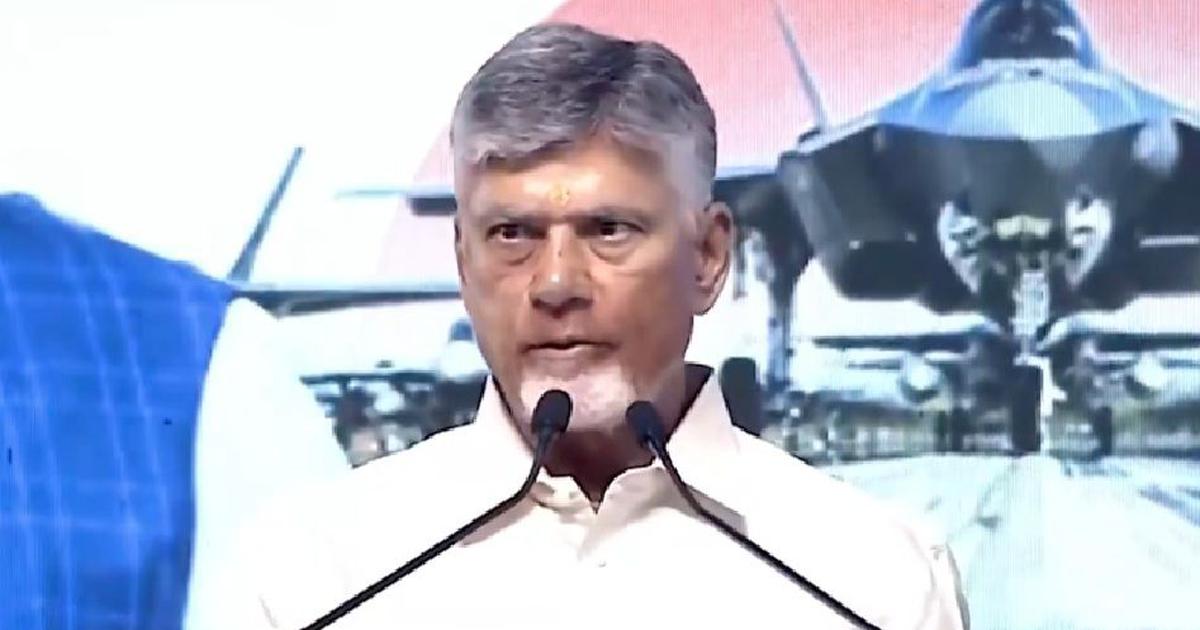
In a significant move aimed at reversing the declining birth rates in Andhra Pradesh, Chief Minister Chandrababu Naidu announced a new incentive scheme for families. During a public meeting in the Srikakulam district’s Narsannapeta, Naidu revealed that families will receive Rs 30,000 for the birth of a third child and Rs 40,000 for a fourth child. This initiative is part of the government’s broader strategy to encourage population growth in the state.
Naidu emphasized the urgency of addressing the demographic challenges faced by Andhra Pradesh, where the birth rate has been steadily declining. He stated, “The time has come for society to come together to work towards increasing our birth rates.” The Chief Minister’s remarks come against a backdrop of demographic shifts that could have long-term implications for the state, particularly with predictions indicating that by 2047, nearly 23% of the state’s population could be elderly if current fertility trends continue.
The announcement builds on a policy introduced earlier this year, where Naidu had offered a financial incentive of Rs 25,000 to couples welcoming a third child. He noted that approximately 58% of families in the state currently have only one child, while around 2.17 lakh families have two children. Moreover, there are about 62 lakh families with three or more children, showing a complex picture of family planning within the region.
Naidu cautioned that the declining Total Fertility Rate (TFR) could lead to a demographic imbalance and an ageing population, emphasizing the need for policies that foster larger families. The government plans to release more details about the new incentive program in the coming month, providing families with clear guidelines on how to apply for these benefits.
This initiative could also reflect broader socio-economic dynamics in India, where family planning policies often spark debates around cultural values, economic implications, and individual rights. As Andhra Pradesh grapples with its demographic challenges, the government’s approach may serve as a precedent for other states facing similar issues.