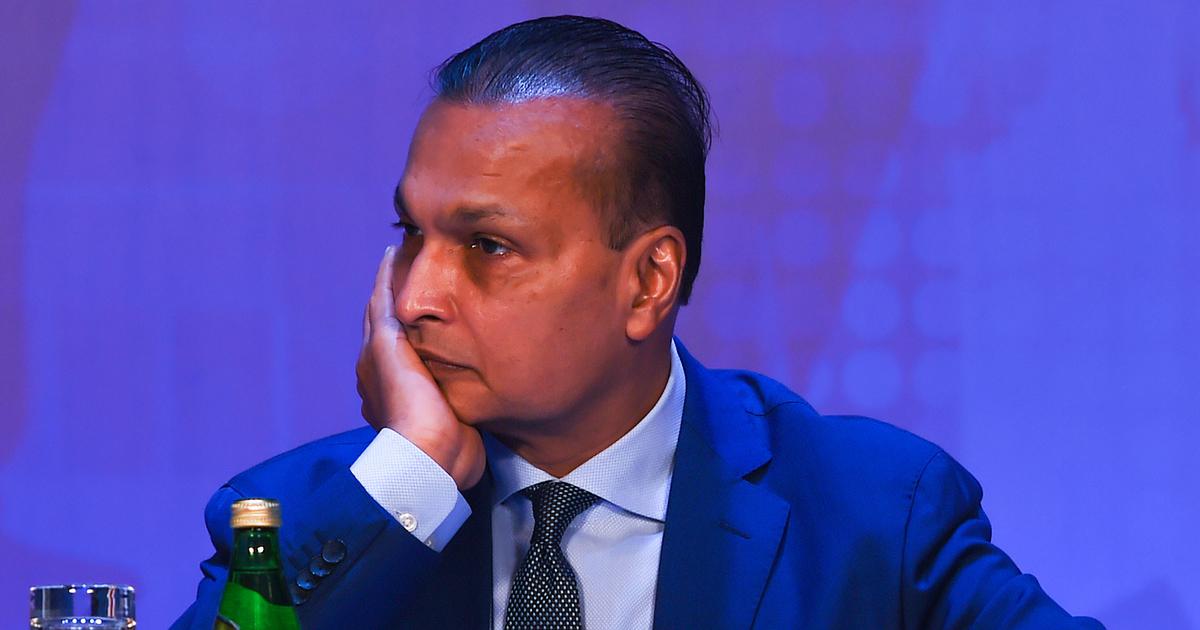
Anil Ambani Alleges NDTV’s Defamation Aims to Facilitate Adani Group’s Corporate Maneuvers
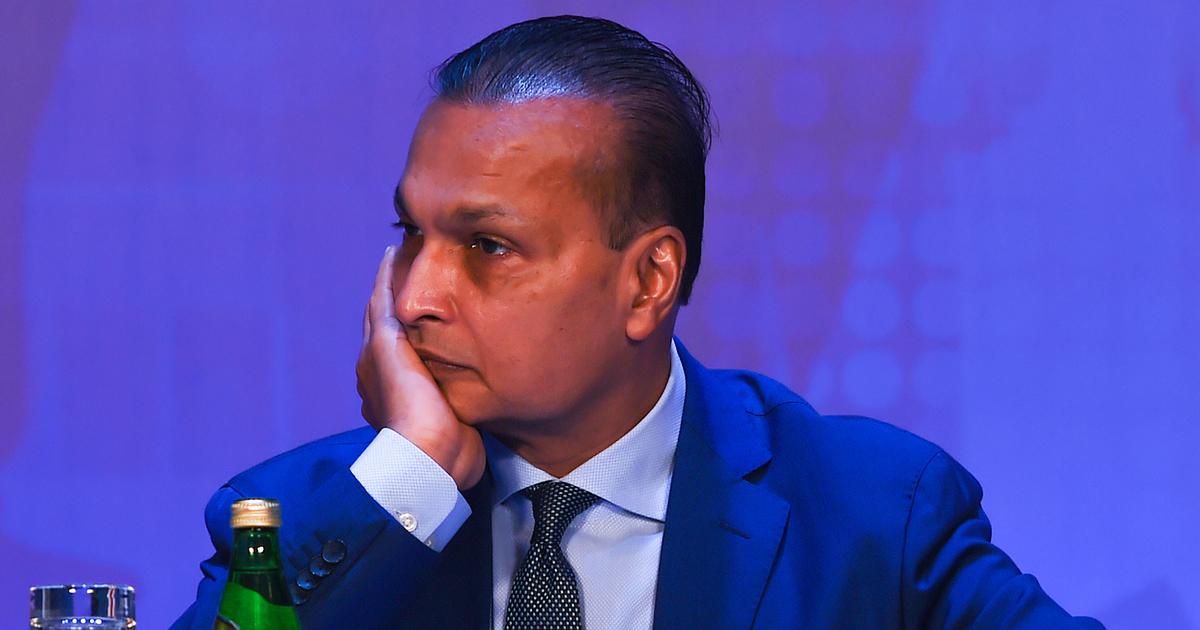
In a dramatic turn of events in the world of Indian business, Anil Ambani has accused the news channel NDTV of publishing defamatory articles that he claims are designed to assist the Adani Group in its alleged attempts to take over his companies. This assertion was made during a hearing at the Delhi High Court, where Ambani elaborated on the detrimental impact these reports have had on his business interests.
Ambani, who leads Reliance Group, contended that NDTV had circulated a staggering 72 reports targeting him in recent months, which he believes were part of a larger strategy by the Adani Group—headed by billionaire Gautam Adani—to undermine his business operations. According to Ambani, these articles aimed to instigate fear within financial markets, sway public opinion against his firms—Reliance Power and Reliance Infrastructure—and ultimately tip market sentiment in favor of the Adani Group.
During the court proceedings, Justice Subramonium Prasad heard Ambani’s defamation suit, which was directed not only at NDTV but also named its CEO and editor-in-chief, Rahul Kanwal. The lawsuit highlights the increasing tension between two of India’s most influential business figures and their respective media entities. Ambani’s legal team stressed that NDTV’s reports consistently linked him personally to the legal troubles faced by his companies, especially during times when significant arrests were made.
The context of this dispute is further complicated by the fact that the Adani Group is reported to hold a majority stake in NDTV, raising questions about potential conflicts of interest in how news is reported. Ambani’s lawyer, Shri Venkatesh, argued vehemently in court, stating, “I am distinct from the entity [Reliance], and the individuals being arrested belong to that entity.” This statement underscores Ambani’s position that he should not be held accountable for the actions of the employees of his companies.
The situation has ignited discussions across business and media circles about the role of media in corporate affairs and the ethical implications of ownership in news reporting. With the Delhi High Court now involved, the outcome of this case could have significant ramifications for both the media landscape and corporate governance in India. As the legal battle unfolds, the focus remains on the implications of media narratives in shaping public perception and market dynamics.