




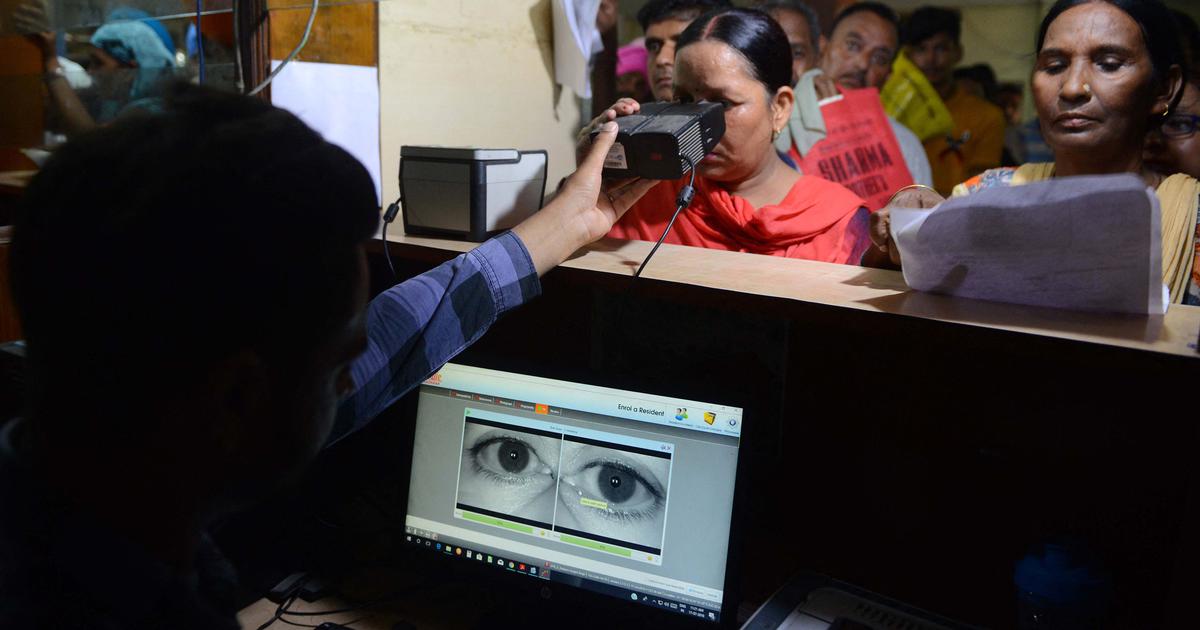
The Assam government has announced a significant policy shift aimed at curbing fraudulent Aadhaar enrollments, particularly in the context of undocumented immigrants. In a recent press briefing, Chief Minister Himanta Biswa Sarma revealed that the Cabinet has decided to suspend the issuance of new Aadhaar cards to individuals aged 18 and above.
This decision comes amid concerns that the enrolment figures in certain districts have exceeded the set targets, with some areas reporting Aadhaar issuance rates as high as 115%. “We have reached a saturation point with Aadhaar issuance in Assam, and there is a strong apprehension regarding who is receiving these cards,” Sarma stated. The Chief Minister emphasized the need to ensure that no illegal immigrants are able to exploit the Aadhaar system for their advantage.
Aadhaar, which is a 12-digit unique identification number provided to Indian residents by the Unique Identification Authority of India (UIDAI), is a crucial document that facilitates access to various government services. However, the state government’s latest decision reflects growing concerns over the integrity of the Aadhaar database, particularly in a state where the issue of illegal immigration has been contentious.
While adults will no longer be eligible for new Aadhaar cards, the Cabinet has stated that minors will still be able to obtain these documents. Additionally, there are exceptions for members of Scheduled Tribes and the tea garden community, who will have until March 31 to complete their enrolment. In instances where a genuine applicant wishes to acquire an Aadhaar card, a proposal must be submitted by the deputy commissioner and approved by the state government, ensuring that legitimate residents can navigate the new restrictions.
This policy change follows earlier announcements made by the Assam government in August, signaling a proactive approach toward tackling the challenges posed by illegal immigration. The decision has sparked a debate among various stakeholders, including political leaders, civil rights activists, and the general public, around the implications of restricting access to such a vital identification tool. The government asserts that the move is essential for maintaining the integrity of the Aadhaar system and protecting the rights of bona fide residents.

