




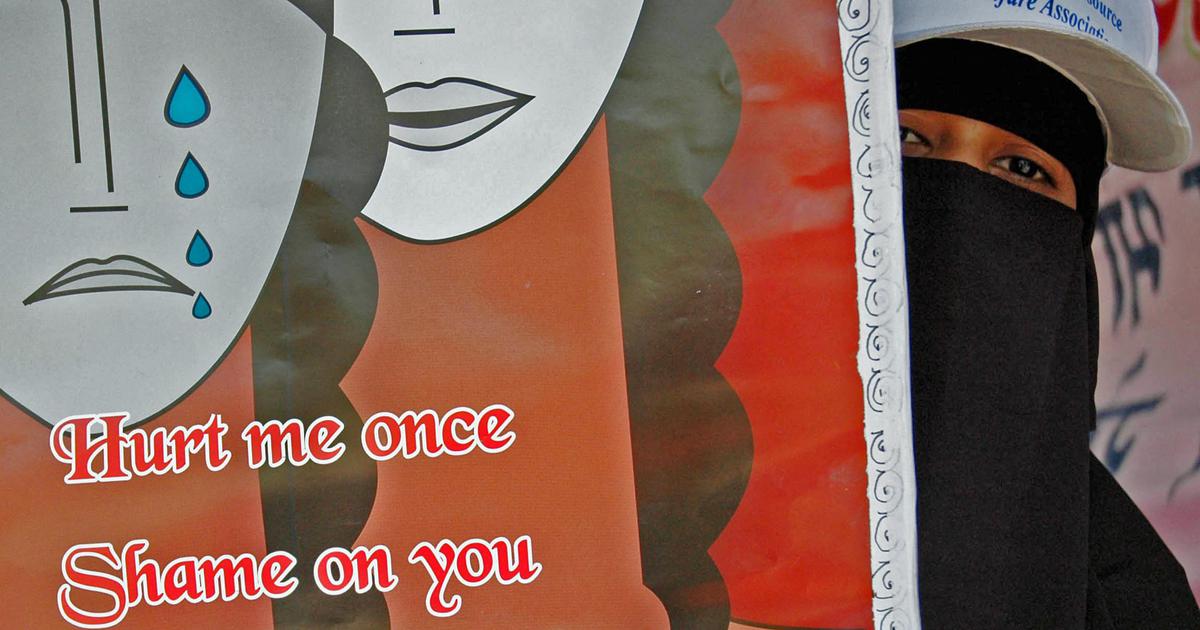
In the heart of urban India, the daily life of Ganga, a 31-year-old domestic worker, unfolds with the rhythmic predictability of a well-rehearsed routine. Her day begins at the crack of dawn, as she prepares breakfast and packs lunch for her young children, aged six and eight. After dropping them off at school, she sets out for a long day at work. By the time she returns home, exhaustion weighs heavily on her, yet she’s met with the added burden of preparing dinner for her family.
However, Ganga’s home is not a sanctuary; it is a battleground. Her husband, often under the influence of alcohol, resorts to physical violence, marking their nights with fear and pain. Despite the scars left on her body and spirit, Ganga has never reported these incidents to the police nor sought assistance from community organizations. Instead, she deflects her trauma with laughter to friends and colleagues, who are unaware of the severity of her situation.
Once, a social health activist, known as ASHA, intervened during one of her husband’s violent episodes, but the support did not lead to any significant change in her circumstances. Ganga articulates her resignation: “I don’t expect any community or legal support. Not even my parents will help me.” As a caregiver for an elderly woman, she earns a modest income of Rs 12,000 per month, with occasional additional earnings from nearby domestic work. Every rupee she makes goes towards her children’s education and basic groceries, leaving little margin for herself.
Statistics reveal that cases of cruelty inflicted by husbands or relatives account for nearly 27% of domestic violence reports in India. Yet, many like Ganga remain trapped in silence, bound by societal norms and the stigma surrounding domestic abuse. There exists a pervasive culture that often trivializes such issues, leading victims to believe that their plight is a private matter unworthy of public attention. This cycle of abuse and silence perpetuates a regressive attitude towards gender equality that is deeply embedded in Indian society.
Despite progressive laws aimed at protecting women’s rights, many still find themselves isolated and powerless in the face of domestic violence. The reluctance to seek help stems from various factors including fear of retaliation, societal shame, and lack of faith in the legal system. Women like Ganga often feel that their struggles are invisible and that the barriers to escaping abuse are insurmountable.
As we delve into the narratives of women affected by domestic violence, it becomes clear that a multifaceted approach is needed to address the underlying issues. Empowering women with education, creating awareness about legal rights, and fostering community support systems are critical steps toward breaking the silence surrounding domestic abuse. It is only through collective efforts that we can hope to lay the groundwork for a society that prioritizes gender equality and protects its most vulnerable members.

