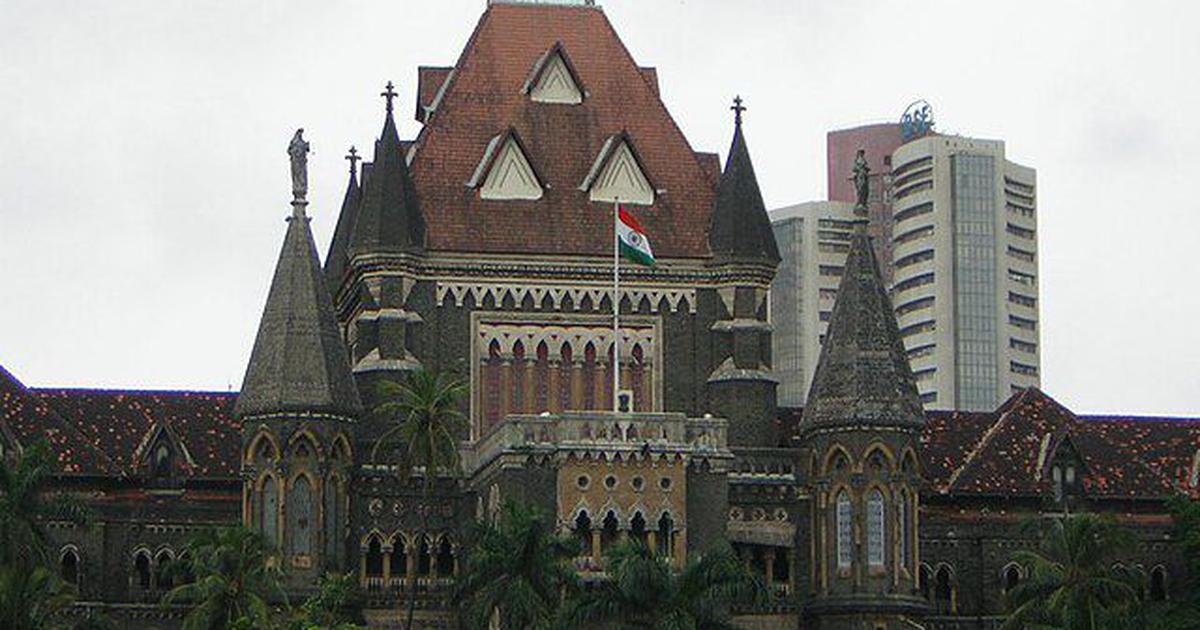
The Bombay High Court has made a significant ruling by granting bail to Sharad Kalaskar, one of the convicted individuals in the notorious murder case of anti-superstition advocate Narendra Dabholkar. This decision, which transpired on Wednesday, has sparked discussions about the legal intricacies of the case and the implications of such a ruling on the fight against superstition in India.
Kalaskar, along with his accomplice Sachin Andure, was convicted in May 2024 for the assassination of Dabholkar, who was tragically shot dead in Pune in August 2013. The court’s decision to release Kalaskar on bail came after Justices Ajay Gadkari and Ranjitsinha Bhonsale expressed skepticism about the evidence identifying him as one of the assailants. The judges are currently awaiting a detailed order that will further elucidate the reasons behind their ruling.
As the founder of the Maharashtra Andhashraddha Nirmoolan Samiti, Dabholkar was a prominent figure in the movement against superstition and blind faith in India. His murder not only shocked the nation but also raised concerns about the safety of activists who challenge deep-rooted societal beliefs. The case against Kalaskar and Andure had been relatively swift, concluding in a special court after nearly three years of trial. However, it also led to the acquittal of two other accused, Virendrasingh Tawade and Vikram Bhave, which has triggered an appeal from Dabholkar’s daughter, seeking to contest their exoneration in the High Court.
In the latest development, Kalaskar’s appeal against both his conviction and the request for bail were granted by the High Court, which mandated a bail bond of Rs 50,000. Interestingly, the Central Bureau of Investigation (CBI), which is still probing the case, had sought to delay the bail order for four weeks but was denied by the judges. This move has reignited debate over the effectiveness of ongoing investigations and raises questions about the robustness of the evidence originally presented in the trial.
Dabholkar’s assassination remains emblematic of the broader challenges faced by social reformers in India, highlighting how deeply ingrained beliefs can often lead to violence against those who challenge the status quo. The ruling has reignited discussions on the safety of activists and the need for stronger protections in the face of growing intolerance towards dissenting voices. As the case continues to evolve, it serves as a reminder of the ongoing battle against superstition and the importance of legal frameworks in safeguarding the rights of individuals who dare to speak out.