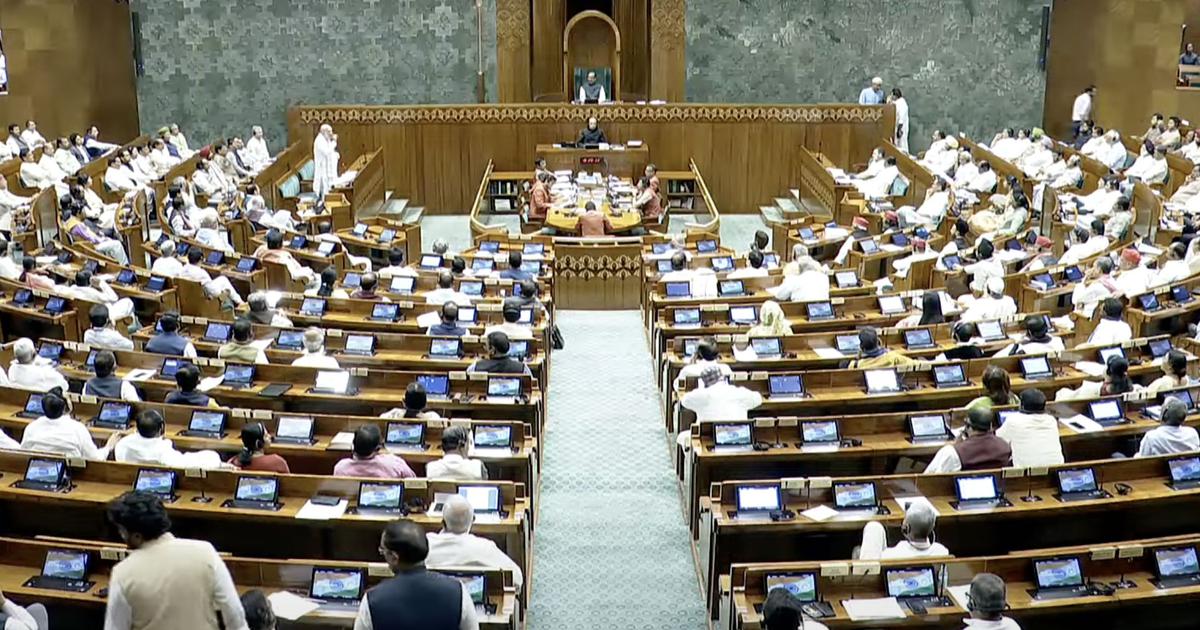
In a significant political development just days before a special parliamentary session, the Indian government has put forth three key bills aimed at altering the political landscape of the country. These proposed legislations, if passed, will lead to a redrawing of political constituencies based on the population data obtained from the 2011 census. This substantial move has stirred discussions across various platforms given its potential implications for representation in the Lok Sabha, India’s lower house of Parliament.
The crux of the proposal lies in the Constitution 131st Amendment Bill, which aims to enhance the strength of the Lok Sabha from the current 543 seats to a new total of 850. This initiative is rooted in a desire to amend Article 82 of the Constitution, thereby lifting the long-standing freeze on Lok Sabha seats that was based on the 1971 census. This amendment means that the Parliament will have the authority to determine which census will be used as a reference for delimitation, based on a simple majority vote.
Currently, the 2026 Delimitation Bill does not specify which census will be utilized. However, government officials have indicated that it will rely on the “latest published census,” which in this case refers to the 2011 enumeration. This decision raises concerns about representation inequities, particularly as it is expected to disadvantage states in the south, where population growth has been relatively slower compared to northern counterparts.
Furthermore, the proposed amendments also touch on the 2023 Women’s Reservation Act, which aims to ensure that a certain percentage of seats in the Lok Sabha and state legislative assemblies are reserved for women. This is a crucial step forward in promoting gender equality in Indian politics, but how this will interact with the changing landscape created by the new census-based delimitation remains to be seen.
Critics of the bill argue that the shift towards using the 2011 census data is not reflective of the current demographic realities of the country, especially as population dynamics continue to evolve. While some states have seen significant population growth, others have stabilized or even witnessed declines, leading to a complex situation regarding equitable representation. The implications of such a move could lead to a dilution of political power in states that have effectively managed their population growth.
As the government gears up for this critical parliamentary session, the political ramifications of these proposed changes are sure to be a focal point of debate. With deep-seated implications for political representation, the outcome of this legislative proposal will be closely monitored by political analysts, stakeholders, and citizens alike, as it has the potential to reshape the political landscape of India for years to come.