In the realm of creativity, many people believe that true originality stems from unbounded freedom. However, the acclaimed role-playing game Dungeons and Dragons (D&D) offers a contrasting perspective. By restricting players to a defined set of races, classes, and backgrounds, D&D orchestrates a fascinating phenomenon: the creation of uniquely distinct characters. For instance, while a half-elf paladin might be a familiar archetype, every player’s interpretation varies widely, providing a personalized experience that transcends the limitations of the game’s framework.
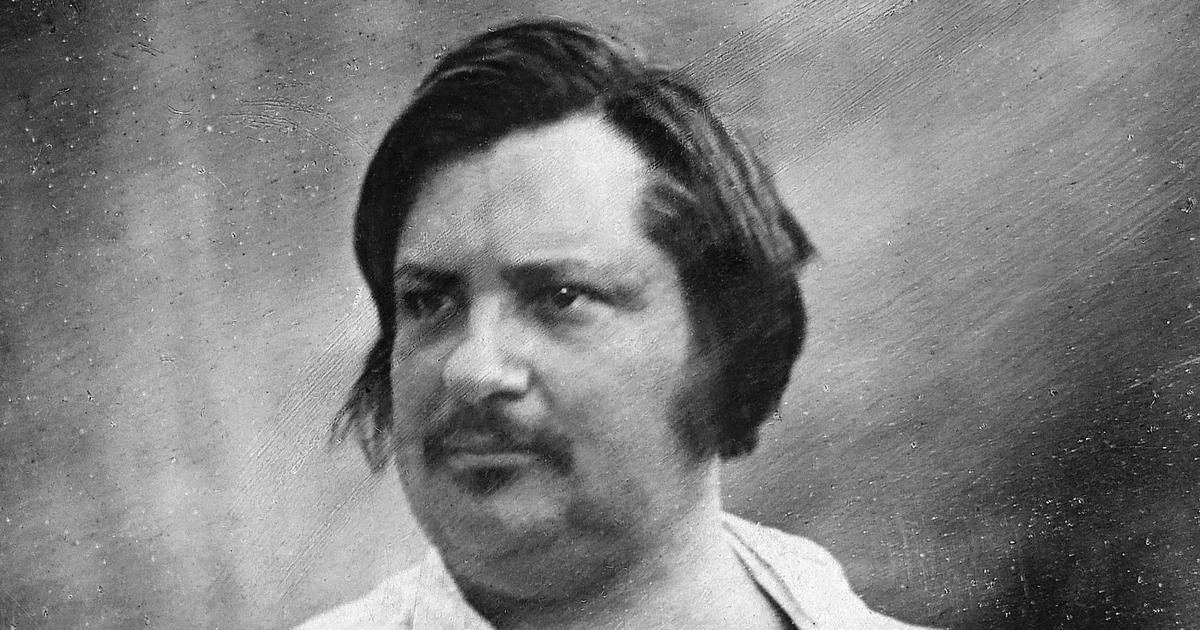
This concept resonates strongly with the literary works of the 19th-century French novelist Honoré de Balzac. His monumental literary endeavor, The Human Comedy (1829–1848), employs a similar strategy. Although the narrative is populated with a finite array of social archetypes that appear across almost a hundred novels and stories, Balzac’s characters consistently manage to come alive with depth and individuality.
Among his recurring characters are a variety of social types, such as provincial newcomers trying to acclimate to Parisian life, ambitious individuals eager for social elevation, and journalists willing to compromise their ethics for fame. There are also figures like dandies who project elegance but harbor insecurities, courtesans wielding their intimate connections for power, and risk-takers in the world of finance. Each of these characters, while fitting a recognizable mold, unfolds in ways that defy simplistic categorization, displaying the rich nuances of human behavior.
Balzac’s ability to blend the individual with the universal allows readers of diverse backgrounds to connect with his characters. For instance, the story of Father Goriot, a provincial man in Paris, touches on themes of ambition, sacrifice, and the quest for acceptance. Similarly, the struggles of a thirty-year-old woman seeking to break free from the monotony of provincial life resonate with modern readers, reflecting timeless issues of identity and aspiration.
Interestingly, the intricate landscapes of D&D and Balzac’s narrative world share a fundamental principle: the exploration of identity thrives within constraints. In both scenarios, the limitations serve not as a hindrance, but as a catalyst for creativity and originality. Thus, rather than viewing structure as a barrier, players and readers alike can appreciate how it can foster unique storytelling and character development.
In conclusion, drawing parallels between Dungeons and Dragons and Balzac’s literary legacy offers a fresh lens through which to explore creativity. It reminds us that within defined boundaries, whether in a game or in literature, the possibilities for character and narrative richness are virtually limitless. This understanding not only enhances our appreciation for Balzac’s work but also encourages a deeper engagement with creativity in all its forms. As we navigate our own stories, perhaps we can find inspiration in the structured frameworks that allow our unique identities to shine.