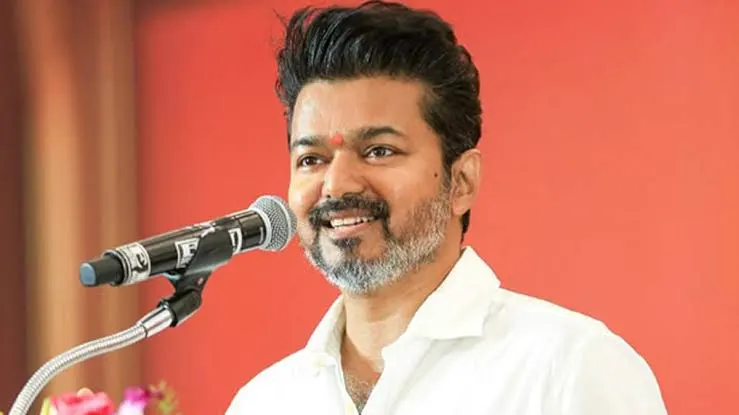
Tamil Nadu’s political landscape has long witnessed a close connection between cinema and public leadership. Over the decades, several film personalities have successfully entered politics, turning fan support into political influence and electoral success. With actor Vijay’s recent political entry, discussions around the relationship between cinema popularity and governance have once again gained attention across the country.
Political observers note that cinema has historically played a significant role in shaping public opinion in Tamil Nadu. Film dialogues, screen image, and fan associations have often contributed to the rise of influential public figures. Supporters believe that popular actors possess strong communication skills and mass appeal, which can help them connect effectively with people.
At the same time, some analysts argue that electoral popularity alone may not automatically translate into administrative experience. Governance involves handling complex issues such as economic policy, employment, infrastructure, healthcare, education, water management, and law and order. These responsibilities require long-term planning, institutional coordination, and policy understanding.
Vijay’s political entry is therefore being viewed by many as more than the launch of a new political party. It is also being seen as a broader public discussion about leadership, democratic choice, and the evolving role of celebrity influence in politics.
Supporters of actor-politicians often point out that democratic systems allow citizens to choose leaders from different professional backgrounds, including cinema, business, sports, or social activism. They argue that public support itself reflects democratic acceptance and that leadership capability can only be judged through actual governance and public performance.
Meanwhile, critics believe voters should carefully evaluate political experience, administrative understanding, policy vision, and organisational work before supporting any leader, regardless of popularity or public image.
Political analysts also observe that different South Indian states have developed distinct political cultures. In some states, mass popularity from cinema has translated into electoral success more directly, while in others, political leadership has traditionally emerged through long-term organisational and grassroots political work.
Experts further note that social media and modern communication platforms have increased the importance of public image in politics. As a result, political branding, digital outreach, and perception management now play a major role in shaping public opinion alongside traditional political campaigning.
Ultimately, the debate surrounding cinema and politics reflects a larger democratic question: what qualities should define political leadership in modern India? While popularity may help leaders connect with voters, governance is ultimately judged through public administration, policy decisions, accountability, and long-term development outcomes.
As Tamil Nadu’s political environment continues to evolve, voters will play the central role in determining how celebrity influence and democratic leadership intersect in the years ahead.