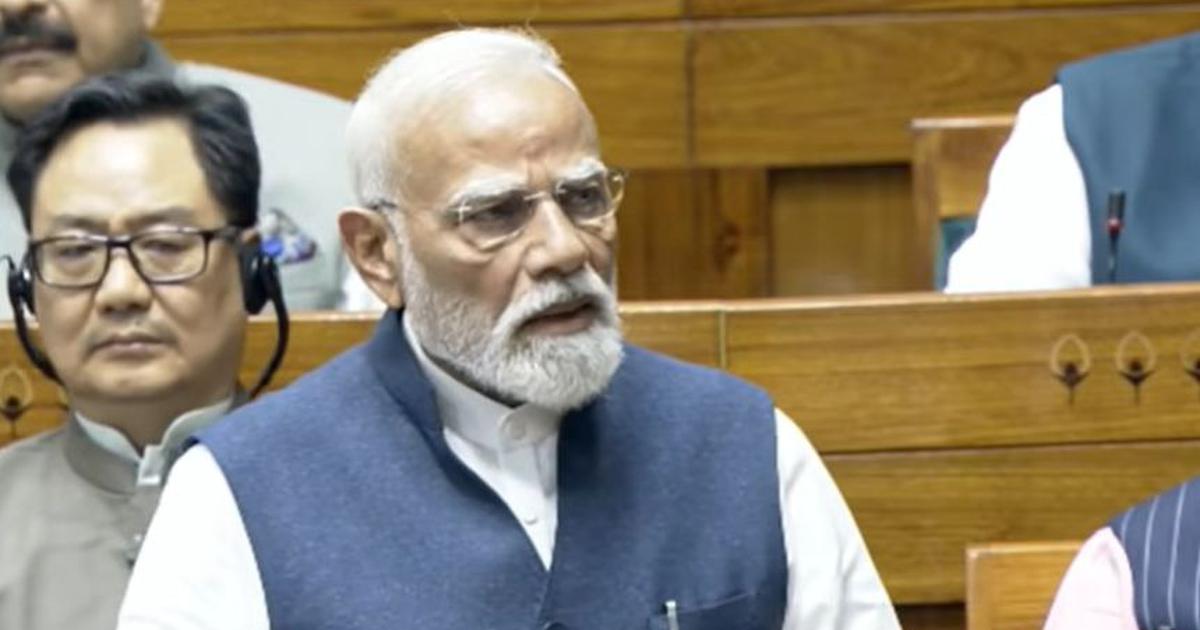
In a significant political move, Congress Member of Parliament TN Prathapan has lodged a petition in the Supreme Court, contesting Prime Minister Narendra Modi’s televised address to the nation on April 18. The address, which was broadcasted by the public service broadcaster Doordarshan, is alleged to have breached the Model Code of Conduct, particularly during a crucial election period.
The petition asserts that the Prime Minister’s speech misused government-controlled television platforms to undermine opposition parties. Prathapan pointed out that the live telecast on Doordarshan and Sansad TV, both funded by taxpayers and under government control, raises serious ethical concerns. The legal implications of utilizing state resources for political advantage during elections have been a contentious topic in Indian politics.
During his address, Modi criticized opposition parties for their role in blocking the Union government’s attempt to amend the 2023 Women’s Reservation Act and for the recalibration of electoral constituency boundaries. This amendment, introduced as part of the 2026 Constitution 131st Amendment Bill, was recently defeated in the Lok Sabha, as it required a two-thirds majority to pass. However, the ruling National Democratic Alliance (NDA) lacks such a majority in either house of Parliament, necessitating support from opposition parties.
Modi’s remarks came shortly after the bill’s defeat, where he accused the opposition of obstructing the government’s legislative agenda aimed at empowering women through the reservation act. The Prime Minister’s comments have been interpreted as part of a broader strategy to rally public support against opposition parties, framing them as adversaries to women’s rights and representation.
The Supreme Court’s response to Prathapan’s petition could have significant ramifications for the upcoming elections and the political landscape in India. As the campaign heats up, allegations of breaches in election conduct will likely play a pivotal role in shaping public perception and electoral outcomes. With both major political parties navigating a charged atmosphere, the implications of the Supreme Court’s decision will be closely watched by political analysts and citizens alike.