Controversy Over AI-Generated Content: Hachette Withdraws ‘Shy Girl’ Horror Novel Amid Ethical Concerns
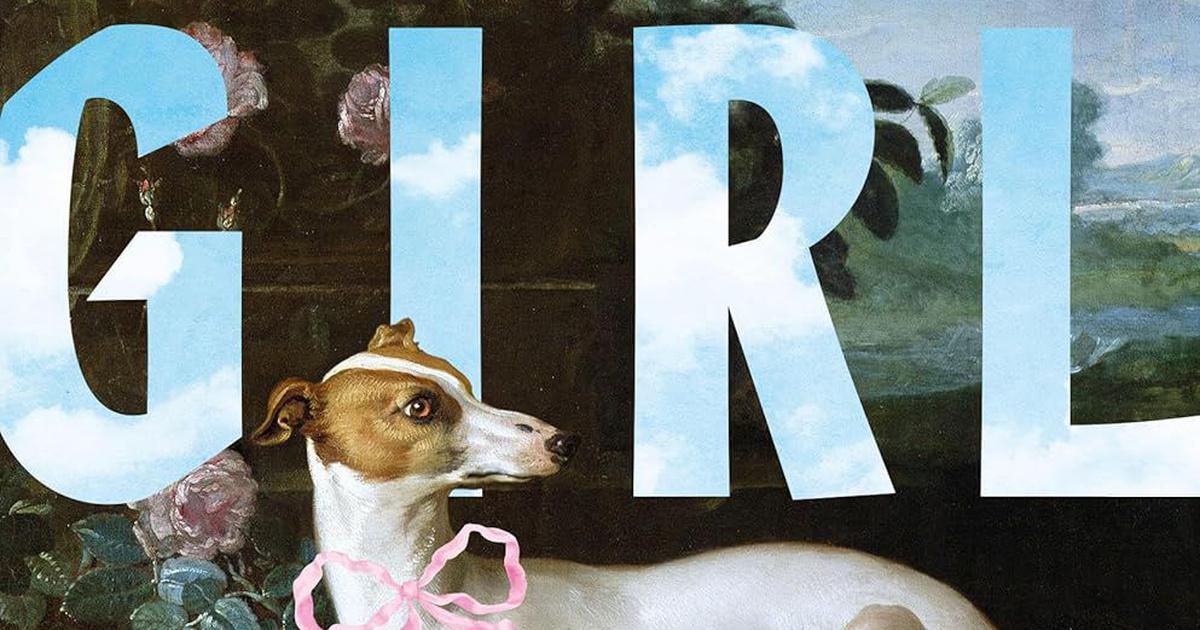
In a striking turn of events, one of the largest book publishing houses in the United States, Hachette Book Group, has decided to withdraw the release of the horror novel ‘Shy Girl’ by Mia Ballard, following allegations that the manuscript may have been generated using artificial intelligence. This decision raises critical questions about the implications of AI in the creative field and its potential to disrupt traditional publishing norms.
The decision to pull ‘Shy Girl’ from publication came after The New York Times reported that evidence suggesting the novel might have been written by AI was presented to Hachette. Consequently, the publisher’s imprint, Orbit, announced that the book would no longer be released in both the US and UK markets. The plot centers around Gia, a young woman grappling with loneliness, financial struggles, and obsessive-compulsive disorder. Her life takes a dark turn when she meets a rich and enigmatic man who offers to erase her debts in exchange for her submission as his ‘devoted pet.’ The narrative delves into themes of captivity and loss of identity, raising questions about societal norms and human relationships.
Mia Ballard, in a candid email to The New York Times, described the fallout from this controversy as life-altering and expressed concern over her mental health, which she states is currently at an all-time low. While Ballard has firmly denied using AI herself to pen the novel, she did admit that a freelancer she employed for an earlier self-published iteration may have incorporated AI tools into the writing process. This admission adds another layer of complexity to the discussion around AI’s role in literature.
The backlash against AI-generated content is multifaceted, with critics voicing concerns ranging from ethical to environmental implications. Many writers and readers argue that the use of AI undermines the artistry and authenticity of literature, with fears that it might cultivate a climate of distrust within the writing community. As the debate continues, it’s clear that the relationship between technology and creativity is becoming increasingly strained, forcing authors and publishers alike to reevaluate their ethical responsibilities.
In India, where literature and storytelling have deep cultural roots, the introduction of AI in the creative sector could have significant implications. Indian authors, who often draw from rich traditions and personal experiences, may find the integration of AI tools to be a double-edged sword. While technology can enhance the writing process, it also risks diluting the uniqueness of individual storytelling. As the literary world grapples with these challenges, it remains to be seen how the industry will adapt to preserve the sanctity of creative expression without compromising on innovation.