CPI (M-L) Challenges West Bengal’s Restrictions on Animal Sacrifice in Calcutta High Court
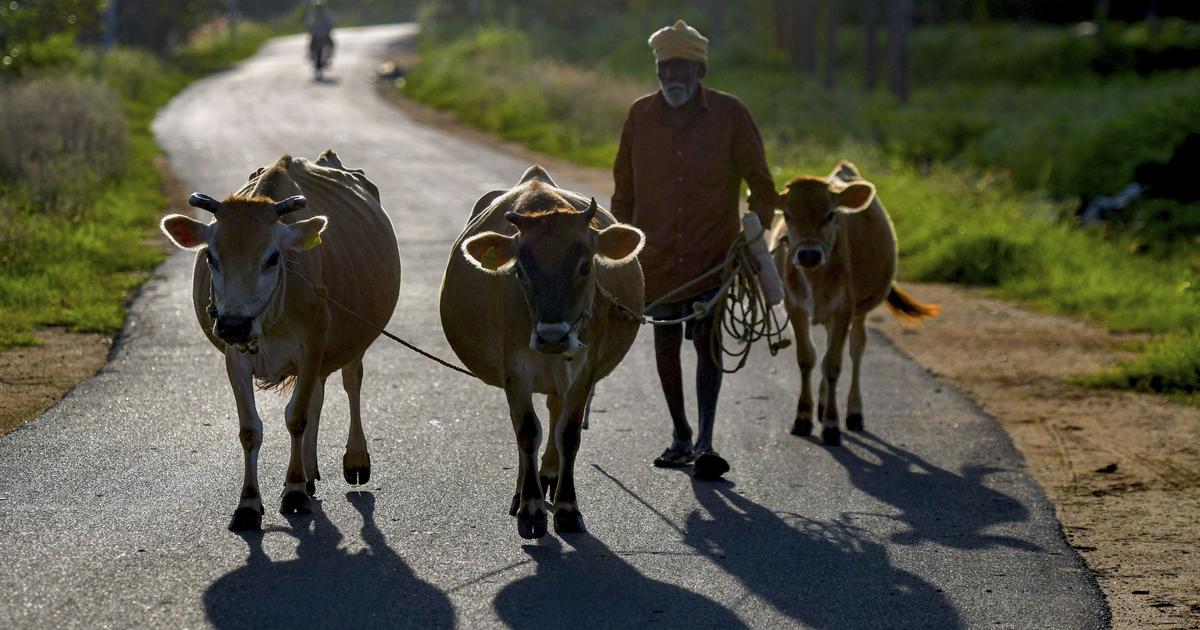
The Communist Party of India (Marxist–Leninist) Liberation has taken a significant step by challenging the West Bengal government’s recent restrictions on animal slaughter in the Calcutta High Court. The government’s decision, spearheaded by the Bharatiya Janata Party and announced shortly after assuming power on May 4, aims to strictly enforce provisions from the 1950 Animal Slaughter Control Act. This move has raised concerns among various groups who view it as an attempt to impose restrictions on ritualistic sacrifices of livestock.
Under the newly enforced regulations, individuals must obtain a certificate before proceeding with the slaughter of animals such as buffaloes, cows, and bulls. This requirement presents an additional layer of bureaucracy, as the certificate must be issued jointly by the chairperson of a local municipal body or a village head (sarpanch), along with a government veterinary doctor. The document must verify that the animals are deemed suitable for slaughter, specifically indicating that they are over 14 years old or are otherwise unfit for work or breeding due to age, injury, or illness.
The new order explicitly prohibits public slaughter of these animals and mandates that government officials conducting inspections are to be granted unhindered access to ensure compliance. Unlike previous regulations, this directive does not allow exemptions for slaughter for religious, medicinal, or research purposes, a stipulation that has sparked outrage among communities that engage in ritual sacrifices, especially with the upcoming celebration of Bakrid on May 27.
Many observers believe that these restrictions disproportionately target certain religious practices, stirring up debates about cultural rights and animal welfare in the state. The CPI (M-L) argues that the government’s actions are an overreach that not only infringes on religious freedoms but also constitutes an unwarranted interference in traditional practices. As the hearing unfolds in the Calcutta High Court, the attention of various social, political, and religious groups will be keenly focused on the outcome, which could set a precedent for the future of animal rights and religious freedoms in West Bengal and beyond.
As the state navigates this complex intersection of governance, culture, and religious practices, the implications of this legal battle will likely resonate far beyond its immediate context. The ongoing discourse on animal rights, cultural identity, and governmental authority continues to shape the socio-political landscape of India, reflecting the broader tensions within its diverse society.