HIV/AIDS and Sexually Transmitted Diseases (STDs): Facts, Reality, and Awareness
HIV/AIDS and other sexually transmitted diseases (STDs), also known as sexually transmitted infections (STIs), remain major global public health challenges. Despite medical advancements, these diseases continue to affect millions of people each year, largely due to lack of awareness, stigma, and limited access to prevention and treatment.
⸻
Understanding HIV and AIDS
Human Immunodeficiency Virus (HIV) is a virus that attacks the body’s immune system, weakening its ability to fight infections. If untreated, it can progress to Acquired Immunodeficiency Syndrome (AIDS), the most advanced stage of the disease. 
Globally, around 40.8 million people were living with HIV in 2024, making it one of the most significant ongoing health issues worldwide. 
Although there is no complete cure yet, modern treatment allows people with HIV to live long and healthy lives.
⸻
What Are STDs (STIs)?
Sexually transmitted diseases are infections passed primarily through sexual contact. According to the World Health Organization:
• More than 1 million STIs are acquired every day worldwide
• In 2020 alone, there were about 374 million new infections of major STIs such as chlamydia, gonorrhoea, syphilis, and trichomoniasis 
Some STDs are curable, while others—like HIV—require lifelong management.
⸻
How HIV and STDs Spread
Scientific evidence shows that HIV and most STDs spread through:
• Unprotected sexual contact (vaginal, anal, or oral)
• Sharing contaminated needles or syringes
• Unsafe blood transfusions
• Mother-to-child transmission during pregnancy, childbirth, or breastfeeding 
It is important to note that HIV is not spread through casual contact like hugging, shaking hands, or sharing food.
⸻
Key Facts and Global Data
• Around 1.3 million people were newly infected with HIV in 2024 
• AIDS-related deaths have reduced by about 70% since 2004, due to better treatment 
• About 77% of people living with HIV are receiving treatment 
• Despite progress, hundreds of thousands still die annually from AIDS-related illnesses 
These figures show both progress and the continuing global burden.
⸻
Symptoms and Detection
HIV and many STDs may not show symptoms in the early stages. When symptoms do appear, they may include:
• Fever, fatigue, or flu-like illness
• Skin rashes or sores
• Pain during urination
• Unusual discharge
The only reliable way to know one’s status is through medical testing, as many infected individuals remain asymptomatic for long periods. 
⸻
Prevention: What Science Recommends
Medical research and global health organizations emphasize that HIV and STDs are largely preventable:
• Use condoms consistently and correctly
• Avoid sharing needles or sharp instruments
• Ensure safe blood transfusions
• Regular testing and early diagnosis
• Preventive medicines like PrEP and PEP for HIV 
Importantly, individuals on effective HIV treatment with suppressed viral load do not transmit the virus to their partners. 
⸻
Social Challenges: Stigma and Awareness
One of the biggest barriers in controlling HIV and STDs is social stigma. Fear, misinformation, and discrimination prevent many people from getting tested or seeking treatment.
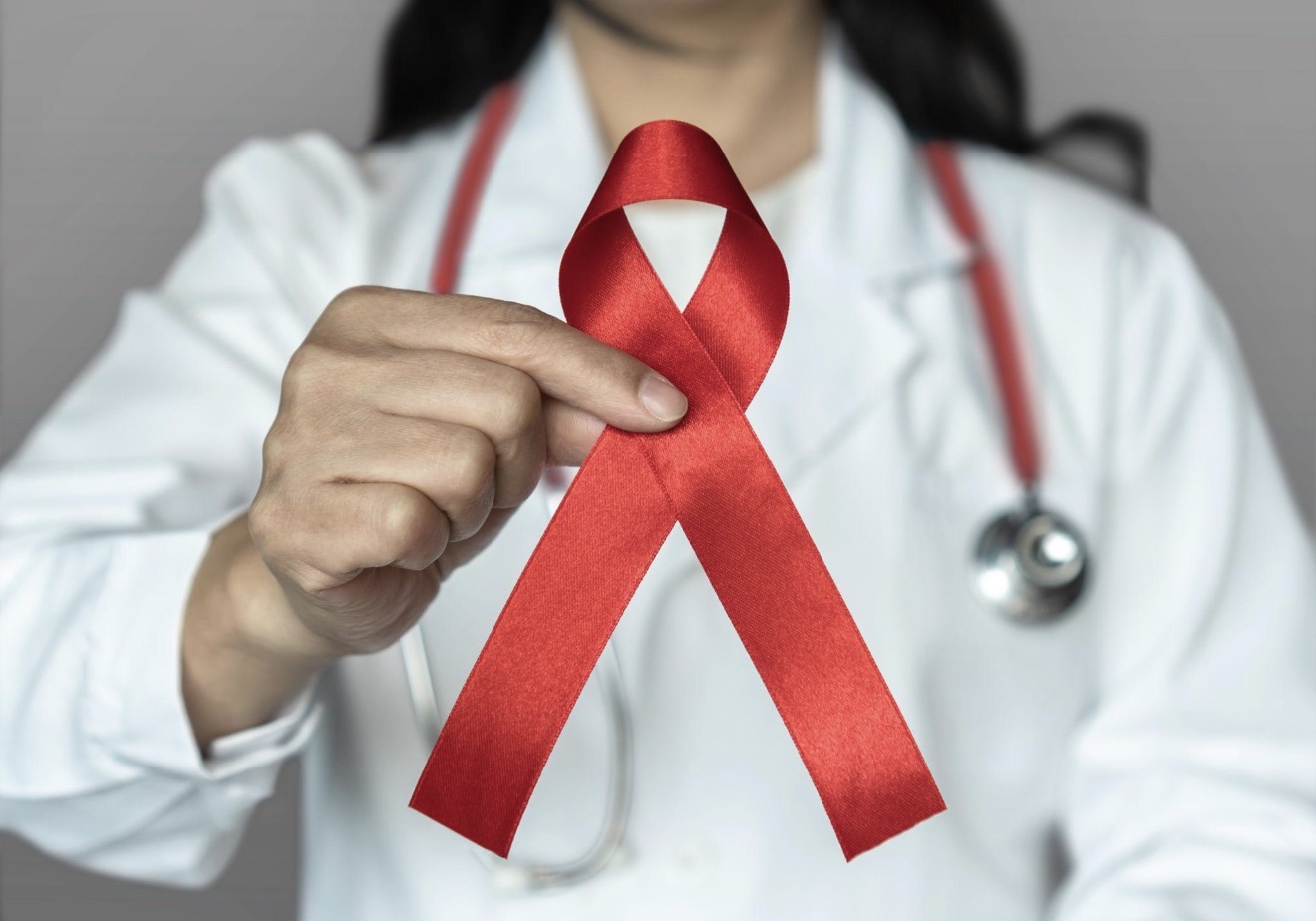
Global campaigns like World AIDS Day aim to spread awareness, reduce stigma, and promote early diagnosis and care.
⸻
The Way Forward
Scientific advancements—such as improved antiretroviral therapy and new preventive medicines—have transformed HIV from a fatal disease into a manageable condition. However, eliminating HIV and reducing STDs requires:
• Better education and awareness
• Increased access to healthcare
• Strong public health policies
• Community support and acceptance
⸻
Conclusion
HIV/AIDS and STDs are not just medical issues—they are social and educational challenges as well. The facts clearly show that while progress has been made, the fight is far from over. With accurate knowledge, preventive practices, and compassion, society can move closer to controlling and eventually ending these diseases.