Electronics in the Modern World
Electronics have become the backbone of modern civilization, shaping how people live, work, communicate, and think. From the smartphone in our pocket to complex satellite systems orbiting Earth, electronics influence nearly every aspect of daily life.
The Rise of Electronics
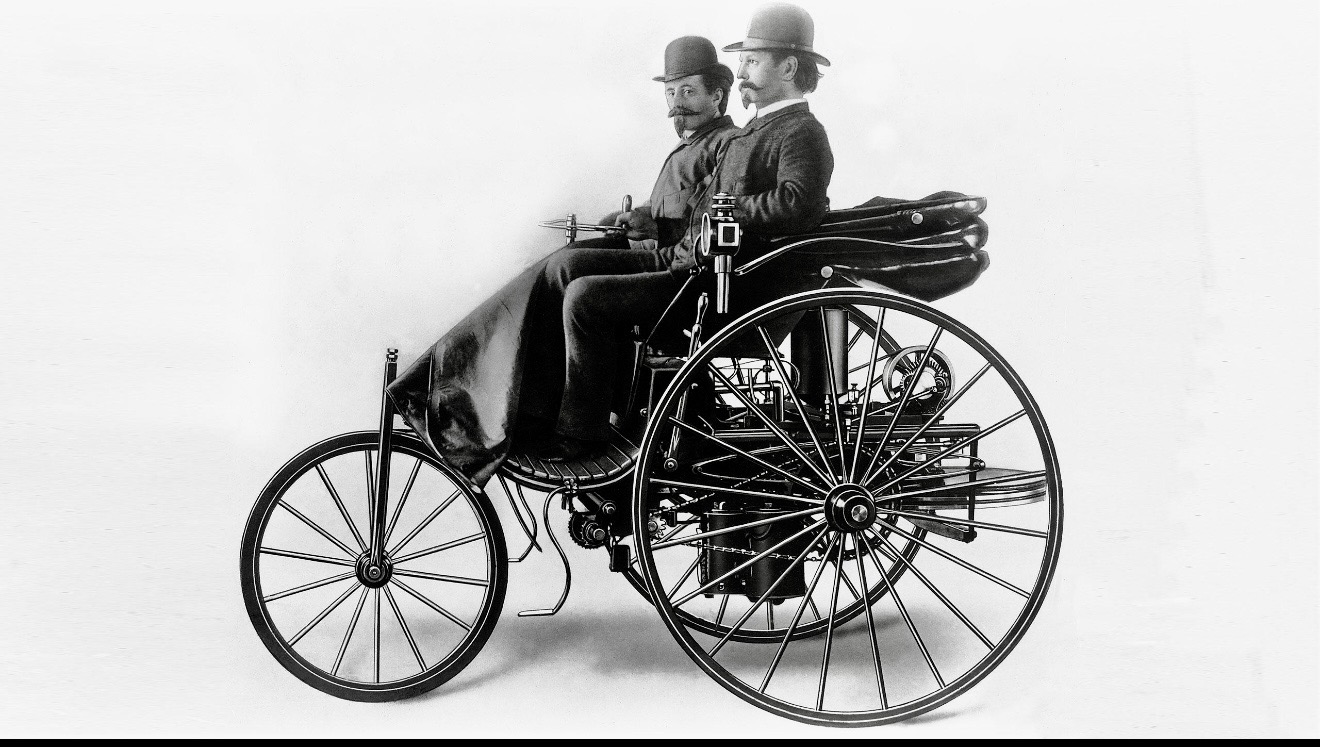
The journey of electronics began with simple inventions like the vacuum tube and evolved dramatically with the creation of the transistor in the 20th century. This tiny component revolutionized technology, leading to smaller, faster, and more efficient devices. Today, integrated circuits and microprocessors power everything from calculators to supercomputers.
Electronics in Daily Life
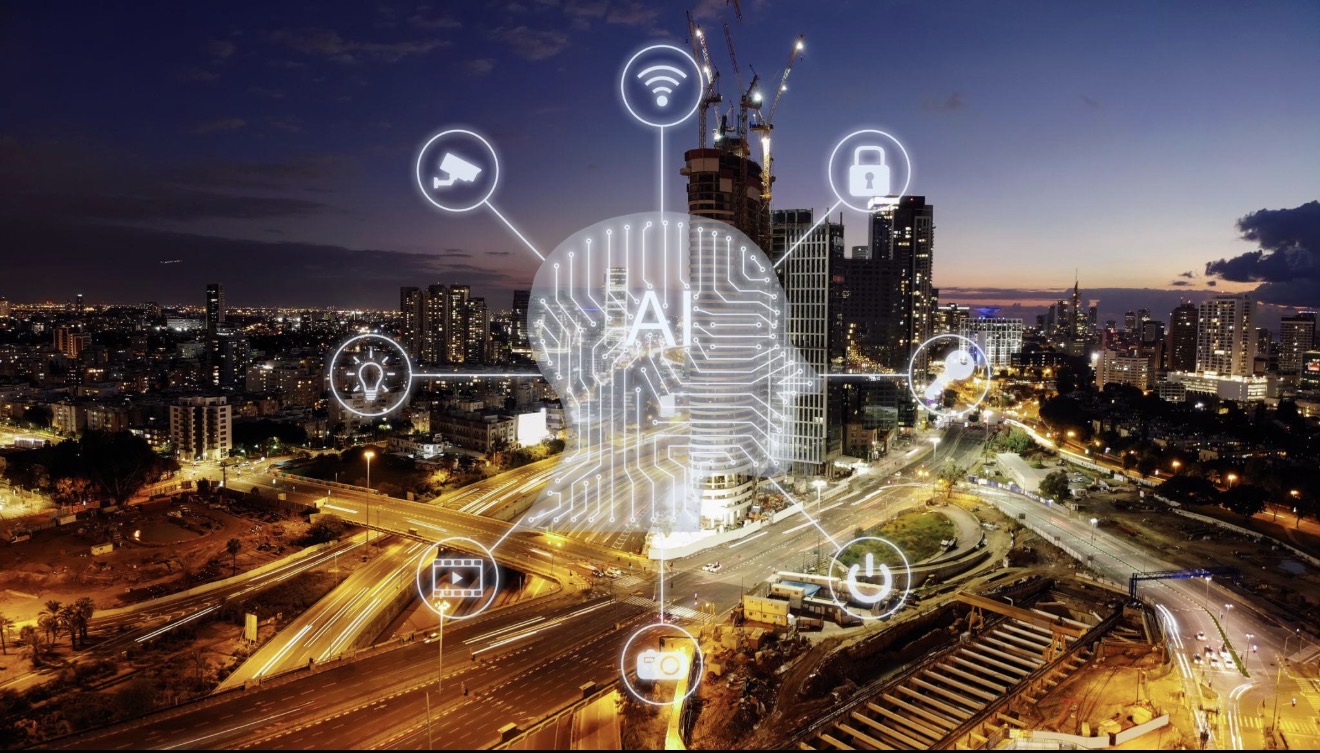
In the modern world, electronics are inseparable from routine life. Smartphones, laptops, televisions, and wearable devices help people stay connected, informed, and entertained. Smart home systems allow users to control lighting, security, and appliances remotely, making life more convenient and efficient.
Healthcare has also seen remarkable advancements due to electronics. Medical devices such as MRI scanners, pacemakers, and digital diagnostic tools have improved the accuracy of treatments and saved countless lives.
Communication and Connectivity
Electronics have transformed communication. The internet, powered by advanced electronic infrastructure, connects billions of people worldwide. Social media platforms, video conferencing tools, and instant messaging have made global communication instantaneous.
The emergence of 5G technology is further enhancing connectivity, enabling faster data transfer, reduced latency, and supporting innovations like autonomous vehicles and smart cities.
Industrial and Economic Impact
Electronics play a crucial role in industries such as manufacturing, transportation, and agriculture. Automation, robotics, and artificial intelligence (AI) systems increase productivity and reduce human error. Electronic trading systems and digital banking have transformed the global economy, making transactions faster and more secure.
Challenges of Modern Electronics
Despite their benefits, electronics also bring challenges. Electronic waste (e-waste) is a growing environmental concern, as discarded devices contribute to pollution. Additionally, increased screen time and digital dependency can affect mental and physical health.
Cybersecurity is another critical issue. As reliance on electronic systems grows, so does the risk of data breaches and cyberattacks.
The Future of Electronics
The future of electronics is driven by innovation. Technologies like artificial intelligence, the Internet of Things (IoT), quantum computing, and wearable tech are expected to redefine human experiences. Electronics will become more integrated into everyday objects, creating a seamless digital environment.
Sustainable electronics is also gaining attention, with efforts to design eco-friendly devices and improve recycling methods.
Conclusion
Electronics have transformed the modern world in profound ways, making life more connected, efficient, and innovative. While challenges exist, continued advancements promise a future where electronics will further enhance human potential and global development.