The Evolution of Cars: From Steam Dreams to Electric Reality
The automobile is one of humanity’s most transformative inventions. From slow, steam-powered machines to intelligent electric vehicles, the evolution of cars reflects innovation, ambition, and changing lifestyles across centuries.
⸻
1. The Birth of the Automobile (19th Century)
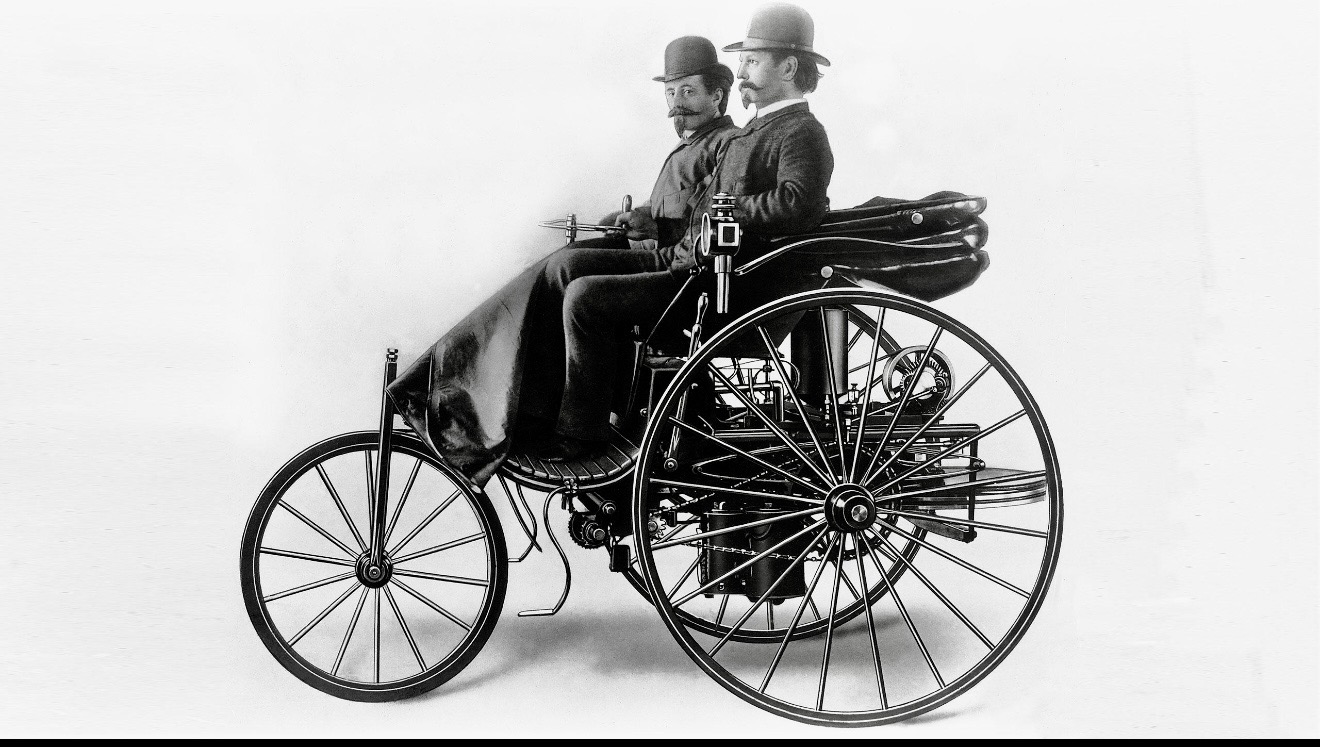
The journey began in the late 1800s when inventors experimented with self-propelled vehicles. The first practical automobile is widely credited to Karl Benz, who introduced the Benz Patent-Motorwagen in 1886.
These early cars were:
• Powered by internal combustion engines
• Slow and expensive
• Built for experimentation rather than mass use
They marked the beginning of personal transportation as we know it.
⸻
2. The Era of Mass Production (Early 20th Century)
Cars became accessible to the general public thanks to Henry Ford. His introduction of assembly line production revolutionized manufacturing.
The Ford Model T became the symbol of this era:
• Affordable for middle-class families
• Easy to repair
• Produced in millions
This period turned cars from luxury items into everyday necessities.
⸻
3. Style, Speed, and Innovation (1930s–1960s)
As technology improved, car design became more stylish and powerful. Automakers began focusing on:
• Aerodynamics
• Comfort and luxury
• Engine performance
The post-war era saw the rise of iconic designs and the birth of “muscle cars,” especially in the United States. Cars became a symbol of freedom and identity.
⸻
4. Safety and Efficiency (1970s–1990s)
The oil crises of the 1970s and growing safety concerns reshaped the industry.
Key developments included:
• Fuel-efficient vehicles
• Seat belts and airbags
• Emission control systems
Countries like Japan emerged as leaders in producing reliable and economical cars, changing global competition.
⸻
5. The Digital Revolution (2000s–2010s)
The 21st century brought electronics and computing into vehicles. Cars became smarter and more connected with features like:
• GPS navigation
• Touchscreen infotainment systems
• Advanced driver assistance systems (ADAS)
Driving was no longer just mechanical—it became digital.
⸻
6. The Rise of Electric Vehicles (Present & Future)
Today, the automotive industry is undergoing its biggest transformation yet with electric vehicles (EVs). Companies like Tesla have accelerated this shift.
Electric cars offer:
• Zero tailpipe emissions
• Lower running costs
• Quiet and smooth performance
Governments worldwide are promoting EV adoption to combat climate change and reduce dependence on fossil fuels.
⸻
7. Autonomous and Smart Mobility
The future of cars goes beyond electricity. Autonomous (self-driving) technology aims to:
• Reduce accidents
• Improve traffic efficiency
• Provide mobility for all
Cars are evolving into intelligent machines capable of making decisions, learning from data, and communicating with each other.
⸻
Conclusion
The evolution of cars is a story of continuous innovation—from the mechanical ingenuity of the 19th century to the digital intelligence of today. Each era has reshaped how we travel, live, and connect with the world.
As we move forward, the car is no longer just a machine—it is becoming a smart, sustainable companion for the journey ahead.