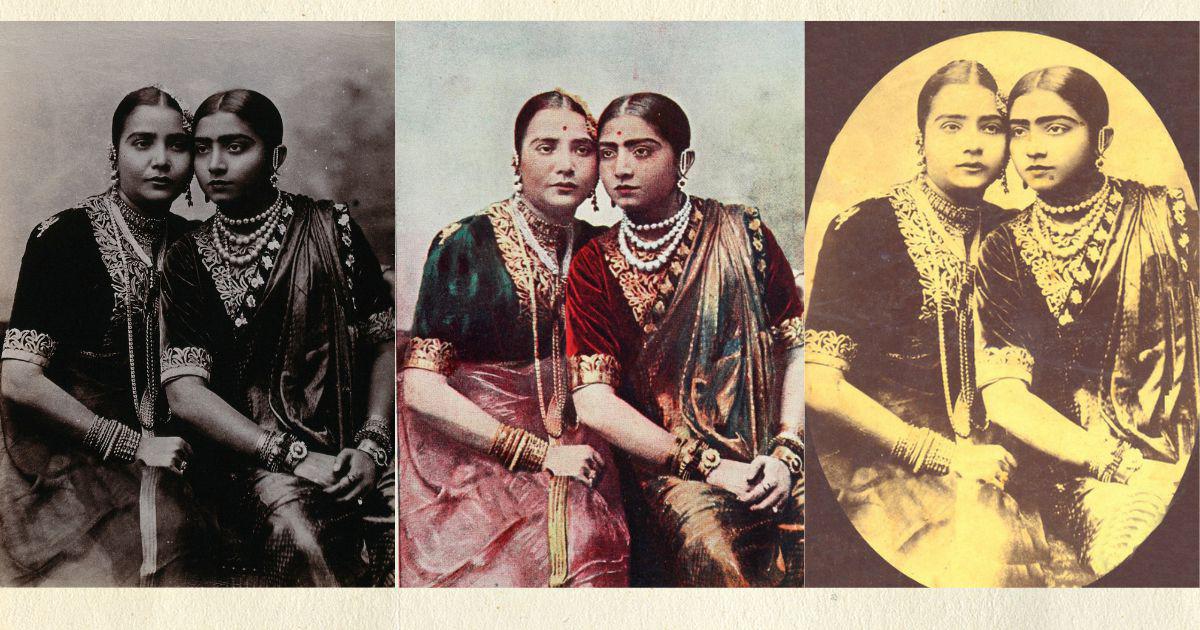
In a fascinating glimpse into the literary past, the life of Malka Jan, a celebrated courtesan and poet of the 19th century, emerges from the shadows of history. A poignant letter penned by the renowned poet Dagh Dehlvi in 1886 highlights her talents, particularly focusing on her piece titled ‘Na’ala e Malka’ or ‘Malka’s Lament.’ Dehlvi praised her exceptional skill with words, stating, ‘The attribute of your community is ink, and your principle, freedom.’ He described her masnavi as ‘unique in aspect – brimming with flirtation, conceived in English and worded in Hindustani.’ Yet, despite such acclaim, this particular work, along with many others, has sadly been lost to time.
The 19th century was a period that witnessed the rise of numerous women poets in Urdu, many of whom were tawaifs—courtesans who, despite their artistic prowess, often found their works overshadowed by their male counterparts. Esteemed poets like Ghalib, Zauq, and Dagh dominated the literary arena, leaving the voices of women poets largely unheard. The unfortunate reality is that the contributions of these talented women have not been preserved with the same fervor as those of their male peers. Instead, their verses faced the risk of being forgotten, a fate compounded by societal norms that often dismissed women’s literary achievements.
Adding to this narrative of loss is the stigma attached to women poets, who were frequently accused of having their poetry ghostwritten by their male admirers. This not only undermined their credibility but also perpetuated a narrative that diminished their artistic contributions. The few remnants of their work that have survived are primarily found in tazkiras—biographical collections that documented the lives and writings of these poets, preserving snippets of their literary brilliance.
Malka Jan’s own collection, ‘Makhazana e Ulfat e Malka’ or ‘Treasures of Malka’s Love,’ was published in 1886, yet its pages are now but whispers of a bygone era. In the expansive tapestry of Urdu literature, the vibrant threads woven by women like Malka Jan are tragically underrepresented. This calls for a broader recognition of their contributions and a concerted effort to revive their legacies.
As we delve deeper into India’s rich literary history, there is a pressing need to highlight the voices of these remarkable women. Their poetry, often infused with themes of love, longing, and the complexities of their experiences, offers invaluable insight into the societal dynamics of their time. By celebrating figures such as Malka Jan, we not only honor their legacy but also enrich our understanding of the cultural landscape that shaped modern Indian literature. It’s high time we bring forth these lost verses and give due recognition to the unsung heroines of Urdu poetry.